

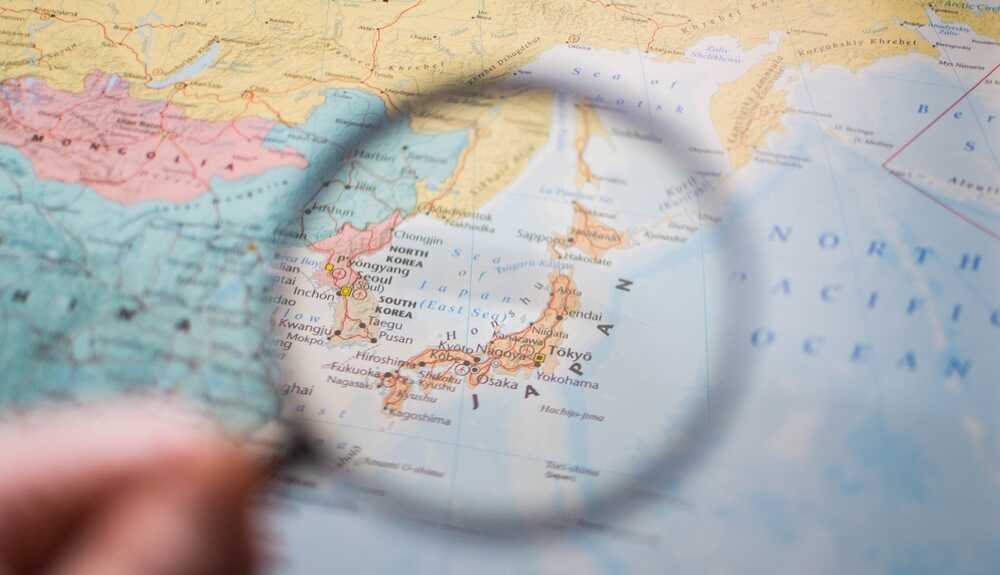
A massive 7.5-magnitude earthquake struck off Japan’s northern coast, shaking Tokyo and triggering urgent tsunami evacuations for over 128,000 residents—echoing the deadly 2011 disaster that exposed government vulnerabilities in protecting citizens.
Story Highlights
- Powerful 7.5-magnitude quake hit at shallow 10 km depth off Sanriku coast on April 20, 2026, felt strongly in Tokyo hundreds of miles away.
- Japan Meteorological Agency issued tsunami warnings for waves up to 3 meters; 80 cm waves hit Kuji port in Iwate.
- Over 128,000 residents in Iwate, Aomori, and Hokkaido evacuated to higher ground; ships fled ports amid rapid response.
Earthquake Details and Immediate Response
The earthquake struck at 4:53 p.m. local time (0753 GMT) off the Sanriku coast near Iwate Prefecture. Its shallow depth of 10 kilometers amplified shaking, reaching Tokyo over 300 miles south. Japan Meteorological Agency immediately issued tsunami alerts for Iwate, Aomori, and Hokkaido, warning of potential 3-meter waves. Tsunami waves of 80 cm arrived at Kuji port within an hour, with 40 cm at another Iwate site. Local governments ordered evacuations for more than 128,000 coastal residents.
Evacuation Efforts and Public Safety Measures
NHK footage captured residents rushing to higher ground by car as sirens blared. Ships vacated ports to avoid tsunami risks, and maritime traffic was redirected. Fire and Disaster Management Agency coordinated non-binding evacuations, prioritizing lives over property. Nuclear Regulation Authority confirmed no abnormalities at regional plants, calming fears of a repeat Fukushima scenario. JMA urged people to avoid coasts and rivers, emphasizing repeated waves could arrive unpredictably.
Historical Context on Japan’s Seismic Risks
Japan sits on the Pacific Ring of Fire, where the Pacific Plate subducts under the Eurasian Plate, fueling frequent quakes along northern Honshu’s Sanriku coast—a hotspot for megathrust events. The 2011 Tohoku M9.0 quake, centered nearby, killed over 20,000 and triggered the Fukushima meltdown, underscoring preparedness gaps. A December 2025 quake off the same region caused 70 cm tsunamis and injured over 40, yet minimal damage. This event’s rapid response reflects lessons from those tragedies, though shallow quakes remain unpredictable threats to everyday lives.
Pacific Tsunami Warning Center later declared the tsunami threat passed, and JMA maps showed no active alerts. Assessments continue with no reported damage or injuries so far. Authorities warn of aftershocks for a week, disrupting coastal communities, fishing, and shipping temporarily while evoking 2011 trauma.
Implications for Global Disaster Readiness
Short-term disruptions affect over 128,000 evacuees, with potential infrastructure checks and economic dips in northern tourism and ports. Long-term, the quake reinforces the need for vigilant seismic monitoring in high-risk zones. Both conservatives and liberals in America recognize parallels: governments worldwide, like our own federal bureaucracy, often prioritize self-preservation over citizen safety during crises. Effective local action here prevented catastrophe, a model of self-reliance over elite overreach that aligns with founding principles of individual initiative and community resilience.
Sources:
Major 7.5-Magnitude Earthquake Strikes off Japan, Triggers Tsunami Alert
Tsunami warning as 7.4 magnitude quake hits northern Japan