
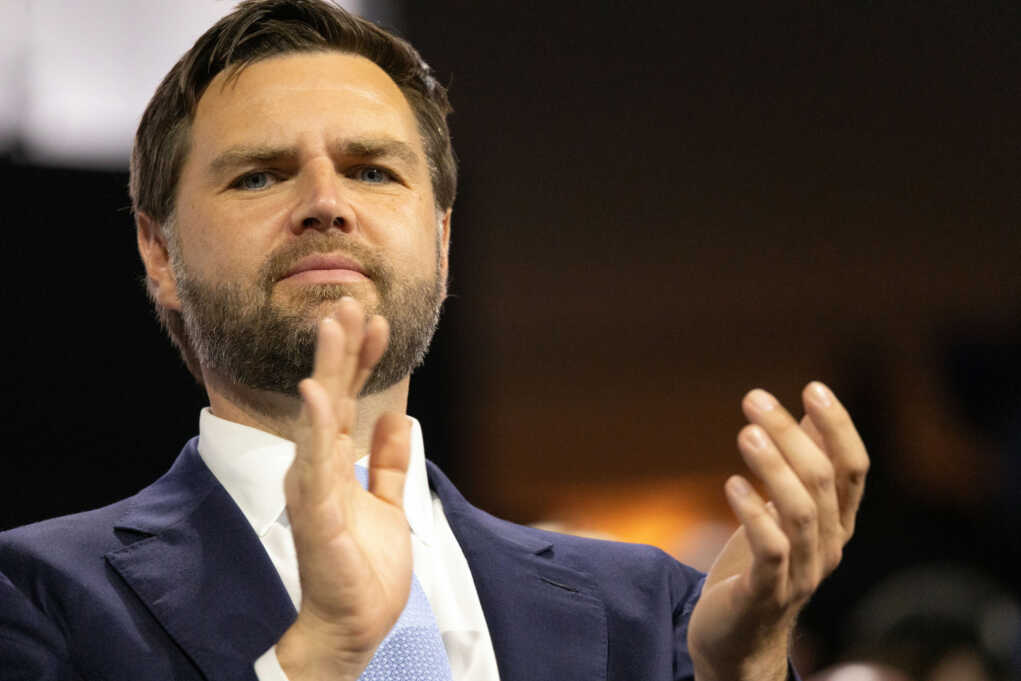
Vice President JD Vance will lead high-risk talks with Iran in Pakistan, overriding President Trump’s own security warnings and exposing a dangerous rift in the administration.
Story Highlights
- Trump initially excludes Vance from Iran talks in Islamabad due to security threats, calling him “great” but prioritizing safety.
- White House officials contradict Trump, confirming Vance leads alongside Witkoff and Kushner amid fragile Middle East ceasefire.
- Pakistan hosts indirect U.S.-Iran negotiations after prior failed round, highlighting ongoing diplomatic flip-flops.
- Security risks endanger top U.S. officials while ceasefire expiration looms, testing Trump’s America First resolve.
Contradictory Signals from the White House
President Donald Trump announced new U.S.-Iran talks in Islamabad, Pakistan, on a recent Sunday. He told ABC News that Vice President JD Vance would not lead the delegation, stating clearly, “It’s only because of security. JD’s great.” This decision reflected prudent caution amid heightened threats in the region. Yet hours later, a White House official reversed course, confirming Vance’s leadership role with Special Envoy Steve Witkoff and Jared Kushner. Such public discord raises questions about internal coordination in Trump’s second term, where Republican control of Congress should streamline decisions but appears hampered by bureaucratic overrides.
Pakistan’s Role in Fragile Diplomacy
Pakistan’s government hosts these indirect negotiations in Islamabad, positioning itself as a neutral mediator between distrustful U.S. and Iranian delegations. The prior round on April 11-12 featured the same U.S. trio—Vance, Witkoff, and Kushner—but ended without breakthrough. Weeks of Middle East instability, rooted in decades of U.S.-Iran hostility since 1979, prompted this sequel as the ceasefire nears expiration. Americans on both sides of the aisle grow weary of endless foreign entanglements that drain resources without clear victories, echoing frustrations with elite-driven policies over practical outcomes.
Security Risks and Leadership Tests
Trump’s initial exclusion of Vance underscored real dangers for high-profile Americans in volatile Pakistan, near Iran’s sphere of influence. Despite praise for Vance’s capabilities, the flip-flop exposes Vance to threats that could undermine the administration’s strength. This mirrors broader concerns that deep state elements prioritize globalist diplomacy over American safety, even under GOP control. Conservatives value leaders who put U.S. interests first, questioning why security concerns voiced by the President himself were dismissed so swiftly.
U.S. motivations center on de-escalation to protect lives and stabilize energy markets sensitive to Middle East chaos. Iran seeks conflict resolution, but mutual distrust necessitates Pakistan’s venue. Trump balances bold diplomacy with caution, yet the White House clarification suggests influences beyond his direct control.
Potential Fallout for Ceasefire and Beyond
Short-term, these talks could extend the fragile ceasefire or trigger breakdown, affecting Middle East civilians and U.S. diplomats. Long-term success might reshape hostile U.S.-Iran ties; failure risks escalation and oil price spikes that hit working families hardest. Politically, this tests Trump’s deal-making prowess amid Democratic obstruction. Both conservatives frustrated by globalism and liberals wary of endless wars share distrust of elite mismanagement, demanding outcomes that honor American principles of strength and self-reliance.
VP JD Vance to Lead U.S. Delegation to Iran Despite Security Concerns https://t.co/JrPGYGd1Aa
— Carol RN *Miss Rush & the Gipper* 👩⚕️🇺🇸 🇮🇱🦈 (@pasqueflower19) April 19, 2026
Sources:
Vance to Lead US Delegation for Iran Talks in Pakistan Amid Ceasefire Tensions – Kurdistan24
Trump says JD Vance Will Not Lead US Delegation for Iran-US Talks in Pakistan – Dawn