
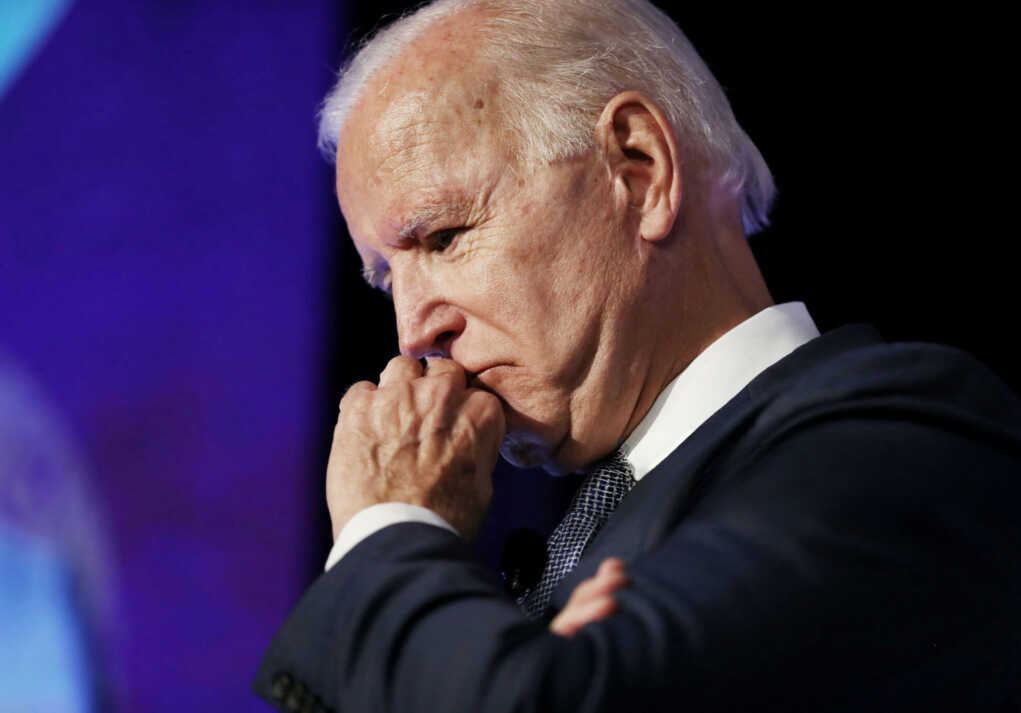
Freshly released Hur interview audio revives hard questions about Joe Biden’s memory lapses and why prosecutors said a jury would see him as a “well-meaning elderly man with a poor memory.”
Story Snapshot
- Audio and transcripts show Joe Biden struggling with dates, timelines, and basic facts during the special counsel interview [1][3][11].
- Special Counsel Robert Hur’s report documented “significantly limited” memory and cited jury perception in declining charges [5][6].
- Hur says memory assessment went to proving willfulness beyond a reasonable doubt, not a medical diagnosis [8].
- Legal, political, and media incentives shaped how the findings were framed and disputed [6][10].
What The Hur Record Actually Says
Special Counsel Robert Hur’s February 2024 report stated that Joe Biden’s memory “was worse” in the interview, noting that he failed to recall when he served as vice president on the first day, among other basic facts [5]. The report described Biden as a “well-meaning, elderly man with a poor memory” in explaining why a jury would likely be unconvinced on criminal intent in a classified-documents case [6]. That framing placed Biden’s recall at the center of the prosecutorial calculus rather than any medical determination.
Audio published since then underscores long pauses and uncertainty as Biden tried to place key dates, including personal and official milestones, reinforcing Hur’s description of memory lapses during the October 2023 sessions [1][11]. Television coverage reviewing the audio highlighted repeated difficulties recalling timelines and names, consistent with the report’s account of “significantly limited” memory performance in those interviews [3][7]. Together, the report text and the recordings present a unified picture of halting, hesitant answers under questioning about sensitive records.
Why Prosecutors Declined Charges
Hur’s bottom line was legal: he said he could not establish willfulness beyond a reasonable doubt, the key element needed for a felony mishandling case, especially given how a jury would likely perceive Biden’s state of mind [8]. Hur later emphasized that assessing memory was necessary to evaluate intent, not to opine on cognitive fitness or capacity [8]. That distinction matters. The decision did not exonerate judgment lapses with documents; it concluded the evidence did not clear the high bar for criminal intent.
Newsrooms and legal analysts pored over the interview transcript, with some arguing it shows more nuance than the report’s stark summary of memory gaps [2]. Others noted that Hur himself acknowledged moments of strong recall on subject-matter details while still finding Biden frequently uncertain on basic dates and sequences [10]. The tension is not unusual: prosecutors must weigh how a witness will look to ordinary jurors, while commentators often parse lines for technical accuracy that jurors may never reach if credibility collapses early.
What The Tapes Add To The Public Record
The audio matters because it lets Americans hear tone, pauses, and hesitations that a cold transcript flattens. Axios reported prolonged silences and repeated struggles to place foundational dates—problems that matched Hur’s description and his jury-risk analysis [1][5]. Broadcast segments featuring the audio reached the same conclusion: Biden often sounded unsure of timelines, and that demeanor would likely complicate any bid to prove deliberate mishandling beyond a reasonable doubt [3]. The tapes therefore corroborate the core rationale in the declination.
Hur called Biden "a sympathetic, well-meaning, elderly man with a poor memory."
That was the reason given for declining charges.
The transcripts are already public.
Now Biden is suing to keep the audio sealed.
The voice Hur heard is the one Biden doesn't want anyone else to.— Brooklands (@Br00klands) May 27, 2026
At the same time, some coverage pointed to isolated passages where Biden recalled substantive details or policy context, material that supporters cite as counterweight to claims of sweeping impairment [2][10]. That back-and-forth reflects a broader pattern in modern political disputes: one side treats halting performance as proof of decline; the other highlights selective fluency to argue the point is overstated. The legal question, however, remained narrower—could prosecutors convince twelve citizens that the conduct was willful? Hur concluded they could not [8].
Why It Still Matters In 2026
For conservatives who watched double standards on classified records, the Hur episode lands in a larger debate about accountability, media framing, and trust in institutions. The report’s reliance on how Biden would appear to a jury underscores a reality: presentation can decide outcomes when intent is central. Voters now measuring national security judgment, document handling, and fitness for duty must weigh both the corroborated hesitations on tape and claims of nuance in the transcript [1][2][5][10][11]. Prudence favors transparency, consistent standards, and equal application of the law.
Sources:
[1] Web – Remember the Tapes From Special Counsel Robert Hur That Showed Joe Was …
[2] Web – Exclusive: Prosecutor’s audio shows Biden’s memory lapses – Axios
[3] Web – Biden Interview Transcript Reveals Some Flaws in the Hur Report
[5] YouTube – Robert Hur says his report’s assessment of Biden’s memory was …
[6] Web – [PDF] report-from-special-counsel-robert-k-hur-february-2024.pdf
[7] Web – Interview transcript shows more nuance on Biden’s memory than …
[8] YouTube – Former President Joe Biden appears to have memory lapses in new …
[10] Web – President Joe Biden: The 2022 60 Minutes Interview Transcript – Rev
[11] Web – Key moments from special counsel Robert Hur’s interview of Joe Biden