
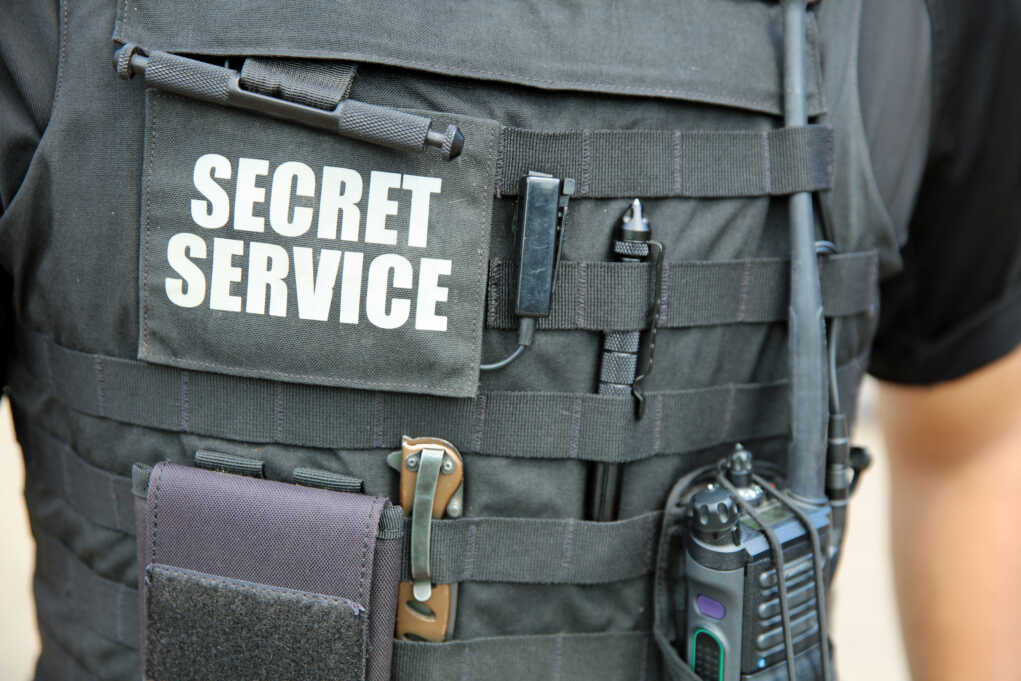
A federal watchdog now says the Secret Service missed more than 100 warning calls before the Butler shooting, raising grave questions about who is really keeping President Trump safe.
Story Snapshot
- Watchdog and congressional reports describe a chain of “foreseeable, preventable” failures at Trump’s Butler rally.
- Senior Secret Service officials sat on classified threat intel for 10 days and never warned local police working the event.
- Investigators say agents missed over 100 radio transmissions and even failed to secure the rooftop used by the shooter.
- Trump’s own administration now faces a federal security system that admits failure but still withholds key facts from the public.
DHS Watchdog Finds Stunning Communication Failures
The Department of Homeland Security’s Office of Inspector General has now released a redacted report showing just how badly the Secret Service failed to protect President Trump in Butler. The watchdog says agents never received more than 100 local radio calls warning about the gunman before he opened fire. That means local officers were shouting over the air that trouble was on the roof, but the very people guarding Trump were effectively deaf to the threat.
The Senate Homeland Security and Governmental Affairs Committee, led by Senator Rand Paul, reached similar conclusions in its own final report. Senators found that Secret Service communications with local police were “siloed,” with information trapped in separate channels and never pushed to Trump’s protective detail. Local officers described confusion about which radios to use and said key alerts never reached the agents who could have pulled Trump off the stage in time.
Missed Threat Intel and an Unsecured Rooftop
Ten days before the Butler rally, senior Secret Service leaders were briefed on classified intelligence describing a threat to Trump’s life. According to the Government Accountability Office report requested by Senator Chuck Grassley, those officials had days to pass that information down the chain so planners could request more assets or tighten security. They did not. GAO found the agency had no process to share classified threat information unless it was labeled an “imminent threat to life,” leaving partners in the dark.
The Department of Homeland Security’s independent panel went even further, tying that intel failure directly to the AGR rooftop where Thomas Crooks carried out the attack. The panel wrote that personnel had been read into a long‑range foreign state threat against Trump but still failed to secure the AGR building, even though it had a clear, high‑angle view of the stage. The review listed an absence of law enforcement on that roof, no mitigation of line‑of‑sight, and a drone detection system that did not work among the core failures. In plain terms, they knew the risk and still left the high ground open.
Local Officers Raised Red Flags That Never Reached Trump’s Detail
On the ground in Butler, local police did notice trouble, but their warnings died inside a broken system. Senate investigators found that officers spotted a suspicious person using a rangefinder 27 minutes before the shots and reported it to a security room shared with the Secret Service. Yet the lead agent and key site officials later testified they never got that information. The Homeland Security Committee report says a Secret Service security room agent failed to pass the warning to Trump’s detail, who could have kept him from taking the stage.
Radio calls about someone on the AGR roof came three minutes before the attack, with a report that the individual was armed arriving just 22 seconds before Crooks fired. Those alerts were sent over local channels but never relayed in time to the agents closest to Trump. Secret Service counter‑snipers saw police rushing toward the building with weapons drawn but did not warn Trump’s team. According to a House task force led by Representative Mike Kelly, crucial threat information known inside the intelligence community was never escalated to people working the rally. For many conservative readers, this looks less like a random accident and more like a culture of deadly complacency.
Accountability Moves – And Ongoing Stonewalling
Facing public outrage, the Secret Service has admitted “operational failures,” suspended six employees, and detailed some fixes. Acting Director Ronald Rowe told Congress the agency found major communication gaps, over‑reliance on cell phones, and poor colocation of command centers with local police. GAO says the Service has accepted recommendations to proactively share threat information with partners, instead of keeping intel locked in headquarters until it is too late. These steps show some accountability, but they do not erase what happened.
🚨BREAKING: A Secret Service member was reportedly Googling the rooftop location of Thomas Matthew Crooks… the would-be assassin…at the exact moment shots rang out during President Trump’s rally in Butler, Pennsylvania.
THIS IS NOT GOOD. pic.twitter.com/htMf9OCH2J
— Jannine.. #MagaMemeQueen ™️ 👑🇺🇸 (@janninereid1) July 4, 2026
Multiple reports still leave big holes that feed public distrust. Key parts of the DHS inspector general’s Butler report remain redacted, so outside experts cannot review the raw radio logs or interview transcripts behind the “100 missed transmissions” figure. The House task force report avoided discussing Crooks’s motive, keeping Americans from knowing why he tried to kill Trump. Judicial Watch and other watchdogs have had to sue for basic records from the Federal Bureau of Investigation and Department of Justice, after agencies sat on documents for nearly two years. For many constitutional conservatives, the lesson is clear: when government fails, it also hides.
Why This Matters for Constitutional Conservatives
For Trump supporters, the Butler shooting was not just an attack on one man; it was an attack on the voters who put him back in the White House and the Constitution he swore to defend. The Secret Service is supposed to be the thin line guarding elected leaders against violence. Yet bipartisan reports, an independent panel, and the DHS watchdog all now say this attempt was “foreseeable” and “entirely preventable.” That kind of systemic failure should alarm anyone who cares about ordered liberty and honest government.
The Department of Homeland Security panel warned flatly that “without reform, another Butler can and will happen again.” Congress has responded with new legislation to boost resources and tighten protection rules for presidential candidates and sitting presidents. But conservative readers know money alone will not fix a broken culture. Real reform means clear chains of command, hard rules for sharing threat intel, and full transparency with the American people. Until we see the unredacted reports, complete Federal Bureau of Investigation files, and sworn testimony on every missed warning, patriots have every right to keep asking: if they could fail this badly with Trump, who else is at risk next?
Sources:
redstate.com, cha.house.gov, fedscoop.com, abc7news.com, youtube.com, politico.com, hsgac.senate.gov, npr.org, cbsnews.com, legis1.com