
Russia pledges to fill China’s energy gap as Middle East conflict threatens critical oil supply routes, deepening a strategic alliance that challenges American influence in global energy markets.
Story Snapshot
- Russian Foreign Minister Sergei Lavrov announced Russia will compensate for China’s energy shortfalls caused by Strait of Hormuz disruptions during US-Israeli conflict with Iran
- The pledge came during Lavrov’s two-day Beijing visit on April 14-15, 2026, where he met with Chinese President Xi Jinping
- Russia redirected 90% of Europe-bound oil to Asia after 2022 sanctions, proving its capacity to serve as China’s alternative energy supplier
- The deepening Russo-Chinese energy partnership accelerates de-dollarization efforts and strengthens anti-Western bloc formation
Russia Steps In as Hormuz Crisis Deepens
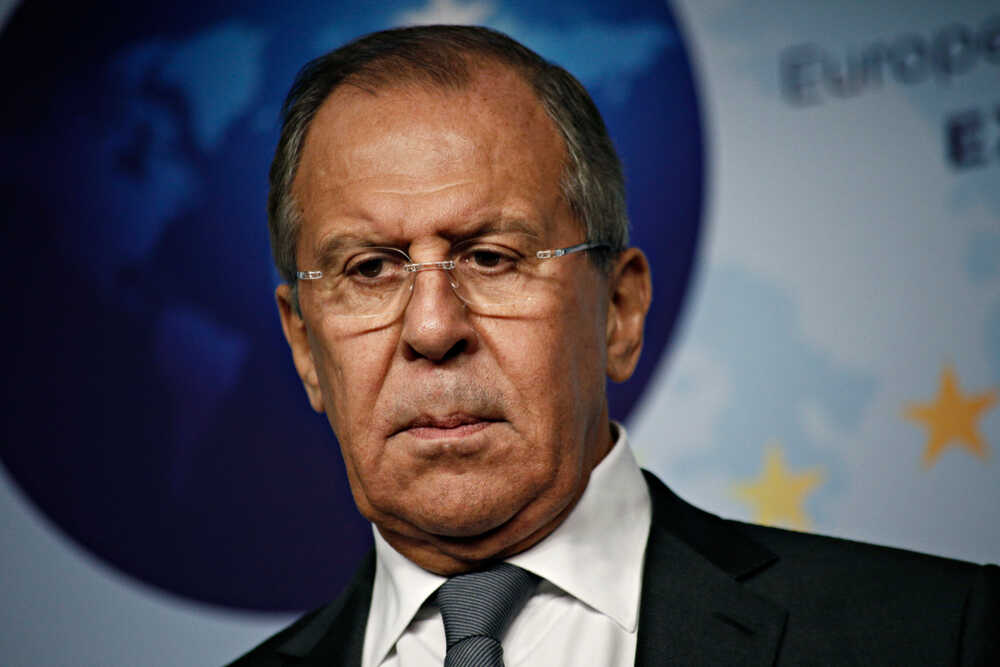
Sergei Lavrov declared Russia can “without a doubt” compensate for energy resource shortfalls affecting China during his April 15 news conference in Beijing. The Russian Foreign Minister’s statement addresses disruptions in the Strait of Hormuz, a critical shipping chokepoint handling 20-30% of global oil supplies, now threatened by ongoing US-Israeli military operations against Iran. Lavrov emphasized Russia’s readiness to supply China and other interested countries, positioning Moscow as a reliable alternative to Middle Eastern energy sources. The announcement came during his two-day diplomatic visit that included meetings with President Xi Jinping.
Strategic Energy Partnership Built on Sanctions
Russia became China’s top oil supplier by 2023, a transformation accelerated by Western sanctions following the 2022 Ukraine invasion. Moscow redirected approximately 90% of oil previously destined for European markets to Asian buyers, demonstrating compensatory capacity that now proves valuable amid Hormuz uncertainties. The partnership operates through infrastructure including the Power of Siberia and ESPO pipelines, channeling vast Arctic and Siberian reserves eastward. Bilateral trade between Russia and China reached record highs under their declared “no-limits” partnership, representing a fundamental realignment of global energy flows away from traditional Western-dominated markets.
Implications for American Energy Security
The Russo-Chinese energy alliance directly undermines American strategic interests in maintaining influence over global oil markets and containing both nations. China’s reliance on Gulf imports, including approximately 10% of crude from Iran, made it vulnerable to Middle East instability that Washington and its allies partly drive. Russia’s offer eliminates that vulnerability while generating over $100 billion in annual energy trade flowing eastward, revenues that fund Moscow’s operations and reduce sanctions effectiveness. This development represents exactly the kind of consequence Americans across the political spectrum should question: does endless military intervention in the Middle East serve ordinary citizens, or does it merely push adversaries together while energy corporations and defense contractors profit?
Putin Visit Signals Deepening Ties
Lavrov announced President Vladimir Putin will visit China during the first half of 2026, continuing high-level diplomacy that frames bilateral ties as having a “stabilizing role in world affairs.” This characterization directly challenges Western narratives portraying Russo-Chinese cooperation as destabilizing, instead positioning the partnership as a counterweight to what both nations describe as American “containment” efforts. The timing connects to broader BRICS energy integration initiatives and de-dollarization programs that threaten the petrodollar system underpinning American financial dominance. For Americans frustrated with perpetual foreign entanglements, the pattern is clear: interventionist policies create exactly the unified opposition they claim to prevent.
Lavrov says Russia can ‘compensate’ for China’s resource gap from Iran war: Russian state media https://t.co/0BmAqQNW39
— The Sun Malaysia (@theSundaily) April 15, 2026
The agreement highlights a fundamental failure of establishment foreign policy from both parties over decades. While American families struggle with inflation partly driven by energy costs and fiscal mismanagement, their government pursues conflicts that push major powers into alliances against U.S. interests. Russia gains secure markets, China gains energy security, and both strengthen their position against Western economic pressure. Meanwhile, ordinary Americans see no benefit from Middle East military operations beyond higher gas prices and tax dollars funding endless wars. The question voters should demand answered is simple: who actually benefits from policies that created this situation, and why do the same elites keep making decisions that fail average citizens while enriching connected insiders?
Sources:
Russia can ‘compensate’ for China’s resource gap from Iran war: Lavrov – CNA
Russia can compensate for China’s resource gap from Iran war – Hurriyet Daily News
Lavrov says Russia can compensate for China’s resource gap from Iran war – Dawn
Lavrov says Russia can compensate for China’s resource gap from Iran war – Korea Times