
President Trump accuses Iran of playing deceptive games at the negotiating table while secretly controlling the media narrative, raising serious questions about whether American leaders are being outmaneuvered by a regime with far less military power.
Story Snapshot
- Trump claims Iran privately agreed to nuclear disarmament but publicly denies commitments, exposing dishonest negotiating tactics
- U.S. warships loaded with advanced munitions as backup if high-stakes talks in Islamabad collapse
- Iran dismisses American offers as dishonest while demanding guarantees against future U.S. aggression
- Pakistani Prime Minister warns talks are “make or break” for achieving Middle East ceasefire
Trump Warns Iran Holds No Leverage Beyond Strait of Hormuz
President Donald Trump issued stark warnings on April 10, 2026, declaring that Iran possesses no negotiating leverage except its ability to disrupt shipping through the Strait of Hormuz. In a Truth Social post, Trump stated Iranians are “only alive today to negotiate” and accused the regime of failing to recognize their weak position. The President’s blunt assessment came one day before crucial negotiations began in Islamabad, Pakistan, designed to resolve nuclear tensions and achieve a broader Middle East ceasefire after weeks of regional conflict.
Accusations of Double-Dealing Undermine Trust
Trump leveled serious accusations that Iran has been deceiving American negotiators by making private commitments to dismantle nuclear weapons while simultaneously issuing public denials about halting uranium enrichment. This alleged duplicity mirrors the core frustrations many Americans feel about government dealings with foreign adversaries who seem to operate by different rules. The President acknowledged Iran’s superior handling of media narratives, suggesting the regime has outmaneuvered the United States in the information war despite America’s overwhelming military advantages. Such admissions raise troubling questions about whether our leaders are being played by a regime skilled at public relations manipulation.
Military Preparations Signal Serious Consequences
The Trump administration backed its diplomatic efforts with concrete military preparations, revealing that U.S. Navy warships were being loaded with America’s “best munitions” as contingency planning for potential talks failure. Trump referenced previous strikes on Iranian assets, noting that current weapons readiness stands “even at a higher level” than past operations. Vice President JD Vance expressed optimism about positive outcomes, but the military posture demonstrates the administration’s willingness to use force if Iran continues what Trump characterizes as extortion through threatened Hormuz blockades. This approach reflects the America First principle of negotiating from strength rather than weakness.
Iran Rejects U.S. Offers as Fundamentally Dishonest
Iranian officials countered American accusations by dismissing U.S. negotiating offers as lacking honesty and demanding credible guarantees against future aggression. On April 1, 2026, Iran publicly stated “there is no honesty in US offers for talks” and rejected artificial deadlines imposed by Washington. This mutual distrust stems from the 2018 U.S. withdrawal from the JCPOA nuclear agreement under Trump’s first term, which implemented maximum pressure sanctions that prompted Iranian uranium enrichment escalation. The contrasting narratives illustrate a fundamental problem with international diplomacy where both sides claim the moral high ground while ordinary Americans bear the consequences of failed agreements through higher energy costs and military risks.
High Stakes for Global Energy and Regional Stability
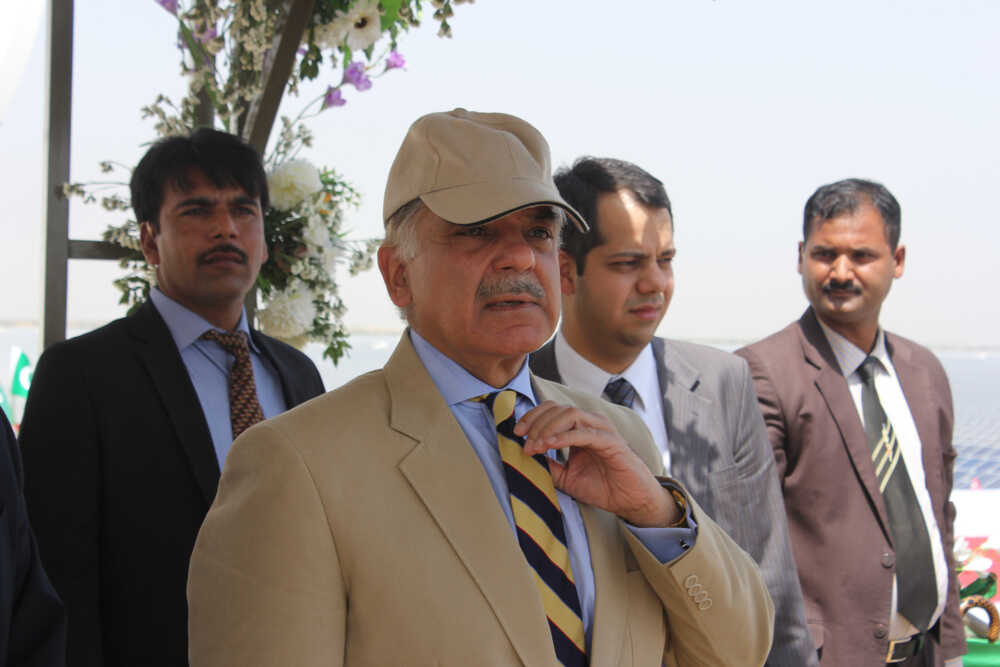
The outcome of Islamabad talks carries profound implications for global oil markets, Middle East stability, and American credibility in confronting rogue regimes. Pakistani Prime Minister Shehbaz Sharif characterized the negotiations as “make or break” for achieving a ceasefire in the broader Middle East conflict. Short-term failure risks Iranian blockades of the Strait of Hormuz, potential U.S. military strikes, and oil price spikes that would hit American consumers at the pump. Long-term consequences include emboldening Iranian nuclear ambitions and demonstrating to other adversaries that deceptive negotiating tactics work against the United States. For Americans tired of endless Middle East entanglements, these talks represent yet another test of whether elected officials can secure genuine victories or merely postpone inevitable confrontations.
Sources:
Trump warns Iran ahead of nuclear talks in Islamabad