
President Trump is tying Canada’s wildfire smoke to tariffs, turning dirty air over American cities into a hard-nosed trade fight.
Story Snapshot
- Trump accused Canada of “willful negligence” in forest management and debris cleanup, blaming Ottawa for smoke choking U.S. skies.
- He warned that the “incalculable cost” of wildfire pollution and “billions and billions” in U.S. damages should be added to existing tariffs on Canadian goods.
- Trump called the smoke an “unnecessary invasion” of “filthy, polluted, and unhealthy air” and said he will press Prime Minister Mark Carney directly.
- Experts and media allies of the Canadian government dispute his claims, pointing to climate change and saying there is no clear legal path to punish Canada over smoke.
Trump Turns Wildfire Smoke Into a Trade and Sovereignty Fight
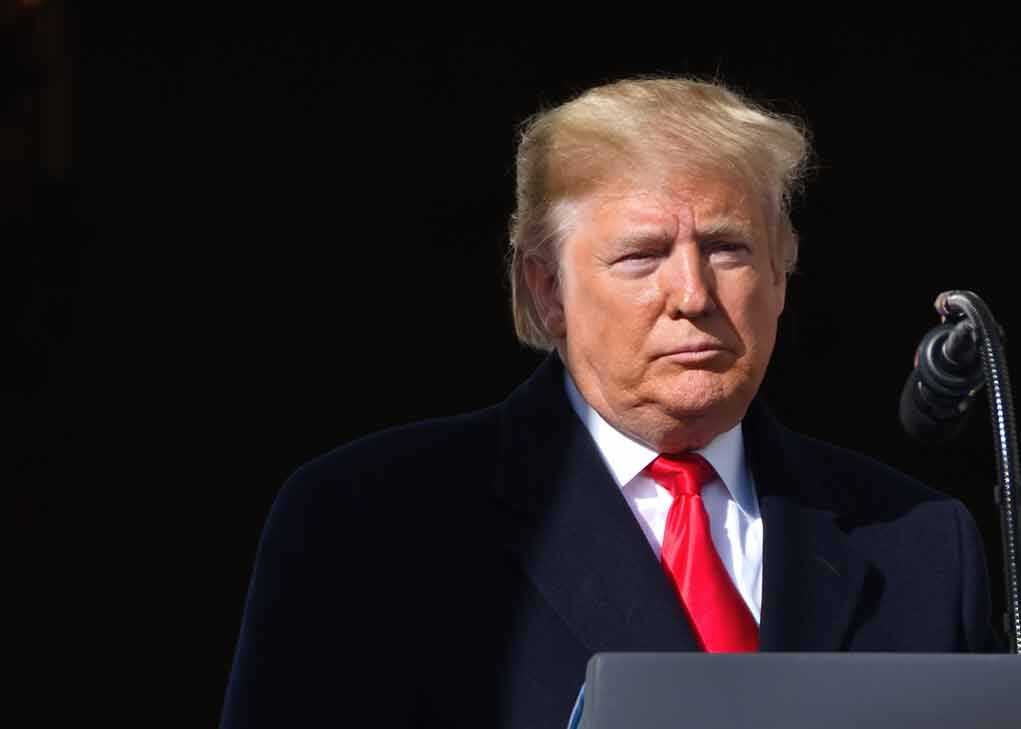
On Friday, President Donald Trump used a Truth Social post and a primetime speech to put Canada on notice over wildfire smoke drifting into the United States. He said Canada has “refused to engage in basic forest management and debris removal,” calling that failure “willful negligence” that is now harming American families and businesses. Trump argued that smoke from hundreds of Canadian fires has driven U.S. air quality to dangerous levels across more than a dozen states, and he framed that impact as an attack on American sovereignty, not just bad weather.
Trump’s message was simple and blunt: if Canada will not take care of its forests, American taxpayers should not foot the bill. He said the pollution cost from Canadian wildfires “must be added to the tariffs Canada is currently paying,” warning that the overall price tag is “incalculable” and already reaching “billions and billions of dollars” in damage to the U.S. economy. That framing lines up with the president’s long-standing view that trade deals should reflect real-world costs, including health and economic harms that hit American workers and seniors.
Health, Economic, and Constitutional Stakes for American Families
Trump’s anger taps into real health fears for many Americans, especially older citizens and people with breathing problems. Scientific studies show that fine particles from wildfire smoke can travel thousands of kilometers, driving sharp spikes in hospital visits for heart and lung issues even far from the fires themselves. One major analysis found that, in recent years, wildfire smoke has been linked to hundreds to thousands of premature deaths every year, underscoring that this is not just about hazy skies but serious long-term risk.
For conservatives, those facts raise a core fairness question: why should American workers and retirees pay the health and economic price for fires burning in Canadian territory? Trump’s team argues that when a foreign government controls most of its forests, it has a duty to manage fuels, thin trees, and clear debris so communities on both sides of the border are safer. His tariff threat is meant to reflect those costs back onto Canadian exports, rather than letting them land silently on U.S. hospitals, small businesses, and energy users already squeezed by years of inflation.
Canada, Media Allies, and Experts Push Back on the Negligence Claim
Canadian leaders and many mainstream outlets quickly tried to blunt Trump’s message, calling his tariff threat political and unfair. Ontario’s premier and Prime Minister Mark Carney urged cooperation instead of blame and stressed climate change, record heat, and lightning as the driving forces behind this year’s fires, not government failure. Meteorologists echoed that line, pointing to heat domes and storm patterns that are making fire seasons longer and more intense across North America, including in U.S. states that also struggle with blazes.
Some experts interviewed by Canadian media went further, saying many of the fires are thousands of kilometers from roads or towns and simply cannot be managed with usual tools like thinning or prescribed burns. They noted that Canada has invested in forest thinning and fuel reduction, pushing back on Trump’s claim that Ottawa has “refused” to do basic work. Legal analysts also argued there is no clear international mechanism for Washington to demand formal “redress” just for smoke, suggesting Trump’s main option is exactly what he is threatening: using tariffs as leverage in a political and economic dispute.
What Comes Next: Pressure, Evidence, and a Test of Trump’s Trade Strategy
Trump said he will call Prime Minister Carney to demand an explanation and press for changes in forest management. That conversation, if it happens, will test whether Canada is willing to open its books on thinning budgets, prescribed burning, and debris removal, especially in hard-hit areas like northern Ontario. For many conservative voters, this is not just about environmental policy but about whether foreign governments that profit from trade with the United States are held accountable when their choices spill over the border and hurt American communities.
Trump says he’s holding Canada responsible for wildfire smoke, threatens higher tariffs https://t.co/hs1GPF0603
— JulietteSchwartz (@Juliett59778255) July 19, 2026
At the same time, there are real gaps in public data that matter for anyone who wants a cleaner, tougher policy. No government audit has yet laid out exactly how much U.S. economic damage comes from Canadian smoke versus U.S. fires, or how much could be reduced with better management. Trump’s team and Congress could push for hard numbers from the Environmental Protection Agency (EPA) and the United States Forest Service on smoke sources, health costs, and forest practices. Clear evidence would either bolster Trump’s case that negligence is driving the harm, or show where climate and natural forces leave even good management struggling.
Sources:
cbsnews.com, bbc.com, aljazeera.com, youtube.com, foxnews.com, insidetrade.com, pmc.ncbi.nlm.nih.gov