
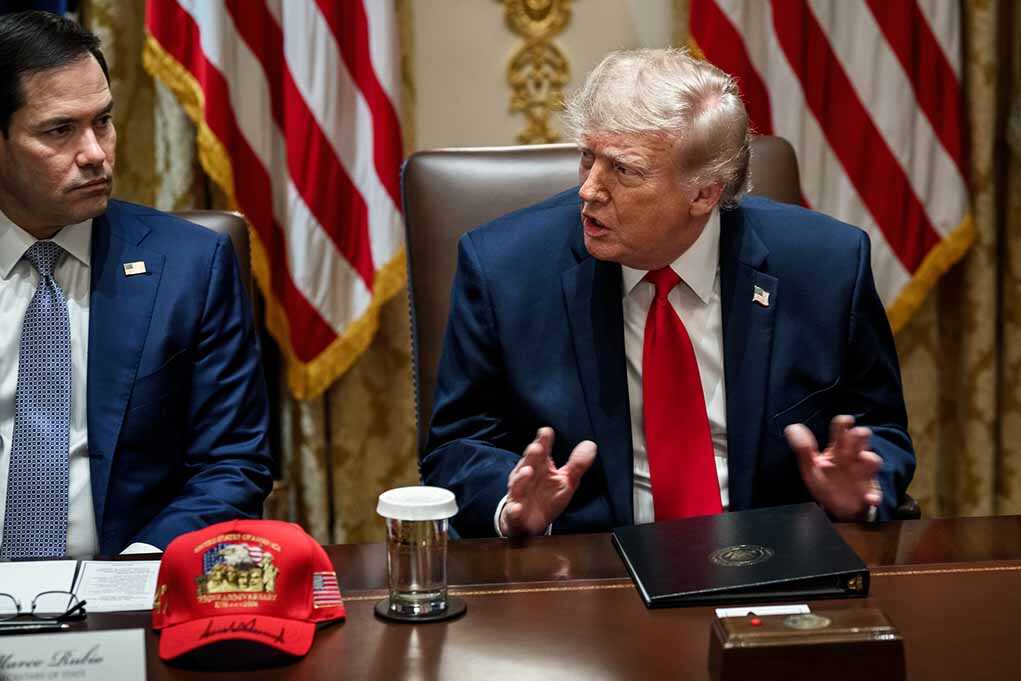
President Trump blasted Democrat James Talarico as “missing in action” after a 12-day campaign absence that Republicans say still lacks basic proof.
Story Highlights
- Talarico said urgent care diagnosed him with the flu and he shifted one event to virtual.
- Ken Paxton’s team demanded “proof of life,” even asking for a dated-newspaper photo.
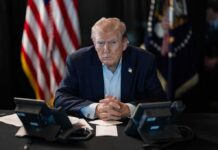
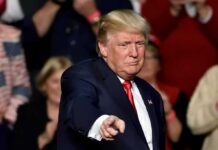
- Trump called Talarico “MISSING IN ACTION” and pushed for a Senate debate.
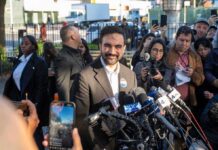
- Talarico reappeared at Austin City Limits after the absence, keeping the dispute alive.
What Talarico Claimed And When He Said It
James Talarico told voters on September 30 that he went to an urgent care in Dallas and was diagnosed with the flu. He made that statement while joining a United States Hispanic Business Council forum by video instead of in person, saying he felt sick days earlier. Reports show his last in-person event was September 26 in Carrollton, and that he paused in-person stops for about twelve days. His campaign said he had held over one hundred events and would return soon.
The campaign kept its message tight. A spokesperson repeated that the illness followed heavy travel and big crowds. The team did not release a doctor’s note, a test result, or the urgent-care paperwork. That choice left room for critics to push their own story. By October 9, Talarico surfaced in public again at Austin City Limits, which confirmed he was back on his feet but did not settle every question about the downtime or travel during the gap.
How Republicans Turned An Absence Into A Transparency Fight
Attorney General Ken Paxton’s campaign seized the opening and demanded “proof of life.” Staff asked for a photo of Talarico holding a newspaper with the current date. They even promoted a “Tala-Freak-Out Tip Line,” inviting voters to report sightings. President Trump added pressure by calling Talarico “MISSING IN ACTION” and asking, “Where is he? What is wrong with him?” The message was simple: if there is nothing to hide, show the receipts.
Trump’s push came with a challenge to debate. He urged a direct face-off in the Texas Senate race, putting accountability on the ballot and forcing attention on public visibility. Coverage shows the attack line worked. The absence kept dominating headlines during a critical stretch before early voting. Even after Talarico’s festival appearance, some commentators argued the timeline still raised questions, keeping the transparency issue alive for voters who want straight answers.
What We Know, What We Do Not, And Why It Matters To Voters
The facts on record are clear on a few points. Talarico said he had the flu. He appeared virtually on September 30. He skipped in-person events for about twelve days. He came back in public on October 9 at a major Austin festival. What is not on record is independent medical proof. No named clinician. No test result. No urgent-care statement. That gap lets opponents frame the absence as a credibility test, not just a health break.
Public health guidance says most people with flu are most contagious early and can return once symptoms improve and fevers break. That can match a several-day pause. But campaigns are not doctor’s offices. They run on trust and proof. When a candidate withdraws during peak season, the burden grows. Voters deserve clarity on where candidates are and what they are doing. A simple document or timeline would end the drama fast and let Texans judge on issues like the border, prices, and energy.
Bottom Line For Conservatives
President Trump and Ken Paxton put the spotlight on transparency, which squares with limited-government values: the people are the boss, and candidates answer to them. Talarico’s on-camera statement and later return show activity, but not the independent proof critics requested. Until he provides basic verification or a clean timeline, Republicans will keep asking the question that matters in any campaign job interview: where were you, and what can you show to back it up?
Sources:
thegatewaypundit.com, nbcnews.com, thehill.com, cbsnews.com