

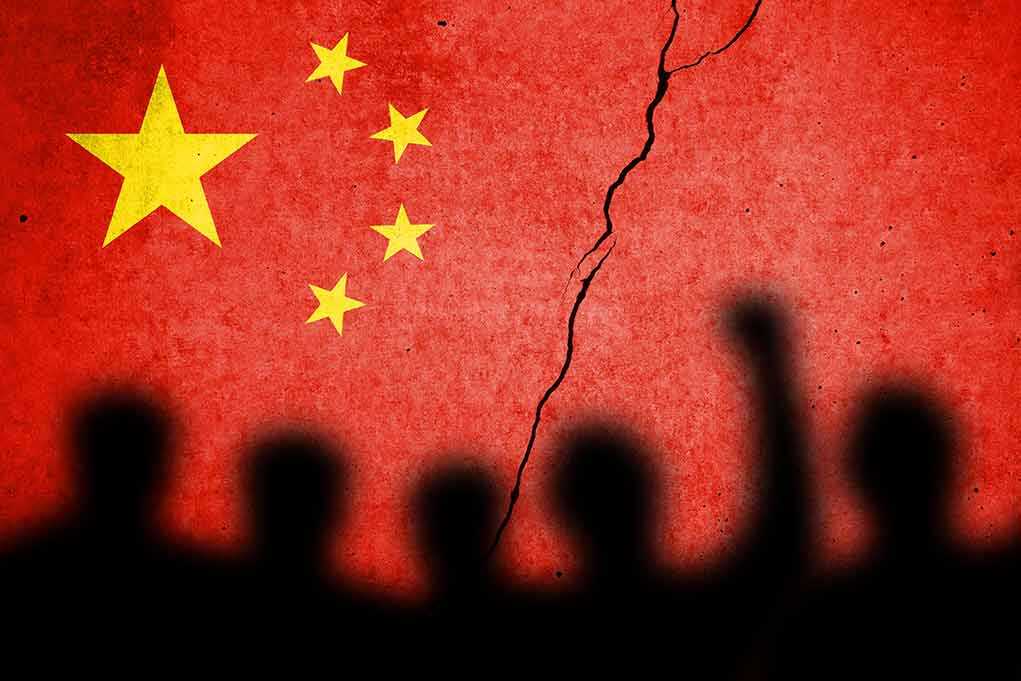
Reports across China say workers returned from holiday to find plants stripped, wages unpaid, and bosses gone.
Story Highlights
- Workers in several provinces reported shuttered factories, missing managers, and unpaid wages.
- Radio Free Asia documented protests over wage arrears and lost social-security payments in multiple cities.
- China Labour Bulletin recorded 1,509 labor incidents in 2024, with wage arrears the top grievance.
- Chinese authorities reported prosecutions tied to wage nonpayment and funds recovered for workers.
Workers Report Closed Plants And Missing Pay Across Provinces
Radio Free Asia reported that workers in Hunan, Sichuan, Inner Mongolia, and Shaanxi returned from holiday to find factories closed and pay missing. The account included construction crews and sports-goods employees who said months of wages were owed. One flexible-circuit-board maker in Sichuan allegedly stopped paying wages in early 2025 and failed to pay social-security benefits since mid-2023. Workers said managers could not be reached and doors were locked, prompting street protests and demands for back pay.
ZeroHedge described posts and videos on Chinese social media that showed emptied workshops and vanished owners after the National Day break. Workers said equipment was removed, offices were cleared, and phones for managers went dead. The report highlighted claims from multiple sites rather than a single company failure. The descriptions matched what protesting employees told other outlets about wage arrears, missing benefits, and sudden dismissals in several factory towns and project sites.
Data Show Wage Arrears Driving A Wave Of Labor Disputes
China Labour Bulletin’s monitoring recorded 1,509 labor incidents across China in 2024, including hundreds in manufacturing. The group said wage arrears drove most conflicts and noted that weak demand at home and abroad hurt many factories. These records fit older patterns in China, where unpaid wages often spark small, local protests that flare across the map during hard times. The mapping points to a widespread problem that crosses sectors, from assembly lines to building trades.
The Congressional-Executive Commission on China has also reported that wage arrears cause most worker strikes and protests in recent years. That pattern lines up with the 2024 monitoring noted above. It suggests many disputes involve limited headcounts but add up to a large national burden. Together, these snapshots help explain why so many workers reported similar scenes at different plants after holidays or sudden shutdowns, with payroll and benefits still owed.
Chinese Officials Acknowledge The Problem Through Enforcement Actions
State media reported that Chinese prosecutors in 2024 charged 1,866 individuals for failing to pay labor compensation. Officials said they recovered more than 244 million yuan for workers through those cases. The Supreme People’s Procuratorate also said it helped recover over 27 million yuan in unpaid wages in the first quarter of 2024 through case handling. These official actions show authorities recognize wage nonpayment as a crime and a recurring risk for workers.
🚨 Chinese Workers Return From Holiday to Find Factories Emptied, Owners Gone
Workers in several parts of China say they returned from the National Day holiday to find their workplaces emptied of equipment, managers gone, and months of wages still unpaid, according to workers… pic.twitter.com/7N5bmvit02
— Tony Seruga (@TonySeruga) October 9, 2026
Courts in China have noted rising labor dispute caseloads as industries shift and companies face pressure. A white paper from the Shanghai High People’s Court described an increase in accepted labor cases in recent years. Those trends reflect the legal impact of payroll and benefit conflicts on workers, employers, and local governments. They also underscore why sudden factory closures can trigger fast-moving protests when owners fail to meet basic obligations under employment contracts.
Why This Matters To American Readers And U.S. Policy
American consumers have long bought goods from Chinese factories that run on thin margins and heavy debt. Reports of stripped plants and unpaid wages point to deeper risks in that model. When owners flee and payroll fails, supply chains crack. That can hit American stores and small businesses that rely on parts and finished goods. It also strengthens the case for bringing key production home, where labor laws, courts, and elections make leaders answer for broken promises.
President Trump has pushed for secure supply chains, fair trade, and strong borders. These reports from China back that focus. When factories vanish overnight and workers lose pay, the problem is not just in one town. It is baked into a system that hides data and shifts the costs onto families. America stays stronger when we make more here, protect honest work, and keep rivals from undercutting our jobs with opaque practices that leave workers stranded and customers exposed.
What To Watch Next
Watch whether more provinces report similar closures after holiday periods or at quarter’s end, when cash runs thin. Track if Chinese authorities increase wage recovery totals or arrests tied to nonpayment. Look for signs that multinational buyers shift orders to countries with clearer rules, or back to the United States. Here at home, expect continued pushes for reshoring tax breaks, hard enforcement of trade rules, and clear labels so buyers can choose reliable, lawful supply chains.
Sources:
zerohedge.com, publicnow.com, leftvoice.org, cfo.economictimes.indiatimes.com, en.wikipedia.org