
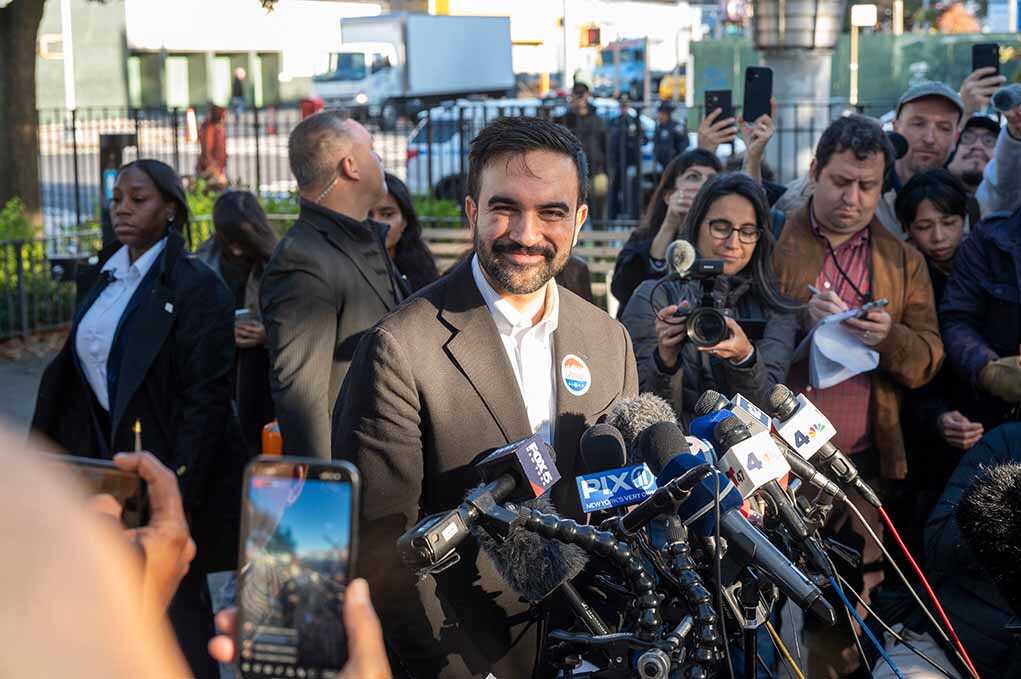
On the solemn Oct. 7 anniversary, New York City Mayor Zohran Mamdani used city letterhead to accuse Israel of “ongoing genocide,” igniting bipartisan outrage and alarming many Jewish New Yorkers.
Story Highlights
- Mamdani’s official statement mourned Oct. 7 victims but centered claims that Israel is committing “genocide.”
- Democrats and Jewish groups said the message dishonored the murdered and inflamed tensions in New York.
- The Anti-Defamation League blasted Mamdani for “weaponizing” a day of mourning and not naming “Jews.”
- The dispute shows how political framing can sideline victims and divide a city still in pain.
What Mamdani Said, And Why It Sparked Backlash
Mayor Zohran Mamdani marked three years since Hamas’s Oct. 7 massacre by condemning Hamas’s “horrific war crimes,” listing the dead and abducted, and then accusing Israel of “ongoing genocide” in Gaza. His post said, “We grieve alongside” those still suffering, yet shifted hard to charges against Israel, presenting the Gaza war as “devastating” and criminal. The mayor published this as an official city statement, not a personal post, giving his words the weight of City Hall authority.
Several major outlets reported that Mamdani devoted most of his message to attacking Israel’s conduct after Oct. 7. That tone and timing fueled public anger. Coverage showed the statement as about 200 words, with only brief lines about Hamas’s mass murder and the hostages, before accusing Israel of genocide. For many New Yorkers, the anniversary is a day to honor the victims of terror, not to reframe blame or litigate war claims.
Democrats And Jewish Leaders Denounce The Message
Democratic Representatives Debbie Wasserman Schultz and Josh Gottheimer said Mamdani desecrated the memory of the murdered and “blamed the victims.” Jersey City’s mayor called the post “inappropriate and unnecessarily inflammatory.” The UJA-Federation of New York said the statement shifted focus from Hamas’s cruelty and put Jewish New Yorkers at risk. The Anti-Defamation League said Mamdani “weaponized” a day of mourning and noted he did not use the word “Jews” in the tribute.
Rabbinic leaders also pushed back. Rabbi Ammiel Hirsch called the statement “morally perverse,” likening it to twisting a knife in a grieving community. Rabbi Marc Schneier said Mamdani chose to incite rather than honor the dead and seek peace. The Jewish Community Relations Council said Mamdani keeps falling short at uniting the city. These reactions underscore a simple standard: on Oct. 7, public officials should center the victims and the hostages without turning memorials into political broadsides.
Why Framing Matters On A Day Of Mourning
Research shows coverage of Israel and Gaza often narrows into single-story frames that sideline either Hamas’s terror or Palestinian suffering, and then spark outrage when anyone tries to mix both in one message. Studies of press framing found that large outlets sometimes cast Israel as the main driver of events while Hamas fades from view. On a day like Oct. 7, this dynamic can erase the victims or recast the story around policy fights, which fuels division and pain.
Officials must be careful with public trust on days of grief. Words on city letterhead carry the power of the state. When they appear to minimize a terror massacre, they can deepen wounds and stoke fear among neighbors who still mourn the dead and pray for hostages. Clear, victim-centered language honors the fallen and calms a city. Policy arguments belong on other days, in other forums, with careful sourcing and debate, not during solemn remembrance.
The Conservative Take: Duty To Remember, Duty To Tell The Truth
Patriots expect leaders to name evil plainly, support allies against terror, and keep communities safe. Mamdani did acknowledge Hamas’s crimes, but the balance and timing of his message failed the test of leadership. A memorial is not a lecture hall. On Oct. 7, the priority is respect for the murdered, recognition of Jewish suffering, and resolve against those who target civilians. That standard is not partisan. It is moral clarity that holds a city together.
President Trump has made clear that America stands with victims of terror and with our allies who face it. Local leaders should match that clarity. New Yorkers deserve messages that unite, not posts that ignite more anger. The path ahead is simple: honor the dead, support the living, and debate policy with facts on the days set for policy. On this day, the duty is remembrance. Anything less misses the moment and loses the public’s trust.
Sources:
cbsnews.com, cnn.com, nytimes.com, nypost.com, politico.com, foxnews.com, commondreams.org, jewishinsider.com, abc7ny.com, newsweek.com