
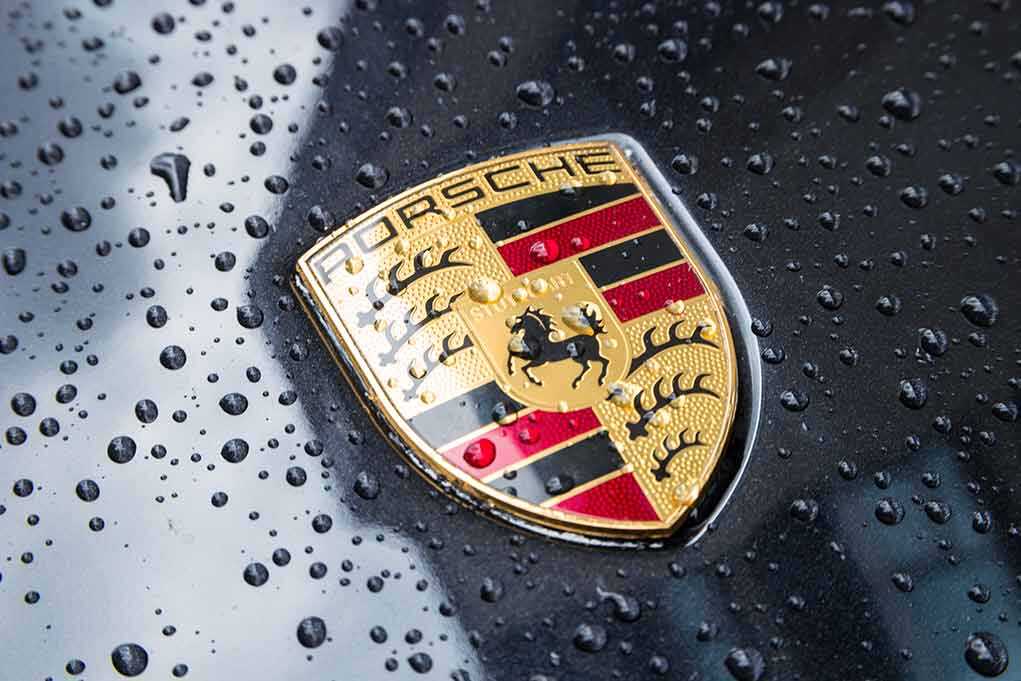
Porsche will raise prices on its top-end 911 sports cars by about 20% as it doubles down on selling fewer, pricier vehicles to rebuild profits.
Story Highlights
- Porsche plans about a 20% average price hike on top-end sports cars, including upper-tier 911s.
- A new supercar positioned above the 911 is in development to boost exclusivity and margins.
- Management is targeting a long-term operating margin near 15% after a sharp profit drop.
- The strategy follows a “value over volume” play to protect pricing power and brand strength.
Porsche Sets a High-Price Course After Margin Slump
Porsche told investors it will raise the average price of its top-end sports cars by about 20%, with an emphasis on high-spec 911 variants and other halo models. The company linked the move to a formal margin recovery drive, targeting a long-term operating margin near 15% after profitability fell sharply last year. Coverage says Porsche also plans a model that sits above the 911 to re-enter the supercar tier, which it last occupied with the limited 918 Spyder in 2013.
Executives framed the shift as a clear “value over volume” strategy. They aim to balance supply and demand to protect pricing power and the brand’s pull with wealthy buyers. Reporting indicates Porsche expects average prices of its most exclusive vehicles to rise from about €270,000 today to more than €330,000 by decade’s end, if the plan holds. That path depends on product mix, options, and the new range-topper, not across-the-board hikes for every trim.
What Changes for Buyers and the Market
Buyers eyeing top-tier 911s should expect higher stickers and costlier options as Porsche leans into scarcity. The company is prioritizing high-margin builds, special editions, and customization, rather than chasing unit growth. That playbook is common in luxury autos when demand is choppy across regions. It uses exclusivity to support profits and helps keep resale values strong for current owners, even as entry costs climb for new shoppers.
Porsche’s pivot also reflects uneven results in China and other key markets. Reporting says the brand is reining in its China ambitions after margins slid to 1.1% from 18% two years earlier, a dramatic swing for a company that long balanced sports-car heritage with global scale. Management believes a tighter, pricier lineup can reduce dependence on volume and restore returns, especially in Europe and the United States where brand loyalty runs deep.
The New Supercar Above 911: Big Promise, Few Details
Porsche plans a model above the 911 to recapture ground in the supercar space, which could anchor higher price points and halo demand across the lineup. The company has not released a name, specs, or a launch date in the reporting summarized here. That means the car remains a strategic pillar, not a revealed product. Still, the direction is clear: fewer variants, more focus on flagship performance, and stronger margins per vehicle.
🚨 PORSCHE REVERSES EV COURSE AS CHINA SLOWDOWN FORCES RETURN TO GAS ENGINES
STUTTGART, GERMANY – Porsche is no longer trying to lead consumer demand. It is adapting to it. The company spent years preparing for a rapid EV transition, only to discover that affluent buyers were… pic.twitter.com/qHl5401sf8
— The Content Factory (@tcf_updates) October 8, 2026
Analysts and fans will watch for how much of the margin recovery comes from price versus cost cuts or mix changes. Reports mention workforce reductions and lower development spending in the same time frame, factors that can help profits but bring their own risks to innovation speed and service capacity. For now, Porsche is betting brand heat and top-end pricing can do most of the lifting, with the new supercar serving as a crown jewel.
Why This Matters for American Drivers
American buyers already face high car payments and insurance costs after years of inflation. Porsche’s plan shows how big brands use scarcity and luxury to push prices even higher, especially when global markets soften. That is the opposite of mass-market relief. It rewards cash buyers and collectors while putting dream cars farther out of reach for working families. Porsche calls it discipline; everyday drivers feel the squeeze as high-end pricing sets the tone across the market.
Sources:
zerohedge.com, nytimes.com, reuters.com, moneycontrol.com, techtimes.com