

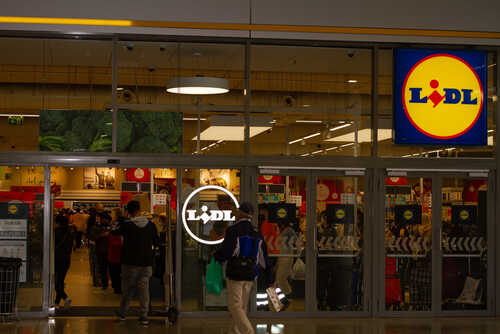
Two major supermarket chains just discovered that Britain’s new food advertising rules have real teeth, and the government isn’t playing games when it comes to what your children see.
Story Snapshot
- Lidl and Iceland became the first retailers punished under UK regulations banning advertisements for foods high in fat, salt, and sugar, with enforcement actions announced April 15, 2026
- Lidl violated rules through an Instagram influencer partnership promoting Pain Suisse pastries, while Iceland ran banned confectionery ads on the Daily Mail website
- The regulations restrict television advertising of unhealthy foods between 5:30am and 9pm and prohibit all paid online advertising of such products at any time
- Both retailers blamed operational errors rather than intentional violations, citing marketing agency miscommunication and third-party data supplier failures
- The Advertising Standards Authority ordered both companies to immediately halt the offending advertisements and ensure future compliance with nutrient profiling standards
When Good Intentions Meet Marketing Reality
The Advertising Standards Authority pulled no punches when it slapped down Lidl Northern Ireland and Iceland Foods barely three months after new childhood obesity prevention rules took effect January 5, 2026. Lidl’s misstep came through an Instagram post featuring influencer Emma Kearney promoting bakery items, specifically highlighting Pain Suisse, a sweetened bread product that falls squarely within the banned category. The company claimed the campaign was supposed to be brand-focused, which remains perfectly legal, but acknowledged the execution crossed the line by spotlighting a prohibited individual product. Lidl yanked the ad and promised better coordination with its marketing agency.
Iceland’s violation took a different route but ended at the same destination. The frozen food retailer ran digital banner ads on the Daily Mail website showcasing Swizzels Sweet Treats, Chupa Chups Laces, Choose Disco Stix, and Haribo Elf Surprises. Every single one of those confectionery items automatically fails the government’s nutrient profiling model. Iceland blamed a technical glitch in data feeds from third-party suppliers and admitted gaps exist in the nutritional information they receive. The ASA wasn’t interested in excuses. Both retailers received identical orders: pull the ads permanently and implement systems preventing future violations of rules targeting 13 specific food categories deemed most responsible for childhood obesity.
The Two-Tier Trap That Caught Them
The regulatory framework operates like a double-edged sword. Products first must fall into one of 13 designated categories: soft drinks, chocolates, sweets, pizzas, ice creams, breakfast cereals, porridges, sweetened bread products, and main meals or sandwiches. Then comes the second cut, a nutrient profiling scoring tool that evaluates saturated fat, salt, and sugar content to determine whether items qualify as less healthy. This two-step process creates complexity that clearly overwhelmed even major retailers with sophisticated marketing operations. The Pain Suisse that tripped up Lidl hit both criteria, landing in the sweetened bread category and scoring poorly on nutritional metrics.
The restrictions cast a wide net across media channels. Television advertising faces a blackout period from 5:30am until 9pm, covering the entire time children might realistically watch. Online advertising faces even stricter limits with a complete ban on paid promotion at any hour. The government designed these rules specifically to limit children’s exposure during peak consumption hours and across digital platforms where young people spend increasing amounts of time. Iceland’s banner ads on the Daily Mail website exemplify exactly the kind of digital marketing the regulations target. The ASA’s enforcement sends an unmistakable message that online advertising receives the same scrutiny as traditional broadcast media.
Why Influencer Marketing Just Got Complicated
Lidl’s partnership with Emma Kearney, known to her followers as Baby Emzo, highlights emerging challenges in influencer marketing under the new regime. Brands have long relied on social media personalities to create authentic-seeming product endorsements that resonate with younger audiences. The regulations now force companies and influencers to meticulously verify product classifications before posting content. A single pastry featured in an otherwise compliant brand campaign can trigger enforcement action. Interestingly, the ASA dismissed a complaint against influencer John Fisher, known as Big John, for promoting German Doner Kebab menu items because those specific products didn’t classify as less healthy. The contrast between these cases illustrates how narrowly the rules apply to specific products rather than entire brand categories.
The Data Problem Nobody Solved
Iceland’s defense exposes a systemic weakness in how retailers manage nutritional information. The company requested nutrient profiling data from all suppliers but acknowledged receiving incomplete information. This data gap isn’t trivial because the regulations require precise classification of thousands of products across complex supply chains. Retailers now face pressure to invest in robust data infrastructure that can track nutritional profiles and automatically flag products subject to advertising restrictions. The alternative means continued risk of violations as marketing teams navigate campaigns without complete information about which products they can legally promote. Third-party data suppliers who failed Iceland may find themselves under increased scrutiny as retailers demand better systems to prevent expensive regulatory missteps.
These enforcement actions arrive at a moment when childhood obesity remains a pressing public health concern. The government’s willingness to immediately penalize major retailers signals genuine commitment to the strategy rather than treating regulations as advisory guidelines. Both Lidl and Iceland enjoy strong brand recognition and sophisticated marketing operations, yet both stumbled in the initial months of implementation. Smaller retailers watching these cases now understand the ASA will enforce rules consistently regardless of company size or whether violations stem from intentional decisions or operational failures. The message resonates clearly: ignorance and technical glitches don’t constitute valid defenses against promoting products the government deems harmful to children’s health.
What Happens Next
The regulatory precedent established by these first enforcement actions creates immediate ripple effects across the retail industry. Marketing departments at every supermarket chain are undoubtedly conducting urgent audits of current campaigns and reviewing approval processes for future advertising. Influencer contracts likely now include specific clauses requiring product classification verification before content goes live. Suppliers face growing pressure to provide comprehensive nutritional data or risk losing retail partners who can’t afford compliance failures. The financial stakes extend beyond the immediate cost of pulled advertisements to potential brand reputation damage and lost consumer trust that comes with being publicly sanctioned for promoting unhealthy foods to children.
The broader question remains whether these advertising restrictions will meaningfully reduce childhood obesity or simply shift marketing strategies toward compliant products and brand-level messaging. Retailers can still advertise their stores generally and promote specific products that meet nutritional standards. Lidl and Iceland both continue operating normally with their core business unaffected beyond the specific banned advertisements. The regulations create friction in marketing operations without fundamentally changing what products retailers sell or how they price them. Whether limiting advertising exposure translates into changed consumer behavior and improved health outcomes will take years to assess. What’s certain is that the ASA’s enforcement demonstrates the government considers these rules serious policy rather than symbolic gestures toward addressing a complex public health challenge.
Sources:
Lidl and Iceland ads are first to be banned under new ‘less healthy’ food rules – ITV News
Lidl and Iceland censored under junk food ad rules – City AM
Lidl and Iceland first to fall foul of new unhealthy food ad rules – Marketing Week
Lidl and Iceland battered in first crackdown on LHF ads – Decision Marketing