
A federal agent permanently blinded a 21-year-old protester by firing a less-lethal round into his face at close range during a California demonstration, raising urgent questions about government use of force against American citizens exercising their First Amendment rights.
Story Snapshot
- Kaden Rummler, 21, permanently lost vision in his left eye after a DHS agent shot him with a less-lethal round at close range during a Santa Ana protest
- Metal fragments remain lodged near Rummler’s carotid artery; doctors called his survival a miracle
- Department of Homeland Security defends the shooting as self-protection amid “coordinated violence,” refusing to specify the munition type used
- The incident echoes 2020 protests where federal forces faced scrutiny for causing severe injuries with crowd-control weapons
Federal Agent Blinds Protester at Close Range
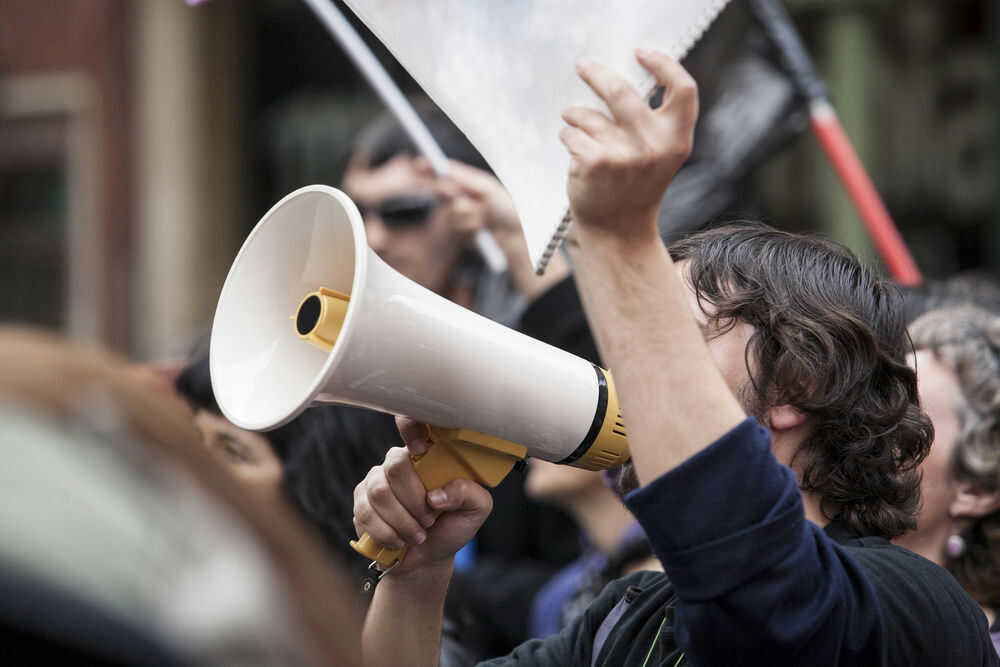
Kaden Rummler was holding a megaphone and rushing toward a federal agent during a Friday protest outside the Santa Ana federal building when the Department of Homeland Security officer fired a less-lethal projectile directly into his face. The shot, fired from just several feet away, struck Rummler’s left eye, embedding plastic, metal, and glass fragments deep into his face. Video footage captured the immediate aftermath, showing blood streaming down Rummler’s face as the agent dragged him away before handcuffing him face-down on the pavement. The 21-year-old is now permanently blind in that eye, with metal still lodged dangerously close to his carotid artery.
Peaceful Protest Turns Violent
The demonstration began as a peaceful gathering protesting the shooting death of Renee Good in Minnesota, part of ongoing national tensions over law enforcement use of deadly force. According to DHS officials, the situation deteriorated into what they characterized as a “highly coordinated campaign of violence” that injured two federal officers. The agency maintains that agents deployed force to protect themselves, not to harm protesters. However, the department has refused to specify what type of less-lethal munition was used or explain why it was fired at Rummler’s face rather than center mass, as standard crowd-control protocols typically dictate.
Questions About Justified Force
The stark contrast between DHS’s official narrative and the protester’s experience highlights a fundamental tension Americans increasingly recognize: government officials prioritizing their own protection over citizens’ constitutional rights. Legal commentators note the critical distinction between acceptable crowd control and excessive force depends on whether officers face genuine threats. Rummler approached with a megaphone, not a weapon, raising serious concerns about whether permanent disfigurement was a proportionate response. DHS wields immense enforcement power with limited accountability, while ordinary citizens challenging government actions face life-altering consequences. This power imbalance reflects broader frustrations with federal agencies that seem more focused on self-preservation than serving the American people.
Lasting Trauma and Unanswered Questions
Rummler reports reliving the shooting nightly, unable to see even light from his damaged eye. Medical experts confirmed the metal fragments near his carotid artery make his survival remarkable, suggesting the close-range facial shot could easily have been fatal. No disciplinary action against the agent has been announced, and DHS has provided no timeline for investigating whether proper protocols were followed. The incident mirrors 2020 protests in Portland and other cities where less-lethal munitions caused severe eye injuries and blindness, yet federal training and deployment policies remain largely unchanged. This pattern suggests government institutions prioritize maintaining order over protecting citizens’ rights to peacefully assemble and petition for redress of grievances.
This case represents more than one young man’s permanent injury. It exemplifies growing concerns across the political spectrum that unelected federal bureaucrats operate with impunity, deploying force against Americans while hiding behind vague justifications of coordinated violence and officer safety. Whether viewed through conservative concerns about government overreach or liberal worries about excessive force against marginalized communities, the fundamental question remains: who holds these powerful agencies accountable when their actions permanently harm citizens?