
As Washington trims its military footprint in Europe, EU leaders are quietly exploring what would have been unthinkable a few years ago: direct “potential” talks with Vladimir Putin.
Story Snapshot
- European Council President António Costa said the EU is preparing for “potential” negotiations with Putin as the Ukraine war drags on.
- Ukraine’s Volodymyr Zelenskiy has signaled support for an EU-coordinated channel, reflecting both war fatigue and shifting leverage.
- Putin publicly floated ex–German Chancellor Gerhard Schröder as a mediator, a choice widely viewed in Europe as politically toxic.
- With the U.S. reducing troop levels on the continent, pressure is rising for Europe to carry more of the security burden—and to define its own endgame.
EU Signals a New Diplomatic Track as the War Grinds On
António Costa’s comments about “potential” talks, reported after discussions among EU leaders, point to a cautious but real shift in Brussels. The EU has spent years betting that sanctions and military support for Ukraine would force Moscow to change course. Now, with the conflict still unresolved, officials are testing whether a coordinated European channel could shape any future settlement while avoiding a separate, bilateral U.S.-Russia carve-up.
Volodymyr Zelenskiy’s backing matters because it reduces the risk that European diplomacy looks like pressure on Kyiv to accept a bad deal. According to reporting tied to the Cyprus summit discussions, the idea is less “peace at any price” than preparation: aligning the positions of 27 governments before any serious negotiation window opens. That basic coordination challenge—one EU voice versus 27 national politics—has repeatedly undermined Europe’s leverage.
Putin’s Schröder Gambit Highlights Europe’s Trust Problem
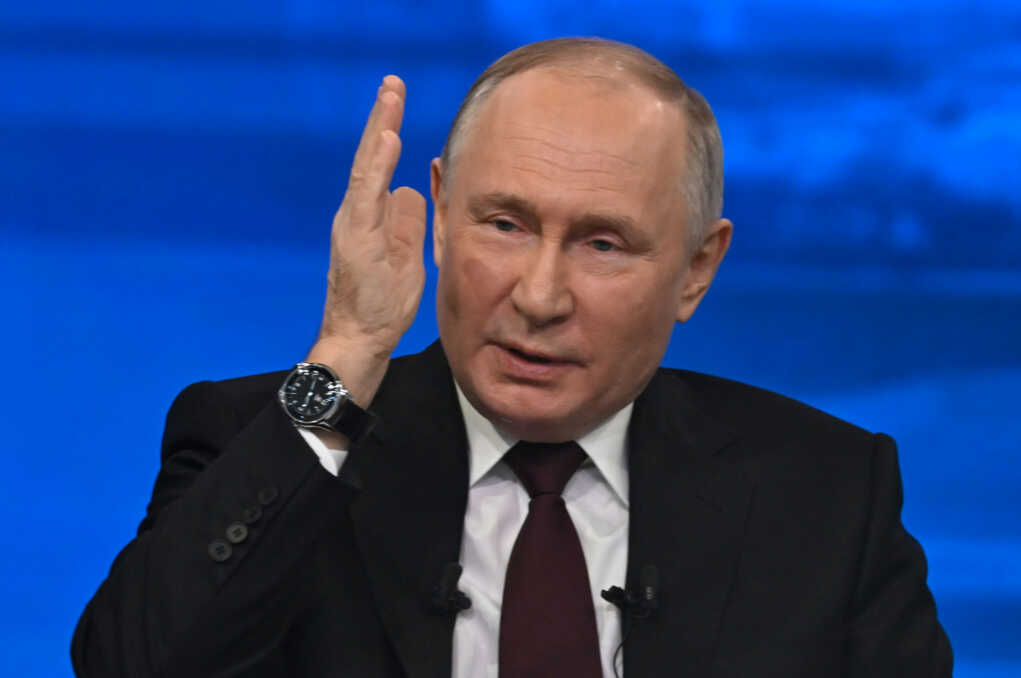
Vladimir Putin’s suggestion that Gerhard Schröder could serve as a mediator instantly exposed the core obstacle to talks: credibility. Schröder’s post-chancellorship relationship with Russian energy interests has long made him a lightning rod inside Germany and across the EU. Reporting indicates Berlin rejected the idea, underscoring how hard it will be to build a negotiating format that Europeans view as legitimate and that Ukrainians view as secure.
Russia’s message, as echoed by Kremlin statements, is that it is open to dialogue but expects the EU to take the first step. That framing is politically convenient for Moscow because it can cast Europe as the party that must “come to the table,” even while many EU officials remain skeptical that Russia’s demands have changed in any meaningful way. With no talks scheduled, the current phase looks more like probing and signaling than a concrete diplomatic process.
U.S. Troop Reductions Raise the Stakes for European Self-Reliance
The timing is not accidental. As U.S. policy reduces troop levels in Europe, the EU faces a harder reality: deterrence is expensive, and the American security umbrella is not unlimited. For conservatives who favor burden-sharing and an “America First” approach, Europe’s scramble is a predictable result of years of underinvestment and political hesitation. For many Europeans, it is also a wake-up call that strategic dependence has consequences.
What to Watch: Unity, Terms, and Whether Talks Become Leverage or Liability
The next question is whether Brussels can define a negotiating position that holds together under pressure from events on the ground. Some European publics increasingly favor talks, while others—especially states closest to Russia—fear that negotiations could reward aggression. A serious process would likely hinge on verifiable ceasefire terms and security guarantees, yet available reporting indicates deep skepticism remains because prior ceasefire signals have not held.
EU Prepares For 'Potential' Talks With Putin As US Slowly Reduces Troops On Continent https://t.co/cRdfKwzizA
— zerohedge (@zerohedge) May 11, 2026
For Americans watching from across the Atlantic, the lesson is straightforward: when allies lack capability and cohesion, adversaries gain options. EU-led diplomacy could, in theory, help end a brutal conflict and stabilize markets, but only if it avoids papering over core disputes and only if Ukraine’s sovereignty remains central. Until a credible format and agenda emerge, “potential talks” should be read as a sign of strain—and of a shifting balance inside the Western alliance.
Sources:
Putin named the best mediator for negotiations between the EU and Russia
“Horse’s move”: Berlin refused Putin an acceptable negotiator from the EU
Europe ‘Putin talks’ Ukraine war: Western unity cracks
EU prepares for ‘potential’ talks with Vladimir Putin: FT
EU prepares for potential talks with Putin — report
EU prepares for potential talks with Putin, FT says