

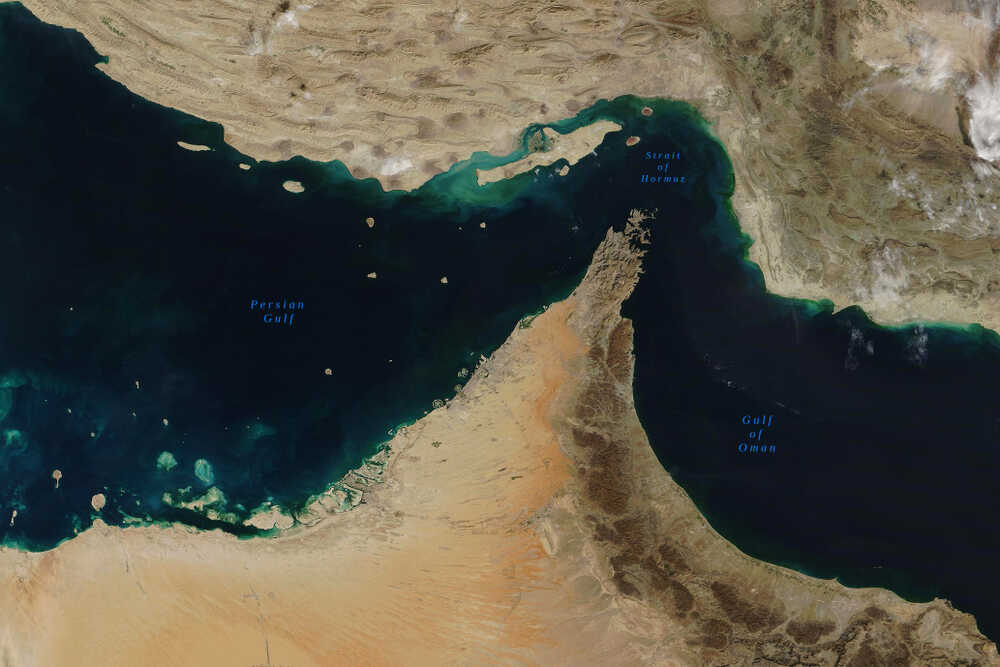
Iranian state media’s claims of forcing US Navy destroyers to retreat from the Strait of Hormuz crumbled when American warships sailed through unimpeded while commercial cruise ships continued their routine passages, exposing Tehran’s propaganda machine as little more than theater for domestic consumption.
Story Snapshot
- Iranian media released unverified videos claiming US destroyers retreated after IRGC warnings and missile lock-ons in the Strait of Hormuz
- US officials confirmed USS Michael Murphy and USS Frank E. Petersen Jr. transited successfully during freedom-of-navigation operations and mine-clearing missions
- Commercial vessels including cruise ships passed through the strait under Iranian regulations, contradicting Tehran’s narrative of total control
- Iran-linked ghost ships employing spoofing tactics emerged as the regime’s actual strategy, mirroring Russian shadow fleet deception techniques
Iranian Propaganda Machine Backfires
The Islamic Revolutionary Guard Corps Navy released drone footage and standoff videos claiming their forces compelled US Navy destroyers to turn back from the Strait of Hormuz after issuing 30-minute warnings and achieving missile lock-ons. Iranian state outlets Press TV and IRGC-affiliated media broadcast these assertions as proof of Tehran’s “full control” over the critical waterway. Three US officials contradicted these claims entirely, confirming to multiple outlets that both destroyers completed their transit without incident, coordination, or interference. President Trump dismissed Iranian threats outright, mocking their mines and small boat tactics while announcing the blockade continuation.
Commercial Traffic Undermines Control Narrative
While Iranian military commanders threatened to attack unauthorized military vessels within 30 minutes, they simultaneously permitted non-military ships to pass through under established regulations. This dual approach exposed a fundamental contradiction in Tehran’s claimed dominance over the strait. Commercial cruise ships and cargo vessels continued routine transits, creating an awkward reality where civilian traffic flowed freely even as state media portrayed military standoffs. US Central Command publicized a “safe pathway” for commercial shipping following their mine-clearing operations, encouraging international commerce to continue despite Iranian posturing and propaganda efforts.
Shadow Fleet Tactics Replace Direct Confrontation
Maritime intelligence experts identified a surge in ghost ship activity as Iran shifted from theatrical military displays to covert deception operations. Six Iran-linked vessels attempted to breach the US blockade but turned back when confronted, according to tracking data. These ships employed location spoofing techniques identical to those used by Russian shadow fleets evading Ukraine-related sanctions since 2022. The tactics raise collision risks and disrupt commercial tracking systems while allowing Tehran to sustain oil revenue streams without direct military engagement. This approach acknowledges the conventional superiority of US destroyers over IRGC fast boats and drones.
Strategic Implications for Global Energy
The Strait of Hormuz handles approximately 20 percent of global oil traffic through its 21-mile-wide chokepoint, making any disruption economically significant worldwide. Short-term implications include heightened risks of miscalculation from spoofing confusion and increased insurance costs for shipping firms. Long-term consequences could entrench deceptive maritime practices as standard asymmetric warfare tools, similar to post-2022 Russian operations. Gulf states like the United Arab Emirates face disrupted port operations at facilities such as Fujairah, while Iranian oil buyers confront revenue cuts from the tightening blockade. The successful US transit during Pakistan-hosted ceasefire talks demonstrates Washington’s determination to maintain navigation freedom regardless of diplomatic efforts.
The contrast between Iranian propaganda videos and verified US operational success reveals a regime more concerned with saving face domestically than achieving actual military objectives. For Americans frustrated with government inefficiency and deception from all quarters, this incident illustrates how authoritarian regimes manufacture false narratives when reality refuses to cooperate. Tehran’s willingness to allow cruise ships through while claiming to repel warships demonstrates the absurdity underlying much international posturing, reminding citizens to demand verification before accepting any government’s claims at face value.
Sources:
US destroyers transit Strait of Hormuz despite Iranian threats – The Jerusalem Post
Ghost ships, spoofing tactics test US in Hormuz – Gulf News