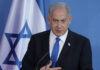


A surprise diplomatic mission in Israel has exposed deep rifts between U.S. and Israeli leaders, with American officials demanding full transparency on Gaza aid as famine fears surge and taxpayers demand results.
At a Glance
- Trump’s Middle East envoy arrives in Israel for urgent Gaza talks
- U.S. officials plan first direct assessment of Gaza’s crisis since escalation
- White House publicly challenges Israeli claims on Gaza’s famine status
- International groups warn of mass starvation amid deadlocked peace talks
- U.S. taxpayer aid under heightened scrutiny as conflict drags on
Envoy Lands: American Oversight Intensifies
Steve Witkoff, President Trump’s special envoy to the Middle East, landed in Tel Aviv this week on a mission to confront the growing crisis in Gaza. Unlike past diplomatic visits, Witkoff is joined by U.S. Ambassador Mike Huckabee and will press for firsthand answers about how American aid is being used on the ground. Plans include an unprecedented visit to Gaza—signaling that the White House expects hard evidence and measurable results, not vague assurances or endless bureaucracy.
The timing is crucial. Recent reports indicate a surge in Palestinian deaths linked to restricted food supplies, while ceasefire negotiations have collapsed amid renewed hostilities. As Israeli and Hamas officials trade accusations, the new U.S. delegation is seeking clarity: Is humanitarian aid reaching those who need it, or is it fueling another cycle of crisis with no clear end?
Watch now: Gaza Humanitarian Crisis: What’s Really Happening? · YouTube
Famine Dispute Sparks Diplomatic Rift
A dramatic public disagreement has emerged between President Trump and Prime Minister Benjamin Netanyahu over the situation in Gaza. Trump’s recent statements acknowledge “real starvation” among Gaza’s population, challenging Israeli officials who deny famine conditions exist. This rare split among allies is sending shockwaves through diplomatic channels and raising urgent questions about the accuracy of official reports.
The White House insists the current U.S. mission is humanitarian—focused on transparency and accountability for American aid. Press Secretary Karoline Leavitt underscored the demand for facts over politics, stating that support for further negotiations hinges on verifiable change. Trump has also emphasized that hostage releases by Hamas remain a prerequisite for any expanded talks, reinforcing a policy shift away from open-ended commitments.
Stalled Ceasefire, Surging Aid—But Little Change
The breakdown of ceasefire talks in Qatar last week has worsened the humanitarian crisis on the ground. Food deliveries into Gaza have decreased, and aid agencies report mounting deaths, particularly among children. Despite these warnings, the only significant movement has been additional American aid—prompting growing calls for better oversight and measurable impact.
Gaza’s population, now estimated at 2.1 million, remains trapped by a long-standing blockade and devastated infrastructure. International organizations continue to sound alarms over the risk of famine, yet the cycle of appeals for more aid, met with political inertia, persists. U.S. officials argue that without enforceable benchmarks and independent assessment, future assistance may face new restrictions.
Accountability or Business as Usual?
The current American approach signals a shift from previous administrations, with direct demands for results attached to any continued funding. For the people of Gaza, the outcome could mean either renewed flows of vital aid or even deeper hardship if oversight concerns are not addressed. For U.S. taxpayers, the focus is now on ensuring their contributions support genuine humanitarian relief, not unchecked spending or political stalemates.
With the diplomatic spotlight now fixed on Gaza and a new standard for aid accountability, global attention is turning to whether this latest intervention can break the cycle of crisis—or if, once again, promises of change will give way to familiar disappointment.