
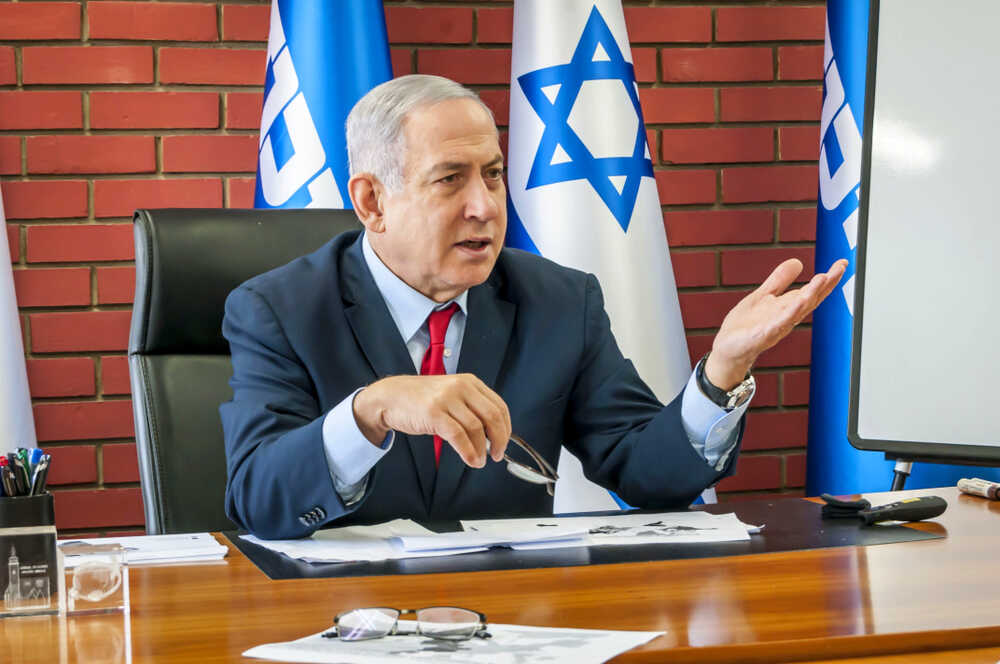
Israel has issued an official apology after a deadly airstrike hit a Catholic church in Gaza, intensifying international scrutiny of military operations in the region. The strike occurred shortly after a phone call between Israeli officials and President Trump, prompting speculation about the possible connection between the communication and the tragic incident.
At a Glance
- A Catholic church in Gaza was struck by Israeli airstrikes, resulting in civilian casualties.
- The Israeli government publicly apologized for the incident.
- The airstrike took place soon after a phone call involving President Trump and Israeli leadership.
- The event has sparked widespread international concern and condemnation.
- Questions remain about the decision-making and targeting procedures in the Israeli military.
Rising Tensions After High-Level Contact
The deadly strike on the Gaza Catholic church marks a significant escalation in the volatile Israeli-Palestinian conflict. Reports indicate that the airstrike killed multiple civilians, including churchgoers seeking refuge. The Israeli government’s swift apology acknowledged the strike was a mistake, emphasizing efforts to investigate and prevent such tragedies in the future.
This incident has deepened tensions between Israel and international communities advocating for civilian protection in conflict zones. The timing of the strike—occurring shortly after a phone call with President Trump—has fueled debate about the influence of political communications on military actions. Critics argue that rapid, high-stakes diplomatic exchanges may inadvertently contribute to operational errors.
Watch a report: Israel Apologizes for Deadly Gaza Church Strike on KHQ
Global Repercussions and Calls for Accountability
The strike has prompted calls for a thorough, independent investigation from human rights organizations and governments worldwide. Many demand clarity on how a civilian religious site was targeted and urge accountability for the loss of innocent lives. The incident also highlights the complex challenges of conducting military operations in densely populated areas.
Israel’s apology, while significant, may not fully quell international outrage. The church strike underscores the ongoing risks to civilians amid armed conflict and the urgent need for stringent measures to safeguard non-combatants. The global community is watching closely, demanding transparency and respect for humanitarian laws.
This event contributes to growing scrutiny of military conduct and foreign policy in the Middle East, with lasting implications for regional stability and international diplomacy.