

Nvidia’s CEO refused a Senate request to answer questions about China chip sales and national security, putting the spotlight on who safeguards America’s AI edge.
Story Snapshot
- Nvidia CEO Jensen Huang declined to testify at a Senate hearing on AI and China export controls.
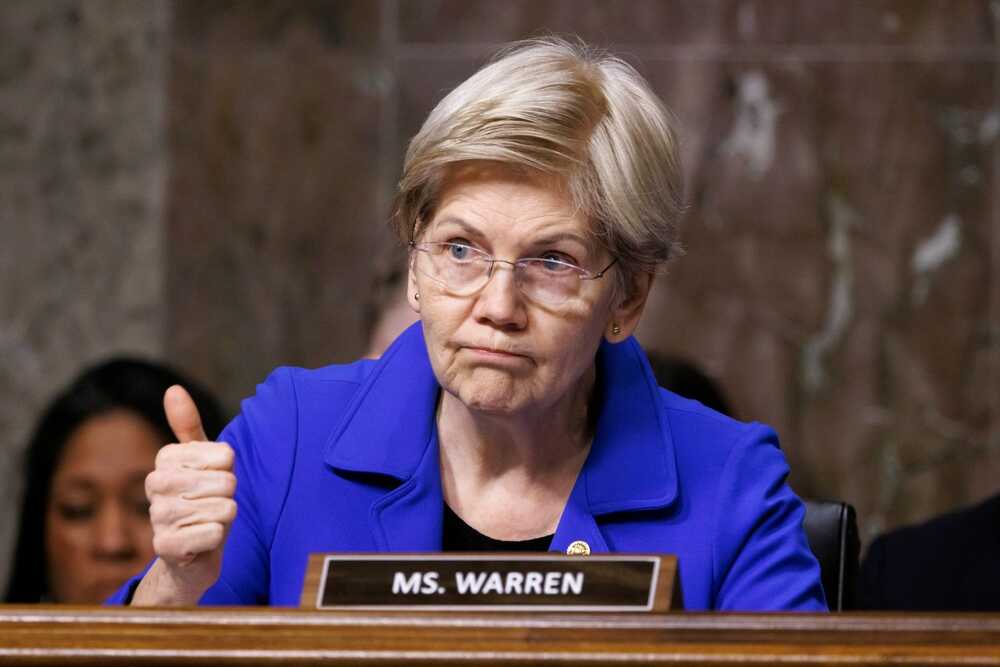
- Senator Elizabeth Warren says potential chip sales to China raise national security risks.
- Lawmakers increased scrutiny of Nvidia’s China exposure and export compliance.
- Evidence of actual chip diversion is alleged but not publicly proven in records so far.
Senate Scrutiny Zeroes In On China Exposure
Senators increased pressure on Nvidia over its work in China and how U.S. export rules are followed. The Senate Banking Committee scheduled a hearing on artificial intelligence and the American economy. The request came from Senator Elizabeth Warren, who raised national security concerns tied to advanced chips. She asked for answers on whether U.S. technology might strengthen China’s military. The committee framed the issue as risk control for the country’s most powerful computing tools.
Nvidia dominates artificial intelligence computing and sells hardware worldwide. That reach brings lawmakers’ focus to how export limits work in practice. The question is simple but serious: do sales or third‑party routes let advanced chips end up in China anyway. Warren and others argue Congress must understand the risk and close any gaps. They want clarity on compliance, destination screening, and any resellers. The hearing sought public answers under oath to guide policy.
Huang Declines To Testify, Warren Demands Answers
Nvidia CEO Jensen Huang declined Senator Warren’s request to testify, citing schedule conflicts, according to news reports. That refusal hardened calls for oversight from some lawmakers, who say the public deserves direct answers. Warren stated Huang should explain any role his company may have played in undermining national security. She tied potential chip access to China with the risk of boosting military capabilities. Her office released a statement after Huang’s decision not to appear.
Warren’s statement said advanced computing chips help train and run powerful artificial intelligence systems. She argued that China could use such systems for surveillance, cyber tools, and battlefield gains. She pressed for details on sales channels, export screening, and enforcement. Her statement also criticized past export control decisions and alleged loopholes. However, her broader claims about diverted chips lacked publicly cited forensic proof in the available record. That gap leaves room for further inquiry and audits.
What Is Established, What Is Not
Congressional concern and a formal request for testimony are clear facts on the record. Huang’s declination and Warren’s sharp warning about national security are also documented. The claim that chips were diverted to China through third countries remains an allegation. The public record presented so far does not include a customs audit, a Bureau of Industry and Security case file, or named enforcement actions proving diversion. Without those files, the debate turns on precaution, not confirmed incidents.
Senior military voices are referenced in news coverage as warning about risks from advanced chips. But those references do not cite named officers or official documents in the materials at hand. That weakens the claim’s weight even if the concern is plausible. For now, the strongest ground for action is the clear strategic value of advanced chips and the need to stop hostile military use. That is a conservative, common‑sense principle backed by bipartisan instincts to protect the homeland.
How Conservatives Should Read This Fight
Guardrails on powerful chips are a national defense issue, not a culture war stunt. The Trump administration must ensure export rules are clear, enforced, and free of loopholes. Congress should demand verifiable data, not just headlines. That means case numbers, seizure records, and company compliance reports. It also means swift penalties for violators. The goal is simple: deny adversaries the tools to target our troops, hack our grids, or watch our families without consent.
United States Senator Elizabeth Warren (D-Mass.) urged the Department of Defense, along with Google, SpaceX, NVIDIA, Reflection, Microsoft, Amazon Web Services, and Oracle for answers regarding the department’s use of AI in military operations and … https://t.co/0HZGoGIkED pic.twitter.com/EoaHsMk3ZL
— Irish Star US (@IrishStarUS) July 8, 2026
At the same time, America must out‑innovate China here at home. Strong export enforcement and strong domestic innovation go together. Nvidia’s ecosystem and many U.S. startups are vital engines for that race. Policymakers should protect this edge with tax relief, faster permits, and secure supply chains. They should also keep hearings focused on facts, not theater. When leaders set tight rules and back builders, the country stays safe and leads in technology.
Sources:
pjmedia.com, nbcnews.com, dailymotion.com, x.com