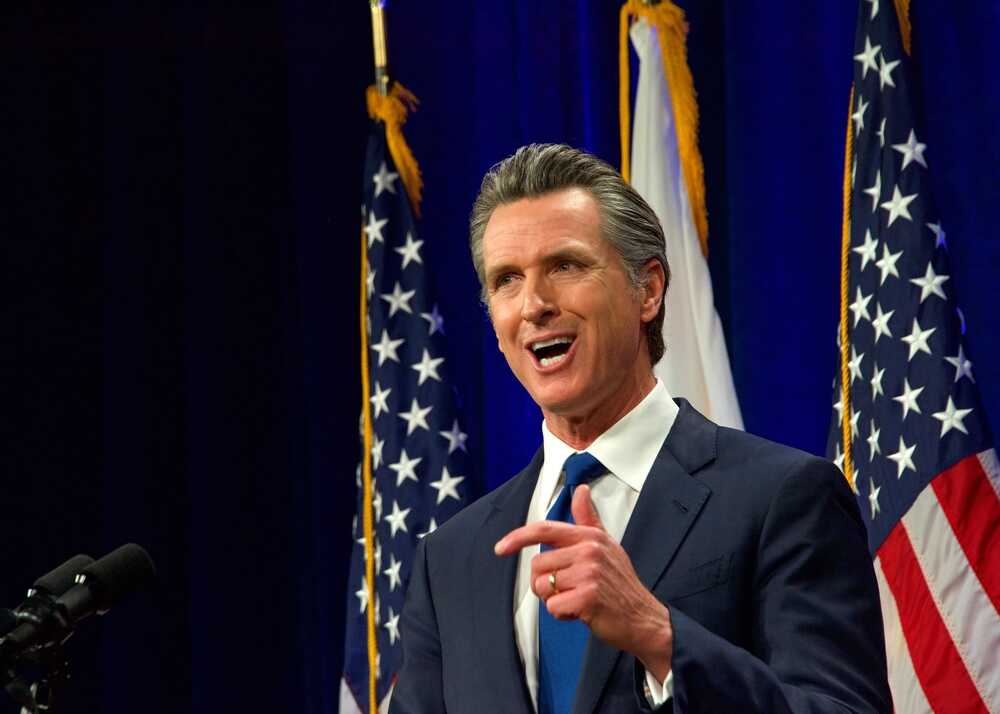
California Gov. Gavin Newsom used a July Fourth proclamation to push a sharp election message, and it lands squarely in the middle of the fight over ballot security and federal power.
Quick Take
- Newsom issued an official proclamation declaring July 4, 2026, “Independence Day” in California.
- The proclamation echoes Founding Fathers language and frames freedom as a current political fight.
- Newsom also said he wants a law making unlawful ballot seizure a felony.
- Media coverage tied the message to President Donald Trump and called the address “tiresome.”
Newsom Revives Independence Day Messaging
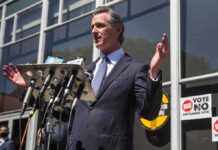
Governor Gavin Newsom issued a proclamation on July 1 declaring July 4, 2026, “Independence Day” in California. The official text says Americans should remember the founders who stood up to tyranny and built a nation around equality, freedom, and opportunity. Newsom has used the same holiday tradition in past years, which makes this a familiar move, but the language again carries a clear political edge.
That edge matters because Newsom is not treating the holiday as a simple ceremony. In a 2025 Independence Day message, his office said, “Today, we recognize the values our Founding Fathers envisioned,” while also warning against tyranny. The newer proclamation repeats that theme and says California must recommit to the country’s founding ideals. For readers frustrated with nonstop partisan theater, the message is hard to miss.
Ballot Seizure Becomes The Real Flashpoint
The bigger story is Newsom’s push to make unlawful ballot seizure a felony. ABC 10 reported that he plans to unveil an election proposal and called it a “declaration of election independence”. In the same coverage, Newsom tied the plan to protecting California’s election system from federal interference and linked the threat to former President Donald Trump. That is the part that turns a holiday statement into a political weapon.
Supporters will say election rules deserve teeth, especially if officials believe ballots are being handled unlawfully. California already says it values trusted election information and election security. But Newsom’s framing raises a bigger constitutional question: how far can a governor go when he uses symbolic language to promote new criminal penalties? The proclamation itself is ceremonial. The felony proposal would need real legislative action before it changed anything.
Trump, Media Spin, And The Missing Transcript
Newsom’s remarks also arrived with the usual Trump fight already built in. Reporters said the governor wants the new effort to answer election manipulation and deniers, while other coverage quoted him saying California will never again allow the country to be subject to a king or autocrat. That language invites a national audience and keeps Trump at the center of the stage, whether or not the substance matches the drama.
Gavin Newsom plans another Trump-bashing July 4 speech, this time pushing to make ballot seizures a felony after a GOP sheriff investigated 2024 election irregularities in Riverside County. Trump called… #California #Election2024 #GavinNewsom #Trumphttps://t.co/ZygGguLb8B
— @GlobalRightWatch (@AutonomusRepost) July 3, 2026
There is also a notable gap. The proclamation is public, but the full July 4 address the media keeps teasing was not available in the research package. That matters because the speech is where Newsom could spell out the legal details, the evidence for his claims, and the exact scope of the felony bill. Without that transcript, readers are left with a polished message and a lot of political smoke.
Why Conservatives Should Pay Attention
This story is not just about Newsom being Newsom. It shows how blue-state leaders can use patriotic holidays to market bigger government and tighter election control. When a governor ties “independence” to new criminal penalties and federal conflict, conservatives should watch for the same pattern elsewhere. The real fight is not the holiday language. It is whether state officials use fear and symbolism to expand their power while claiming to defend democracy.
That is why the rollout matters. Newsom’s proclamation sounds ceremonial, but his election proposal is not. If California turns ballot seizure into a felony, the state will say it is protecting voters. Critics will see another layer of control wrapped in patriotic language. Either way, the July Fourth message is less about fireworks and more about who gets to define election integrity in the first place.
Sources:
nypost.com, einpresswire.com, facebook.com, youtube.com