

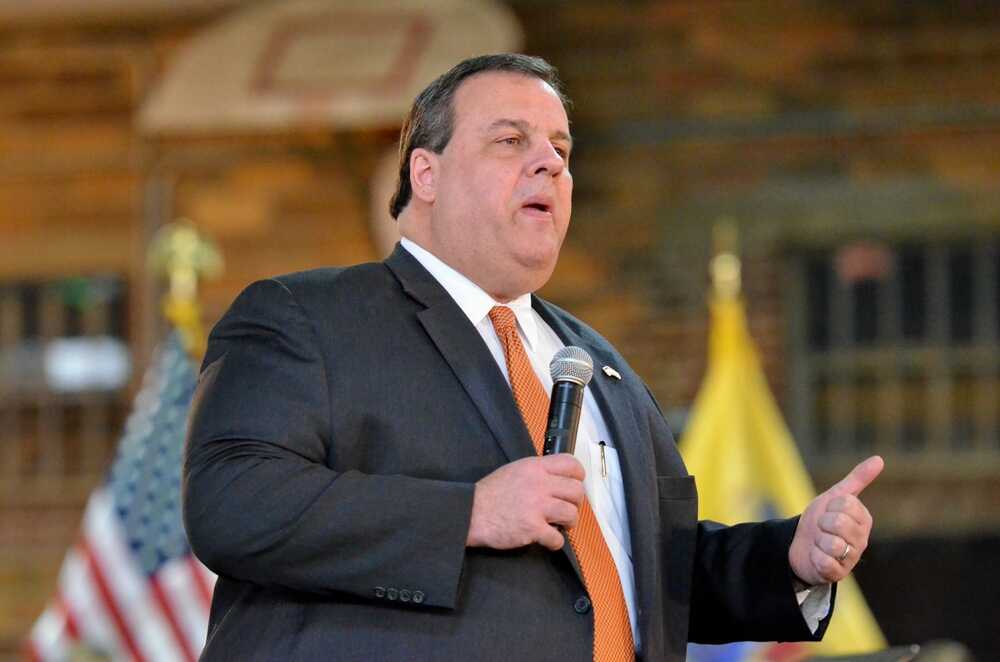
Chris Christie is loudly predicting a “monumental defeat” for Republicans in 2026, but the actual numbers and history tell a very different story about what conservatives can still control if we stay focused and show up.
Story Snapshot
- Chris Christie claims Republicans are headed for a huge loss in the 2026 midterms, with Democrats favored in the House and competitive in the Senate.
- Polls and prediction markets do show Democrats slightly favored for the House, but the margins are narrow and far from a guaranteed landslide.
- History says the president’s party usually loses some seats in midterms, yet the scale of losses depends on approval ratings and turnout, not media narratives.
- Christie’s warning is opinion without district-level proof, while Republicans still hold issue and fundraising strengths that can blunt expected midterm losses.
Christie’s ‘Monumental Defeat’ Warning
Former New Jersey Governor Chris Christie told comedian Hasan Minhaj on the “Hasan Minhaj Doesn’t Know” podcast that Republicans are “on our way to a monumental defeat as a party in the 2026 midterms.” He went further, saying he thinks Democrats “will win the House” and now have a “better chance at the Senate” than he once believed, based on how he reads the current political map. Clips of the interview were quickly amplified by outlets like The Hill and Mediaite, turning his warning into a headline narrative about looming disaster for the GOP.
Christie framed the loss as a needed “reckoning” that would force Republicans to “listen to the truth” and rethink “the things that led to the losing,” a clear swipe at the Trump wing of the party. He admitted many Republican voters “do not want the truth right now,” suggesting the base is in denial and hinting that defeat would push them toward different leaders and ideas. That message plays neatly into a long-running media storyline that blames conservative populism, border crackdowns, and fights over woke agendas for any GOP trouble, instead of looking at deeper structural forces and turnout battles.
What The Polls And Markets Really Show
Polling four months before the 2026 midterms shows Democrats holding a lead on the national House ballot, enough to make control of the chamber a real fight. One Newsweek analysis reported Democrats favored in generic House polls and noted that prediction markets were giving Democrats roughly three-in-four odds to flip the House. A Brookings study found Democrats up about four points on the generic ballot compared with a Republican edge in 2024, implying a swing large enough for Democrats to gain around a dozen seats and reach a narrow majority.
Prediction markets like Kalshi and Polymarket track this sentiment by letting traders bet on outcomes based on polls, fundraising, and news. Recent snapshots have shown high odds on a Democratic House, but much weaker odds for a full “blue wave” that sweeps both chambers. In other words, markets see a competitive environment, not an automatic wipeout. Analysts at the Niskanen Center note that generic ballot polls are useful but can still swing by many points before Election Day, and even an eight-point lead today might translate into a far smaller edge or even a reversal once campaigns fully engage and voters tune in.
History Says Losses, Not Necessarily Collapse
Nonpartisan research on midterms shows a simple pattern: the president’s party almost always loses some House seats in the middle of a term. That pattern has held for decades, driven more by mood and presidential approval than by one speech or one candidate’s brand. Brookings points out that there is “no modern precedent” for a president’s party avoiding House losses unless job approval is well above 50 percent, which is not the case for Trump’s second term. So yes, some Republican losses are expected, but calling it “monumental” stretches the evidence.
Fundamental forecasting models reviewed in election research show two big drivers of midterm results: approval of the president and the direction of public opinion on policy. When voters feel government is drifting left or spending too much, they move toward Republicans, even in a midterm year. When they sour on the president personally, they tend to favor the other party, but the size of that shift depends heavily on economic strain, war fatigue, and whether one side motivates its base better. That means voter anger over inflation, border chaos, and globalist distractions can still fuel strong Republican turnout, even if Trump’s approval is under water.
Where Christie’s Argument Is Thin
Christie’s forecast rests mainly on his personal judgment, not detailed district-by-district data or a formal model. Throughout the podcast he repeats “I think” before each major claim, signaling opinion rather than a data-backed projection. He does not cite Cook Political Report race ratings, specific polling in swing districts, or any Senate seat math to prove a “monumental” scale of losses. That gap matters because experts warn against reading too much into national numbers when House control can shift on a handful of closely fought seats.
He also links the supposed coming defeat directly to Trump’s influence and the party’s refusal to “hear the truth,” but offers no hard proof that Trump is the main reason Republicans might lose seats. There is no internal party research, no turnout models, no comparison to earlier cycles with similar approval numbers. By contrast, a separate overview of the 2026 midterms notes Republicans still dominate key issues like border security and enjoy a fundraising edge heading into the campaign, signs that the party has real tools to fight back. That suggests Christie’s message fits his long-standing feud with Trump more than a neutral read of the data.
Media Echo Chamber And Conservative Response
National outlets and social accounts quickly turned Christie’s comments into a rallying cry for Democrats and anti-Trump Republicans: headlines framed his statement as a blunt warning that the GOP is “on their way” to defeat and must change course. Some liberal voices online celebrated the idea of making Republicans “regret every single gerrymandered district,” urging maximum turnout to turn a narrow polling edge into a wave. Washington Post’s Facebook feed reminded readers that the president’s party “usually loses in the midterms,” using history as a backdrop to treat Christie’s claim as almost common sense.
The Hill: Former New Jersey Governor Chris Christie (R) predicted during a podcast appearance this week that Republicans are headed for a “monumental defeat” in the upcoming midterm elections that could force a reckoning within the party.
“I think we’re on our way to a… pic.twitter.com/HmAXdAisJn
— Politics & Poll Tracker 📡 (@PollTracker2024) July 3, 2026
For conservatives, the lesson is not to panic over a media-friendly soundbite but to recognize the real stakes. History says we will likely lose some ground in the House, yet that does not require surrender or a civil war inside the party. It calls for sharper focus on border security, energy costs, and government overreach, plus serious turnout work in the tight districts that will decide control. Christie’s alarm may energize our opponents, but it does not decide the election; informed, motivated voters still do.
Sources:
feedpress.me, mediaite.com, instagram.com, facebook.com, polymarket.com, brookings.edu, britannica.com, niskanencenter.org