
A former Obama official went on CNN and accused Trump of scaring Muslim and Black Americans away from the polls — but a fellow CNN analyst on the same panel called it “wild speculation.”
Quick Take
- Nayyera Haq, a former Obama administration official, told CNN that Trump created an “intimidating environment” for Muslim and Black voters — but offered no hard data to back it up.
- A CNN analyst on the same panel pushed back, calling her claim “wild speculation” for assuming she knows how millions of voters feel.
- A Colorado court later rejected a similar voter intimidation lawsuit, ruling that door-to-door election integrity work did not constitute intimidation.
- Poll watching is legal under federal law — the line is crossed only when watchers directly confront or threaten voters.
What Haq Said on CNN
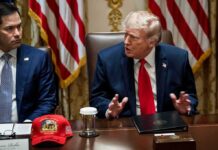
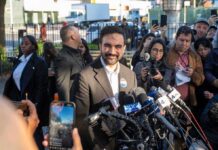
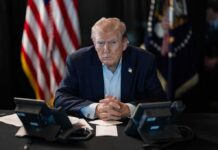
During a CNN NewsNight panel, Nayyera Haq — a former official in the Obama administration — accused Trump of creating an “intimidating environment” for Muslim and Black Americans to vote. Haq described herself as “a Muslim woman with Brown skin and a Black family” and said Trump’s rhetoric made voters afraid. She also linked her concern to a Trump TV address where he accused China of stealing voter data from 220 million Americans.
Haq’s claim drew an immediate challenge from a CNN analyst right there on the panel. The analyst called her assertion “wild speculation,” saying she had no basis for claiming she knew how millions of Muslim and Black voters felt. No polling data, no turnout statistics, and no documented incidents of intimidation tied directly to Trump’s words were presented during the segment. The claim rested entirely on Haq’s personal experience and her reading of the political climate.
Courts and Legal Experts Push Back
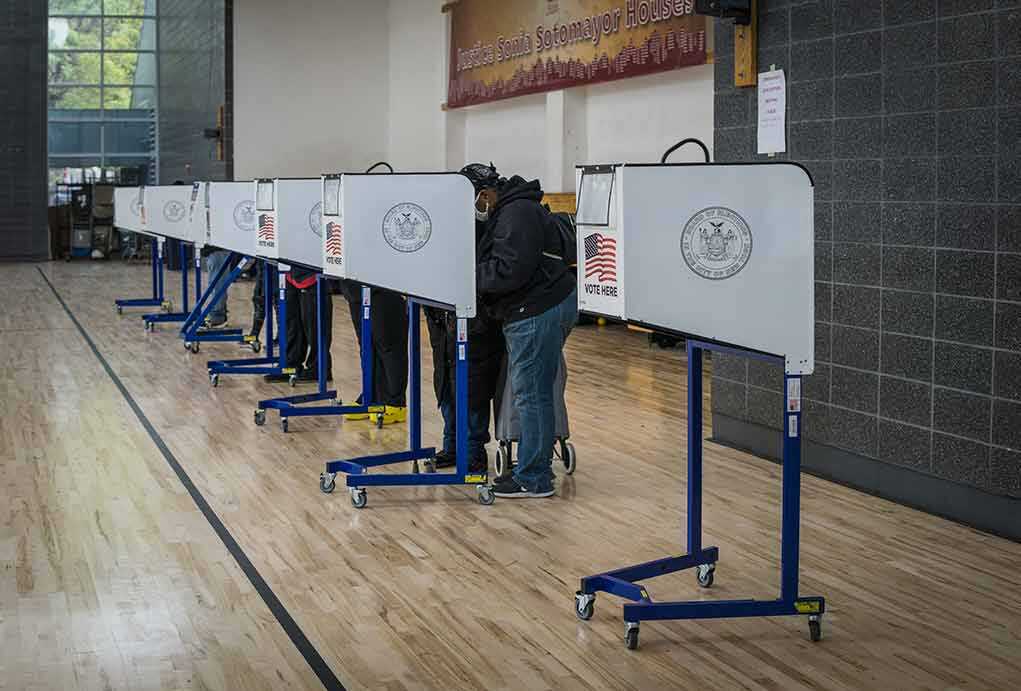
Poll watching — having supporters observe voting at polling places — is legal. Federal law only draws the line when someone directly confronts, threatens, or coerces a voter. Trump encouraged his supporters to show up at polling stations and watch the process. Critics called it intimidation. But legal experts noted that simply being present, while potentially unsettling, does not automatically break the law.
A Colorado judge made that distinction clear in a separate case. A court threw out a lawsuit claiming that Trump supporters who went door-to-door investigating voter fraud had intimidated minority voters. The judge ruled their conduct did not meet the legal standard for voter intimidation. That ruling matters — it shows courts are not willing to rubber-stamp every accusation of intimidation just because someone felt uncomfortable.
BS BRIEF: A CNN NewsNight panel erupted Friday after former Obama administration official Nayyera Haq argued President Trump has created an “intimidating environment” for Muslim and Black Americans when it comes to voting, prompting immediate pushback from conservative radio host…
— Common Sense with Chad Law (@chadparkerlaw) July 18, 2026
Why the “Speculation” Label Sticks
The core problem with Haq’s claim is the absence of evidence. No community leaders, election officials, or affected voters were named to back up the assertion. No civil rights groups — not the National Association for the Advancement of Colored People (NAACP), not the Council on American-Islamic Relations (CAIR), not the American Civil Liberties Union (ACLU) — issued public statements specifically endorsing her 2020 intimidation claim. History adds another reason for skepticism. A 2008 case involving New Black Panthers at a Philadelphia polling place generated massive media coverage about voter intimidation — but the data never confirmed widespread suppression actually occurred.
The Bigger Picture for Voters
Voter intimidation is a real crime under federal law. Physically blocking a polling place, threatening voters, or using force to stop someone from casting a ballot are all illegal and should be prosecuted. But labeling legal poll watching as “intimidation” — with no documented incidents and no supporting data — muddies those waters. It turns a serious legal concept into a political talking point. Conservative voters who show up to observe elections lawfully should not be smeared as criminals based on feelings and speculation alone.
Sources:
mediaite.com, youtube.com, dailywire.com, truthout.org, campaignlegal.org