

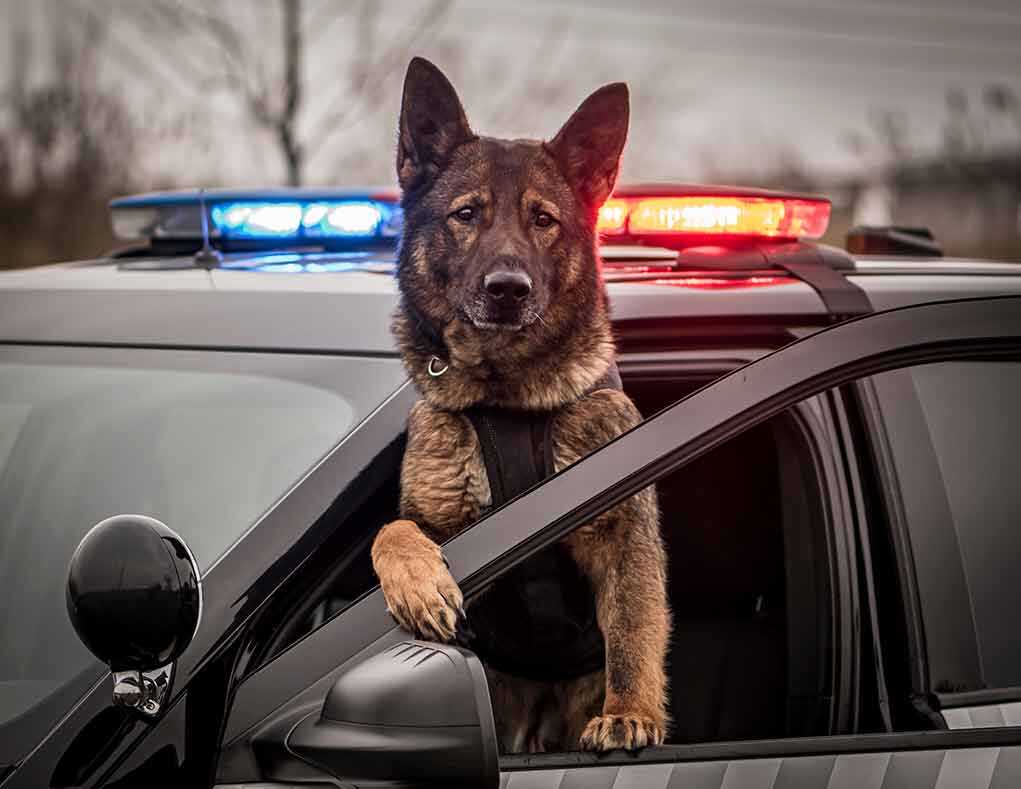
After a 40-minute standoff, body camera video shows police K-9 Midas leaping through a driver’s window to end the siege in seconds.
Story Highlights
- Vancouver police say the driver ignored commands for more than 40 minutes before K-9 Midas was deployed.
- Body and dash camera footage shows the dog entering through the driver’s window to help officers arrest the suspect.
- Vancouver’s K-9 policy permits canine apprehension after clear warnings and when a suspect resists arrest.
- The incident spotlights how trained police dogs can resolve dangerous standoffs without gunfire.
What Police Say Happened During the Standoff
Vancouver, Washington police released body and dash camera video from a July 26 incident that shows a tense stop stretching to more than 40 minutes. Officers say a suspected impaired driver refused repeated, clear commands to surrender. After multiple warnings, the team deployed K-9 Midas through the driver’s side window. The dog’s entry let officers move in and end the standoff, leading to the driver’s arrest without gunfire, according to the department’s account and the released footage.
Police described steady efforts to gain compliance before using the dog. The video shows officers giving commands and time to respond. When the driver still did not surrender, Midas was sent in to break the stalemate. The dog’s rapid action appears to have reduced risk to the public and to officers by stopping the driver’s resistance inside the vehicle. The department says the driver was taken into custody soon after Midas made entry through the window.
How Vancouver’s K-9 Policy Frames Canine Use
Vancouver’s written K-9 policy explains when a police service dog can be used to find and detain suspects. The manual directs officers to give loud warnings, state that a bite may occur if orders are not followed, and wait a reasonable time for surrender before deploying the dog. It authorizes canine apprehension when a suspect has committed a crime, resists arrest, or poses a threat, and when a dog is needed to overcome resistance and end the danger safely.
The city’s public K-9 unit page reinforces that dogs assist with suspect apprehension and scene safety. The unit outlines training standards and handlers’ roles during searches and arrests. The policy and public guidance aim to set clear steps: issue warnings, allow time, then use the least force needed to resolve the situation. The July 26 video aligns with that sequence, as officers warned, waited, and then used the dog when the driver still refused to surrender, according to police.
Why This Tactic Matters for Public Safety
This case shows how a trained police dog can end a drawn-out, risky impasse without shots fired. Long standoffs raise danger for everyone nearby. A suspect behind a wheel can still flee or fight. Police say canine deployment here cut the risk window and let officers secure the driver fast. That outcome protects families on the road, supports order on the streets, and backs the rule of law when a suspect will not comply after many warnings and chances to surrender.
. ……….Newly released bodycam and dashcam footage from the Vancouver Police Department in Washington shows a police K-9 leaping directly through a driver's side car window to end a tense 40-minute standoff with a driver who refused to surrender.
Police originally responded on…
— JV (@joveg8) August 7, 2026
Police K-9 use also draws scrutiny, so policy discipline matters. Vancouver’s manual requires clear commands and a real need before using a bite. Those steps help ensure canine force is targeted, lawful, and tied to resistance, not compliance. When followed, such rules let officers stop dangerous behavior while limiting harm. The July 26 footage, as described by police and shown in the release, presents an example of that approach in practice during a high-stress stop.
Sources:
facebook.com, cityofvancouver.us, police1.com