

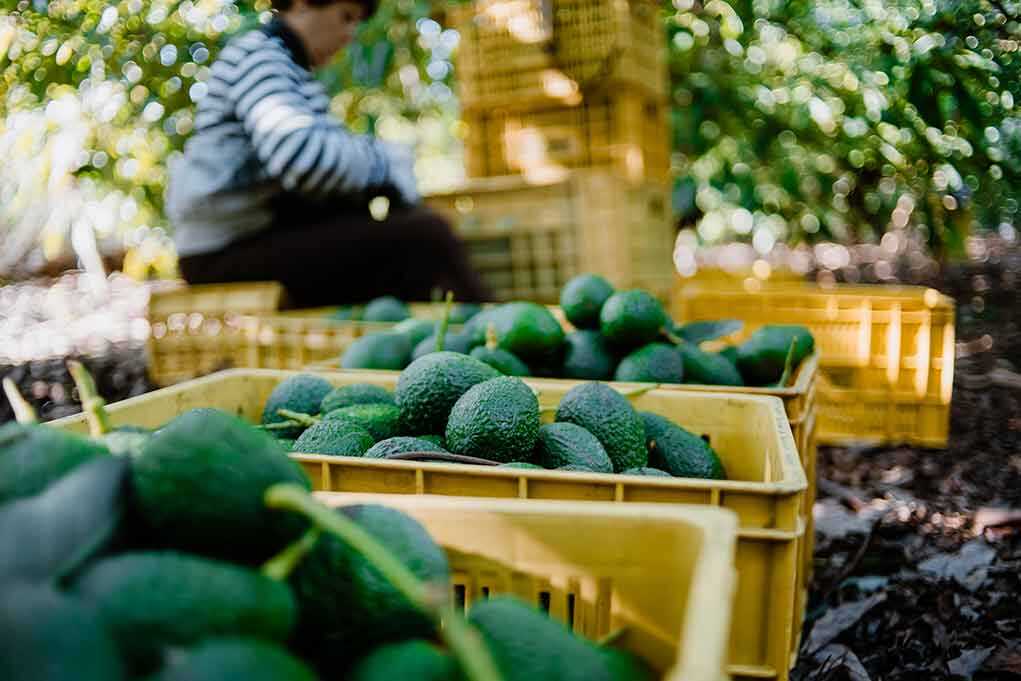
Mexico’s avocado shipments to the United States have been stopped again after U.S. officials tied the move to a security threat in Michoacán.
Quick Take
- The United States halted avocado inspections in Michoacán because of a threat to U.S. interests.
- The pause hit export work in the state’s main avocado region and disrupted packing and shipping.
- Mexico sent 1,500 troops to protect packing sites, routes, and inspection points.
- The U.S. later moved toward a partial restart after safety measures were agreed.
Why the Halt Happened
The United States suspended government activity in Michoacán on Wednesday and stopped avocado inspections needed for export clearance. U.S. officials said the action followed a threat to U.S. interests, and Reuters reported that the pause was a preventive step to protect employees. The public record does not spell out the exact threat, but it clearly shows the suspension was rooted in security concerns, not a normal trade dispute.
AP reported that Michoacán is the top avocado-producing state and a place with heavy cartel activity. The same report said prior pauses followed violence against U.S. inspectors, including an assault and brief detention in 2024. That history matters because it shows the federal workers were not operating in a safe, routine setting. It also explains why U.S. officials treated the threat as a serious work-safety issue.
How the Shutdown Hit the Supply Chain
The halt quickly rippled through the export chain. Reuters said the suspension disrupted USDA regulatory work in authorized packinghouses, while AP said the inspections are required before avocados can be shipped to the United States. Mexico News Daily said the move paralyzed exports in Michoacán and put a key trade line on hold. For growers, packers, and shippers, that meant lost time, lost money, and a direct blow to a major market.
AP also reported that the suspension came after a U.S. inspector was threatened in Michoacán, including a threat against him and his family. NBC News said Mexico’s Agriculture Department described a threatening message sent to an official in Uruapan on an official cellphone. Those reports give the strongest public explanation for why Washington acted fast. They also show how exposed U.S. personnel can be when they work inside cartel-hit territory.
Mexico’s Response and the Push to Restart
Mexico answered by sending about 1,500 troops to the avocado hub to guard packing facilities, roads, and inspection points. Reuters said state and federal officials were also working with U.S. representatives on extra security measures. Michoacán officials called the suspension preventive and said they believed recent arrests tied to extortion may have played a role. That response shows both sides understood the problem as a security failure that needed a fix, not a political stunt.
AP later reported that the U.S. Embassy lifted the prohibition and allowed exports to resume after Mexico and the United States agreed on safety measures for agricultural inspectors. That quick turnaround shows the real issue was getting secure access back in place. It also fits a pattern seen before in 2022 and 2024, when similar pauses were tied to threats or attacks on inspectors. For many readers, the lesson is plain: trade breaks down fast when law and order break down first.
Sources:
youtube.com, abcnews.com, cnn.com, bluebookservices.com, apnews.com, wflanews.iheart.com