
President Trump has issued a two-week ultimatum demanding a Ukraine ceasefire from Russia, with sweeping secondary sanctions poised to target nations continuing Russian energy imports.
At a Glance
- Trump gave Russia until August 12 to halt its Ukraine offensive
- U.S. threatens secondary sanctions on buyers of Russian energy
- India and China are directly in the crosshairs of enforcement
- Envoy Steve Witkoff is in Moscow for last-ditch negotiations
- Sanctions could destabilize global markets and alliances
Ultimatum and Energy Leverage
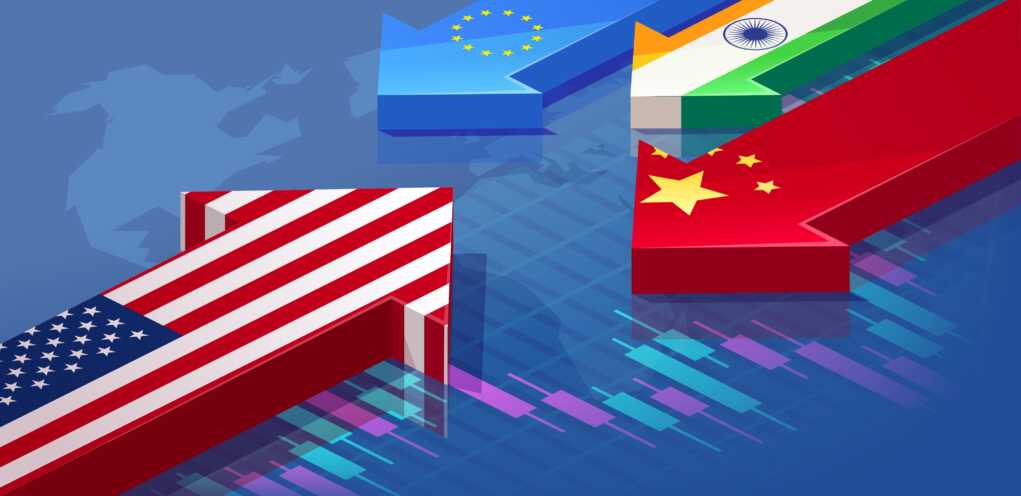
President Donald Trump’s administration issued a blunt demand on July 29: Russia must agree to a ceasefire in Ukraine within 14 days or face severe economic consequences. Central to the strategy is the imposition of secondary sanctions—targeting not just Russian entities, but also nations purchasing Russian fossil fuels. The policy intensifies pressure on India and China, the two largest buyers of Russian oil and gas since the conflict began.
The ultimatum comes as previous rounds of sanctions have failed to compel a Russian withdrawal. Trump’s latest move signals a shift from unilateral action to economic coercion on a multilateral scale, leveraging global energy trade to force compliance.
Watch now: Trump’s deadline to Putin: Ceasefire by August 8 · YouTube
Diplomatic Efforts in Moscow
In an effort to avert escalation, Trump dispatched special envoy Steve Witkoff to Moscow, where high-level talks began on August 6. Witkoff met with key Russian figures, including Kirill Dmitriev, the head of the Russian Direct Investment Fund. These talks are seen as pivotal, with only days remaining before the August 12 deadline.
Though the White House has remained tight-lipped on negotiation details, sources close to the talks report little progress so far. The Kremlin has not issued any statements indicating willingness to halt military operations in Ukraine, raising the stakes for potential economic retaliation.
Global Trade at Risk
If enforced, secondary sanctions could have far-reaching consequences. India and China, both strategic partners in various U.S. economic and security initiatives, could be pushed into diplomatic friction zones. India relies on Russian crude for nearly 40% of its imports, while China has deepened its energy ties with Moscow through long-term pipeline and shipping agreements.
These sanctions echo prior U.S. strategies used against Iran in the 2010s, which disrupted global supply chains but also strained alliances. Analysts warn that similar actions now could cause significant volatility in oil markets, with ripple effects across global inflation and energy access.
Strategic Gamble
The Trump administration is wagering that economic pressure will fracture the international support structure underpinning Russia’s war effort. However, success depends on whether Washington can rally enough global consensus to make the sanctions bite—without alienating key partners in Asia.
A potential side effect may be the acceleration of non-dollar trade frameworks, as countries seek alternatives to U.S.-dominated financial systems. Already, energy transactions between Russia and China have increasingly shifted to yuan-based settlements.
With just days to go, the ultimatum marks one of the most consequential moves in the Ukraine conflict since its onset, threatening not only to redraw diplomatic lines but to reshape global trade flows.
Sources