
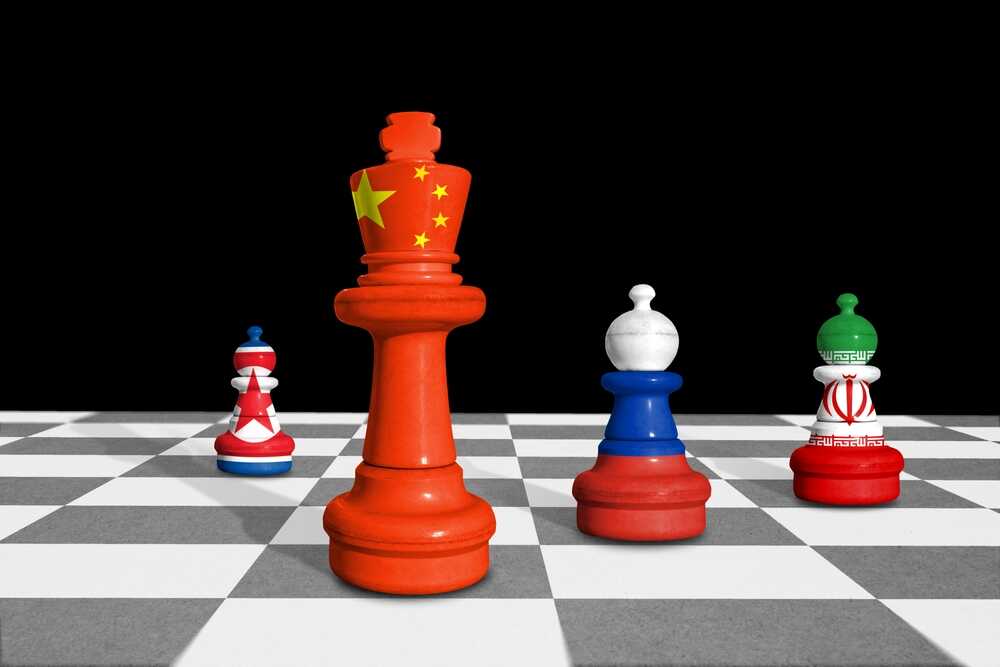
Xi Jinping’s decision to host Vladimir Putin and Kim Jong Un at a Beijing military parade marks a symbolic challenge to Western influence and a notable shift in global diplomatic alignments.
At a Glance
- China will host Russia and North Korea at a military parade on September 3, 2025.
- The event commemorates the 80th anniversary of the end of World War II.
- Xi Jinping’s invitation to Putin and Kim signals deepening trilateral ties.
- Western nations view the event as a challenge to their global influence.
- The gathering could reshape strategic and military alliances globally.
Beijing’s New Power Optics
The September 3rd parade in Tiananmen Square, marking the 80th anniversary of WWII’s end, is one of China’s most symbolically charged diplomatic events of recent years. Xi Jinping hosting North Korea’s Kim Jong Un and Russia’s Vladimir Putin underscores a growing cohesion among nations often at odds with Western powers. The three leaders’ joint appearance suggests more than ceremonial unity—it hints at a recalibrated world order with China as the gravitational center.
Watch now: Trump ‘holds the most cards’ ahead of meeting with Putin, military analyst says · YouTube
Such displays carry both performative and strategic weight. Domestically, they reinforce nationalist pride; internationally, they broadcast a coordinated message of defiance to Western governments. Analysts interpret the event as a deliberate assertion of China’s ability to convene and lead a bloc of states aligned against Western influence.
Strategic Realignment in Motion
The implications extend beyond optics. The coordinated presence of Kim, Putin, and Xi could signal the emergence of a geopolitical bloc. Western analysts interpret this alignment as a calculated move to marginalize U.S. influence and challenge established international norms.
For China, the parade serves as both a retrospective and forward-looking gesture. It grants Xi a platform to present China not only as a war-time victor but also as a modern architect of an alternative global order. Expectations include deeper economic and military cooperation among the three nations—possibly forming institutions that operate outside Western-led frameworks.
Domestic Messaging and Global Symbolism
Domestically, the event is designed to galvanize nationalist sentiment. The Chinese Communist Party often uses major anniversaries to reinforce narratives of resilience, unity, and leadership. In Russia and North Korea, state-controlled media are likely to emphasize strategic solidarity and resistance to Western pressure.
On the global stage, the event’s symbolism invites scrutiny and signals potential shifts in alliances. While the parade itself is ceremonial, its subtext carries geopolitical weight—representing an assertion of alternative power centers amid global instability and shifting diplomatic currents.
Sources
NK News
Reuters
The Diplomat
Al Jazeera
South China Morning Post