
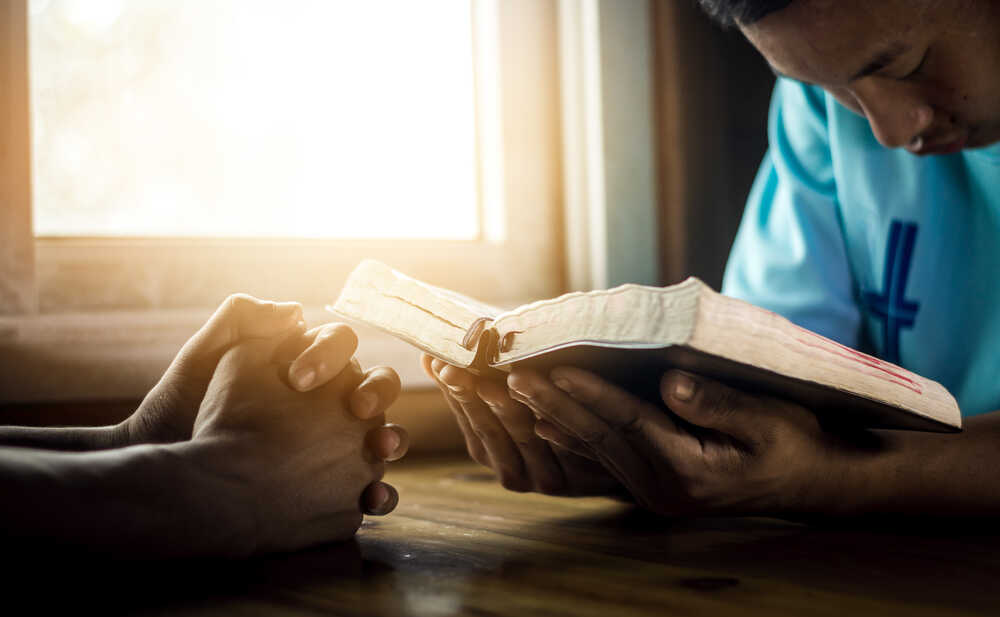
A Minnesota school district’s decision to build a “prayer room” and install foot-washing stations is igniting a familiar national fight over whether public schools are accommodating faith—or picking favorites with taxpayer dollars.
Quick Take
- Osseo Area Schools confirmed that renovation plans include a prayer room at Park Center Senior High and foot-washing stations at Osseo Senior High.
- The district said the additions were incorporated after “user group” input focused on student needs, not to promote a specific religion.
- Online critics argue the features amount to special treatment and could test constitutional lines in a public school setting.
- Supporters say such accommodations can be legal if they are voluntary, non-coercive, and open to students of any faith.
What Osseo Schools Confirmed—And What Remains Unclear
Osseo Area Schools, which serves suburbs northwest of Minneapolis, confirmed to AlphaNews reporter Liz Collin that renovation plans for two high schools include religion-adjacent facilities: Park Center Senior High will have a prayer room, and Osseo Senior High will add foot-washing stations. The district said the features were added to updated plans after input from “user groups on student needs.” The sources do not specify construction timelines, final costs, or written access rules.
Report: Minnesota High School Renovation Includes Prayer Rooms, Foot-Washing Stations https://t.co/g1AI1YFzfk
— Tim Horgan (@TimHorg37664992) April 21, 2026
The controversy sharpened after an anonymous tipster alleged the facilities are “undoubtedly for Muslim students only.” That claim is central to the backlash. What is verifiable is that the district acknowledged the facilities are in the plans, and that the additions arrived through an internal feedback process rather than a public vote tied to a single faith community.
Why Foot-Washing and Prayer Space Trigger a Constitutional Debate
Public schools face a narrow path: they cannot sponsor religion, but they also cannot single out religious students for unequal treatment. The sources cite the standard argument defenders rely on—accommodations tend to survive legal scrutiny when they are voluntary, do not involve school-led prayer, and are available on equal terms to students of different beliefs. That means the details matter: how the room is scheduled, who can use it, and whether the school communicates neutrality.
Conservative frustration often starts with an apparent double standard. Many parents remember decades of “no religion in schools” rhetoric used to push prayer out of public life, only to see districts later carve out space for specific religious practices under the banner of equity. The reporting provided does not show Osseo excluding other students, but it also does not document safeguards that would reassure families the facilities won’t become de facto exclusive through policy, custom, or administrative pressure.
The Local Context: Demographics, Diversity, and School-Run “Equity” Decisions
Osseo Area Schools operate in communities described as diverse, including Muslim families tied to Somali immigration since the 1990s. Nationwide, districts with changing demographics have made similar accommodations, and the sources reference precedents in other states where wudu-style washing access and prayer spaces became flashpoints. The immediate political reality is predictable: critics see cultural capture of public institutions, while supporters frame the change as basic inclusion within a pluralistic student body.
The reporting also shows a limitation conservatives should keep in mind when weighing claims: the coverage is driven largely by conservative outlets reacting to a single social media post and district confirmation. Without broader documentation—such as board minutes, policy memos, budget figures, or a district FAQ—both sides risk talking past each other. If the district wants to reduce mistrust, clarity on access rules and costs would be the most straightforward step.
What This Signals Nationally as Trust in Institutions Keeps Sliding
The most important takeaway may be less about one prayer room and more about how quickly institutional trust erodes when public agencies make culturally sensitive decisions without transparent guardrails. Conservatives often read this as government drifting away from traditional norms; liberals often read objections as hostility toward minorities. The practical test is simpler: if the district can prove equal access and neutrality, it likely avoids legal trouble; if not, it invites prolonged conflict.
For taxpayers—left, right, and in the exhausted middle—the bigger question is whether public schools can meet real educational priorities while handling religious diversity with consistent principles. The sources provided do not establish illegal conduct, but they do show how quickly a planning decision can become a proxy battle over culture, borders, and whose values public institutions are perceived to serve. Until Osseo provides more detail, skepticism will fill the gap.
Sources:
Minnesota high school renovation includes prayer rooms, foot-washing stations
Prayer room and foot washing station in one MN highschool remodeling plans
‘HELL NO!’ Public high school remodel features ‘Muslim’