
As Russian missile and drone strikes threaten Ukraine’s nuclear plants and critical energy infrastructure, global leaders warn that reckless military actions could spark a nuclear catastrophe with consequences far beyond the battlefield. Russian forces have intensified attacks on Ukrainian nuclear facilities, including the Zaporizhzhia and Khmelnytskyi plants, raising fears of a major nuclear incident and prompting international agencies like the IAEA to monitor the “unacceptable risks.” The crisis exposes the extreme vulnerability of nuclear infrastructure in war zones, underscoring the urgent need for protection and restraint to avert a disaster on the scale of Chernobyl.
Key Points
- Russian forces have intensified attacks on Ukrainian nuclear facilities and critical energy infrastructure, raising fears of a major nuclear incident.
- International agencies and Ukrainian officials warn that continued targeting of substations and power lines risks catastrophic radioactive release.
- Despite repeated strikes, emergency protocols and international monitoring have so far averted disaster, but the threat remains acute.
- The crisis exposes the vulnerability of nuclear infrastructure in war zones and prompts calls for urgent protection and restraint.
Escalating Attacks on Ukraine’s Nuclear Infrastructure
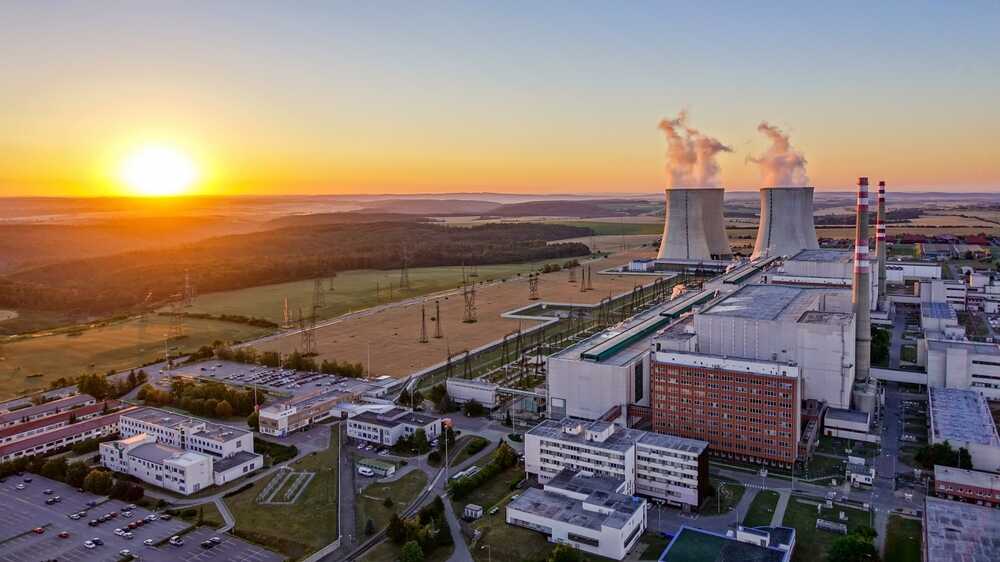
Russian military operations have increasingly targeted Ukraine’s critical nuclear power facilities since the initial invasion in February 2022. After seizing control of the Chernobyl and Zaporizhzhia nuclear plants early in the war, Russian forces have escalated their campaign with repeated missile and drone strikes on substations and power lines that are essential for the safe operation of these facilities. The Zaporizhzhia plant, the largest in Europe, and the Khmelnytskyi Nuclear Power Plant (KhNPP) have been particularly affected, with attacks in late 2025 causing widespread power disruptions and damage to infrastructure.
These assaults have forced Ukraine’s nuclear operator, Energoatom, to activate emergency protocols and rely on backup generators to keep reactor cooling systems operational. According to ongoing reports from the International Atomic Energy Agency (IAEA), dozens of incidents involving drones and missiles near nuclear facilities have occurred since mid-2025, especially around KhNPP. Ukrainian officials continue to warn that the loss of external power or physical damage to plant infrastructure could trigger a nuclear accident, echoing the global trauma of the 1986 Chernobyl disaster.
Russia hacks out electrical substations essential for the continued operation of the Khmelnytskyi and Rivne nuclear power plants in Ukraine https://t.co/1XG2KYbvm7
— NPEC (@NuclearPolicy) November 10, 2025
International Alarm and Risk of Nuclear Catastrophe
The international community remains on high alert as the risk of a catastrophic nuclear event grows. The IAEA, acting as the primary technical authority, has dispatched missions to monitor the situation on the ground, emphasizing the “unacceptable risks” posed by attacks on nuclear infrastructure. Both Ukrainian and international leaders have issued urgent calls for restraint, underscoring the need for uninterrupted external power supplies to prevent reactor overheating and radioactive releases. Despite these efforts, power and heating disruptions have affected major Ukrainian cities, and the specter of cross-border radioactive contamination looms over Europe.
Local communities living near these plants face heightened anxiety and uncertainty, with each new attack raising the threat level. The broader European population is also at risk, as radioactive material released by a nuclear incident could travel well beyond Ukraine’s borders, affecting millions. The crisis has prompted renewed scrutiny of nuclear safety protocols in conflict zones and raised fundamental questions about the security of civilian infrastructure during wartime.
Stakeholders, Motives, and Broader Consequences
The primary actors in this crisis include the Russian military, seeking to undermine Ukraine’s energy independence and exert strategic leverage; the Ukrainian government and Energoatom, fighting to maintain plant safety and national sovereignty; and the IAEA, working to ensure nuclear safety and prevent disaster. Power dynamics remain tense, with Russia controlling key occupied areas and facing international condemnation, while Ukraine relies on ongoing technical and diplomatic support from the global community.
In the short term, the threat of a nuclear accident remains immediate due to the vulnerability of cooling and safety systems to external attacks. Long-term, the conflict has set a dangerous precedent for the targeting of nuclear infrastructure during armed conflict, potentially reshaping nuclear energy policy and emergency planning across Europe. The economic and social costs are already significant, with energy supply disruptions, increased international pressure on Russia, and widespread anxiety among affected populations. While no release of radioactive material has been confirmed to date, the situation remains volatile, and the risk of escalation persists.
Analysis from the IAEA and industry professionals consistently highlights the unprecedented risk posed by military activity near active nuclear plants. Ukrainian officials have accused Russia of “nuclear terrorism,” while Russian authorities maintain the strikes are strictly strategic and deny any intent to cause a nuclear incident. Despite conflicting narratives, credible technical assessments from the IAEA, World Nuclear Association, and OECD Nuclear Energy Agency have validated the seriousness of the threat and the urgent need for robust emergency protocols.
Watch the port: Ukraine war: How worried should we be about the Zaporizhzhia nuclear power plant?
Sources:
Ukraine, Russia War and Nuclear Energy – World Nuclear Association
Ukraine: Current Status of Nuclear Power Installations – OECD NEA
IAEA Interactive Timeline: Ukraine Nuclear Safety and Security
Strikes in Ukraine Disrupt Power, Heating in 2 Major Cities – Washington Times