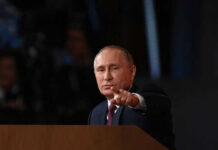


Russian President Vladimir Putin’s return to U.S. soil for the Alaska summit with Donald Trump gave him a global platform to project strength while leaving Washington’s allies uneasy about the absence of a concrete Ukraine deal.
At a Glance
- Putin attended the Alaska summit with Trump, his first high-profile U.S. visit in years
- No ceasefire agreement emerged from talks on the Ukraine conflict
- Trump echoed Moscow’s preference for a broader peace deal instead of a ceasefire
- Analysts say the summit elevated Putin’s image internationally
- European and Ukrainian officials voiced alarm over potential concessions
Putin’s Return to Global Diplomacy
The Alaska summit was the first time since the start of the Ukraine war that Vladimir Putin appeared on U.S. soil, and the optics alone carried significant weight. Hosted at a military base in Anchorage, the meeting symbolized a remarkable shift in diplomatic tone, one that analysts say gave Putin a public stage to reassert his position as a global power broker.
Trump initially framed the talks around securing a ceasefire in Ukraine, but his language shifted during the summit. Instead of pressing for a temporary halt in fighting, he spoke in favor of a “comprehensive peace agreement,” language closely aligned with Russia’s long-standing demands. Observers noted this rhetorical change as a major departure from earlier U.S. positions.
Watch now: Trump Got ROLLED OVER by Putin Alaska Summit Disaster · YouTube
For Moscow, the event offered a chance to project normalcy and reinforce the narrative that Russia remains a central player in shaping the international security order. The Kremlin’s domestic coverage of the summit highlighted Trump’s gestures of respect and downplayed the lack of substantive agreements.
Ukraine and European Unease
For Ukraine and its European backers, the absence of progress was troubling. Kyiv has consistently rejected any framework that involves territorial concessions, a demand that remains at the core of Moscow’s proposals. Ukrainian President Volodymyr Zelenskyy reiterated that no settlement could move forward without Ukraine’s direct participation and full sovereignty.
European leaders expressed concern that Washington’s signals could weaken collective negotiating power. Diplomats from Paris and Berlin warned that softening U.S. positions might embolden Russia without delivering real security guarantees. Officials in Brussels emphasized the importance of maintaining unified pressure, noting that partial or symbolic deals could fracture Western resolve.
A Summit of Optics Over Substance
While no binding agreements were signed, analysts concluded that Putin emerged from Alaska with an image boost. Commentators in European and American outlets characterized the summit as a “PR victory” for Moscow, noting how the mere optics of the meeting shifted global perceptions. Trump, meanwhile, positioned himself as an independent dealmaker, but left critics questioning whether U.S. strategy had been diluted in the process.
The broader consequence of the summit may be symbolic rather than immediate: Russia, once largely sidelined from Western capitals, has reinserted itself into diplomatic conversations. Whether this translates into a pathway to end the war remains uncertain. For now, the Alaska summit stands as a stage where Putin gained visibility and Washington’s allies left with more questions than answers.