

A chikungunya virus outbreak in China’s Guangdong province has led to more than 7,000 infections, prompting public health measures reminiscent of early COVID-19 containment efforts.
At a Glance
- Over 7,000 chikungunya cases reported in Guangdong since July
- Infected patients in Foshan are quarantined under mosquito nets
- Virus causes fever and prolonged joint pain but is not contagious
- 12 cities affected; Hong Kong confirms first related case
- US advises travelers to exercise increased caution in China
Widespread Outbreak in Guangdong
Guangdong province, located in southern China, is grappling with a chikungunya outbreak that has spread to at least 13 cities. The city of Foshan has reported the most cases and introduced mandatory hospital stays for infected individuals. Patients are kept under mosquito nets and can only be discharged after testing negative or completing a minimum seven-day stay.
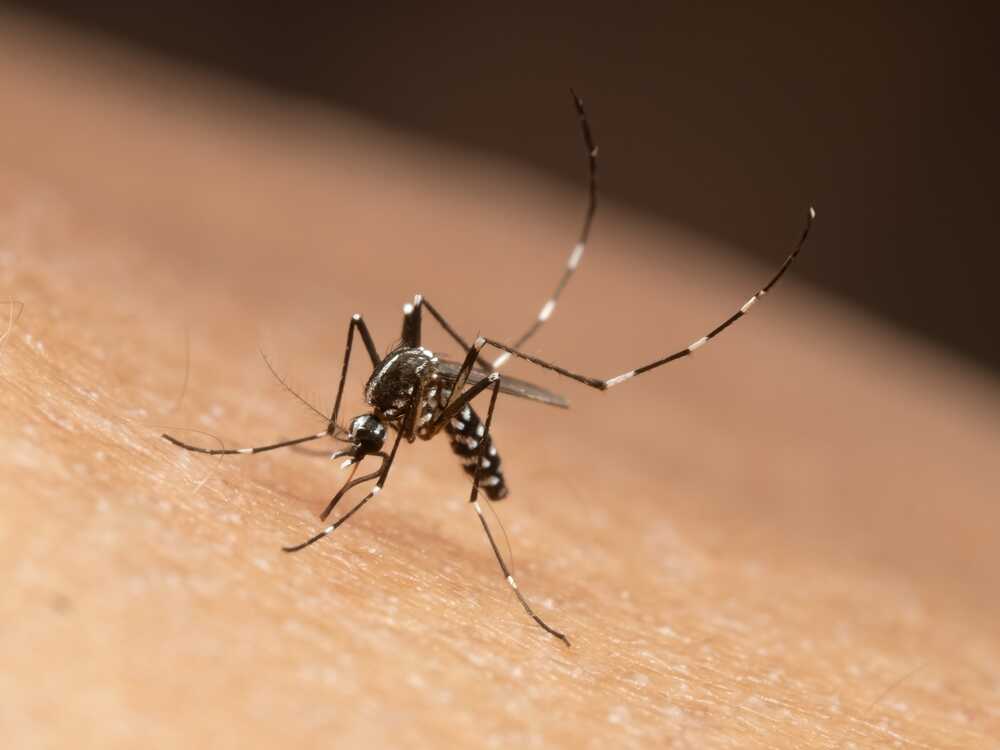
Nearly 3,000 new cases were recorded in the last week alone, pushing the total count above 7,000 since July. The virus, transmitted through the bite of infected mosquitoes, is common in parts of Africa and South and Southeast Asia but has historically been rare in China.
Watch now: CDC Warns of Chikungunya Outbreak in China · YouTube
Symptoms and Containment Measures
Chikungunya typically causes acute fever, skin rashes, and severe joint pain, which in some cases may persist for years. The virus is not spread through direct human contact, but only via mosquito bites, making vector control a critical part of containment strategies.
Authorities emphasize that 95% of cases reported so far have been classified as mild, and most patients recover within a week. Nevertheless, the imposition of hospital-based isolation and preventive measures such as mosquito netting evoke memories of more stringent pandemic-era protocols.
The unexpected scale of the outbreak has alarmed residents unfamiliar with the virus. Social media users on platforms like Weibo expressed concern over the potential for long-term symptoms, even as officials worked to downplay fears by highlighting the non-contagious nature of the disease.
Regional Spread and Travel Advisory
The virus has now reached Hong Kong, where a 12-year-old boy became the region’s first confirmed case following a recent trip to Foshan. He developed symptoms including fever and rash soon after his return.
In response, the United States issued a travel advisory urging increased caution for those planning visits to China. Although the virus does not pose a risk of airborne or direct transmission, its rapid spread via mosquitoes has prompted heightened surveillance and control efforts.
The outbreak may test China’s public health resilience in the face of a disease more commonly associated with tropical regions. Experts warn that changing climate conditions and increasing urban density could contribute to future viral expansions beyond traditional zones.