

Houthi attacks on commercial vessels in the Red Sea have set off a dangerous chain reaction, with Israel retaliating against Houthi-controlled ports, escalating tensions and raising the stakes in the already volatile region.
At a Glance
- Houthi rebels sink Liberian-flagged Magic Seas vessel using drones and missiles.
- Crew evacuated safely, triggering international rescue operations.
- Israel retaliates with airstrikes on Houthi-controlled ports in Yemen.
- Shipping risks surge for vessels perceived to have Israeli connections.
Houthi Assaults on Red Sea Shipping
Tensions in the Red Sea erupted following a calculated attack by Yemen’s Houthi rebels, who targeted the Liberian-flagged vessel Magic Seas using a combination of drones, missiles, and unmanned boats. The assault, which led to the sinking of the ship, was executed with a focus on minimizing human casualties. All 22 crew members were safely evacuated before the vessel went down, a strategic move that lessened the potential loss of life.
In a public statement, Houthi military spokesman Yahya Saree confirmed the attack, emphasizing the precision of the operation. “The operation directly hit the ship, leading to water ingress. It is now exposed to sinking,” he said. “Our forces allowed the crew to safely evacuate.”
Watch: Houthi Strike Sinks British Ship in Red Sea
Regional Fallout and Israeli Retaliation
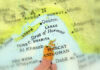
The attack set off a wave of international response, with coordinated efforts from the UAE, UK Maritime Trade Operations, and others to ensure maritime safety in the region. However, Israel quickly escalated the situation with airstrikes targeting Houthi-controlled ports in Yemen. Israel’s military has accused the Houthis of using these ports as hubs for weapon transfers from Iran, adding a dangerous layer to the already complex geopolitical landscape.
“These ports are used by the Houthi terrorist regime to transfer weapons from the Iranian regime, which are employed to carry out terrorist operations against the state of Israel and its allies,” the Israeli military stated.
The Israeli response involved airstrikes launched by approximately 20 fighter jets, aimed at crippling Houthi infrastructure in Yemen. Israeli Defense Minister Israel Katz warned that the perpetrators of such attacks would “continue to pay a heavy price for their actions.” Tensions are rising as this conflict escalates into a broader regional standoff.
Maritime Implications and Global Concerns
The regional conflict has begun to impact global trade, particularly through the Red Sea, a vital shipping route. Shipping companies, including Maersk, have started rerouting vessels away from the Red Sea to avoid potential attacks, while maritime security agencies warn of further risks to navigation, including GPS disruptions. The threat to maritime safety is growing, as vessels with perceived ties to Israel are particularly at risk.
With tensions continuing to build, the international community faces a growing challenge to secure critical trade routes and prevent the situation from spiraling into broader economic and political instability. The Red Sea conflict could have far-reaching consequences, affecting global shipping and fueling regional instability far beyond the Middle East.