

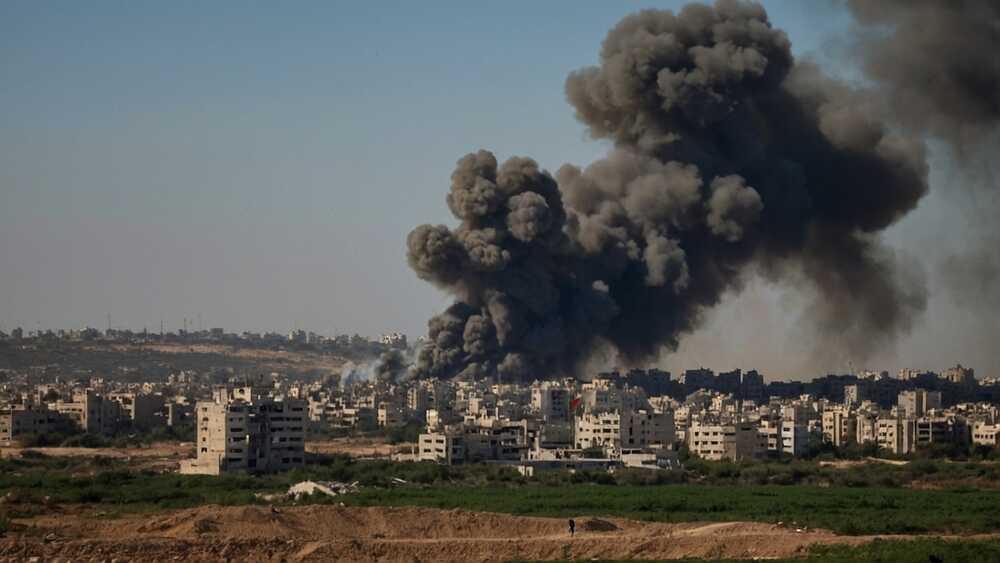
Hamas’s direct appeal to President Trump for a 60-day ceasefire in exchange for releasing hostages marks a striking shift in Middle East negotiations, raising questions about U.S. leadership and the bypassing of traditional diplomatic channels.
Story Snapshot
- Hamas bypasses the current administration, sending a ceasefire proposal directly to President Trump.
- The deal would release half of the remaining hostages in Gaza for a 60-day halt in fighting.
- This unprecedented move comes as international mediators fail to make progress and the humanitarian crisis deepens.
- The Trump administration’s response could reshape U.S. influence and future hostage negotiations.
Hamas Reaches Out Directly to President Trump, Sidestepping Official Channels
On September 22, 2025, reports surfaced that Hamas had sent a formal letter to President Donald Trump, proposing the release of half the remaining hostages in Gaza if a 60-day ceasefire is enacted. This approach is notable for bypassing the current U.S. administration, signaling a lack of faith in official diplomatic channels and reflecting ongoing frustration with stalled international mediation efforts. The timing coincides with heightened diplomatic activity at the United Nations and mounting pressure for a resolution.
The content of Hamas’s proposal seeks a longer pause than previous short-term arrangements, directly engaging Trump as a mediator. The letter’s specifics reveal Hamas’s intent to leverage Trump’s influence, possibly aiming to shift negotiation dynamics and circumvent U.S. policies seen as ineffective by many. The proposal’s scale—a significant hostage release for a substantial ceasefire—underscores the urgency and gravity of the current crisis, impacting families of hostages and the broader regional stability.
Fox News: Hamas will deliver a personal letter to U.S. President Donald Trump later this week, in which it asks him personally to guarantee a 60-day ceasefire in Gaza in exchange for the release of half of the hostages.
I know it upsets many many people when I write things… pic.twitter.com/UGX6ZGoYX6
— Cheryl E 🇮🇱🎗️ (@CherylWroteIt) September 22, 2025
Key Stakeholders and Motivations: Political Calculus and Humanitarian Stakes
Hamas, as Gaza’s ruling authority, faces immense military pressure and a deteriorating humanitarian situation. By reaching out to Trump, Hamas aims to gain both relief and legitimacy. For Trump, the offer presents a platform to potentially showcase diplomatic strength and reshape his legacy on the global stage. Meanwhile, Israel’s government remains focused on unconditional hostage release and security assurances, while the sidelined U.S. administration must grapple with diminished influence as foreign actors bypass its authority. The families of hostages and civilians in both Gaza and Israel stand to be most directly affected.
Historical precedent for such deals exists, but the scale and direct outreach to a former (now current) president is unprecedented. Previous ceasefire proposals were shorter and involved fewer hostages, highlighting the extraordinary nature of this request. The current diplomatic environment—marked by international frustration, U.N. initiatives, and U.S. election dynamics—intensifies the stakes for all parties involved.
Current Developments: Trump’s Role and International Reactions
As of September 23, 2025, major media outlets report that Trump is preparing to address the Gaza ceasefire proposal at the United Nations. Hamas’s public willingness to negotiate a large-scale hostage release is seen as both a strategic pivot and a sign of desperation amid ongoing military operations. The Trump administration has not issued a formal response, but the situation is drawing global attention as Western countries increase diplomatic pressure for a ceasefire and Palestinian state recognition. The proposal remains under consideration by all major stakeholders, with no official acceptance or rejection yet announced.
Analysts highlight the risk of undermining official diplomatic norms, noting that bypassing the sitting administration could set a troubling precedent. Reactions from Israel and international mediators will be crucial in shaping the outcome and determining whether this direct appeal leads to progress or further division.
Short-term, the deal could reduce violence and allow humanitarian aid into Gaza, benefiting civilians and hostages’ families. Long-term, however, it may embolden non-state actors to circumvent established protocols, challenging U.S. authority and potentially eroding traditional diplomatic frameworks that safeguard American interests and values. As the situation evolves, vigilance is warranted to ensure that U.S. constitutional principles and national interests are not undermined by foreign actors seeking to exploit political divisions.
Watch the report:Hamas Letter to Trump Seeks 60-Day Ceasefire Deal to Release Hostages | Sources Confirm | APT
Sources:
Hamas offers to release half of hostages in letter to Donald Trump in exchange for 60-day ceasefire
Hamas to ask United States for ceasefire-hostage deal
Live Updates: Hamas letter to Trump and ceasefire proposal