

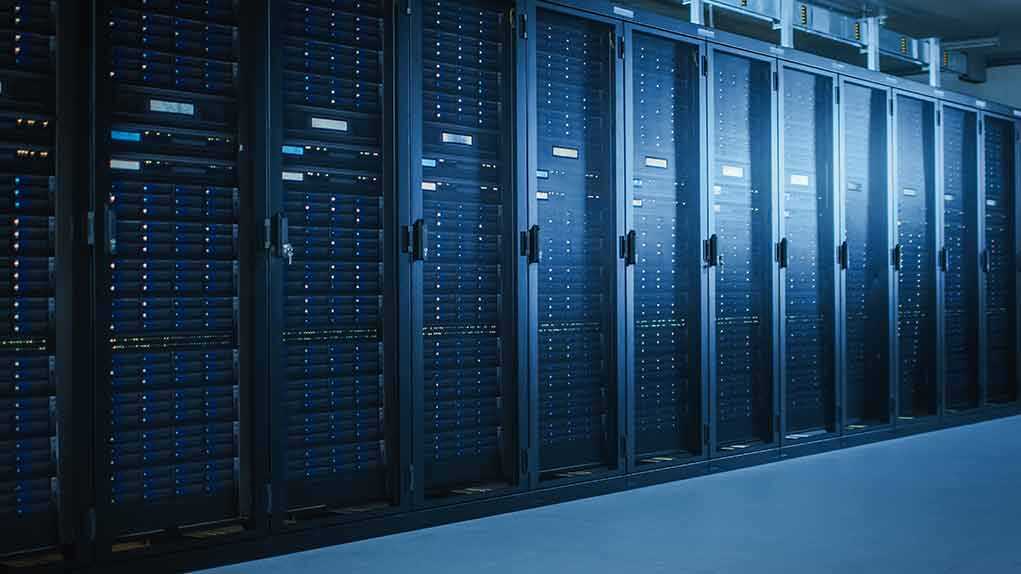
A former U.S. Special Forces officer says America’s data centers are prime targets for drones, missiles, and hackers—putting daily life and national security at risk.
Story Highlights
- Former Army Special Forces officer Seth Krummrich warned data centers face physical and cyber threats.
- Krummrich said attackers could strike buildings, power substations, and fiber routes tied to data hubs.
- An industry survey found more than half of data center pros now see human threats as the top risk.
- Security experts have urged tougher defenses for years as these sites become core infrastructure.
Expert Warning Flags Data Centers as Nation-State Targets
Military veteran Seth Krummrich, now a leader at Global Guardian, warned that nation-states and criminals view data centers as key targets. He said attackers could use drones, missiles, and cyber tools to hit the sites that run banking, health care, logistics, and government services. He urged planners to prepare for multi-prong attacks that disrupt operations and public life. He compared the importance of data centers to the power grid, stressing that outages could ripple across the economy.
Krummrich also pointed beyond the buildings themselves. He said attackers may aim at the power substations that feed data campuses and at the miles of fiber optic cable that link them. He explained that a smart enemy will look for weak links that are easier to hit than a guarded server hall. He described both money-motivated hackers and hostile intelligence services as likely actors, each with different goals but similar tactics.
Industry Signals: Human Threats, Inside and Out, Lead the Risk List
Security concerns inside data centers have shifted as these sites expand to support artificial intelligence and cloud growth. A Bloomberg Law report said that in a 2026 survey by the industry group AFCOM, more than half of data center professionals named human threats, internal or external, as the biggest security risk to their infrastructure. That marks a clear change from years when ransomware dominated headlines. The survey result underscores why operators now blend cyber, physical, and insider defenses.
Earlier expert commentary also pointed to rising danger. Former State Department counterterrorism official Fred Burton said years ago that data centers could no longer stay “out of sight and out of mind.” He warned that plots and physical risks demanded new attention from owners and regulators. Those remarks foreshadowed today’s environment, where operators face social engineering, badge abuse, rogue contractors, and drone overflights, alongside the usual hacking attempts against remote access systems.
Why This Matters for Families, Small Business, and National Readiness
Data centers keep America’s daily life running. They move paychecks, power phone apps, guide deliveries, and store medical records. When a center goes down, small businesses miss sales and families lose access to services. Krummrich’s warning lands as these facilities grow fast near suburbs and critical corridors. That growth makes them attractive targets for rivals who want to hurt the United States without firing on a base or a ship. Hardened sites mean steadier jobs and safer communities.
The Trump administration has pushed to secure energy, manufacturing, and the digital backbone. That work should now include tougher shields for data campuses and the systems that feed them. Common-sense steps include layered access control, drone detection, faster incident reporting, and joint planning with local power utilities and law enforcement. Clear federal guidance paired with local action can block cascading outages and protect free speech, banking access, and the flow of information Americans rely on every day.
What Smart Defense Looks Like Right Now
Owners can close gaps by mapping every link that keeps a site online. That means doors, cameras, guards, backup power, fiber routes, and the control networks that run cooling and electricity. Teams should rehearse mixed attacks where a minor cut to a fiber line hides a larger breach. They should also tighten hiring checks, watch for social engineering, and limit remote admin access. These moves are practical, affordable, and fit the rising risk picture described by experts and industry surveys.
State partners can help by aligning police patrols with high-value routes and by fast-tracking permits for better fencing, lighting, and drone countermeasures where legal. Federal agencies can share timely threat leads with operators, while keeping the private sector in the lead. This approach respects liberty and property rights while guarding the systems that power our economy. Strong defenses deter enemies who hope to scare Americans into silence or dependence on foreign networks.
Sources:
military.com, globalguardian.com, datacenterknowledge.com, linkedin.com