

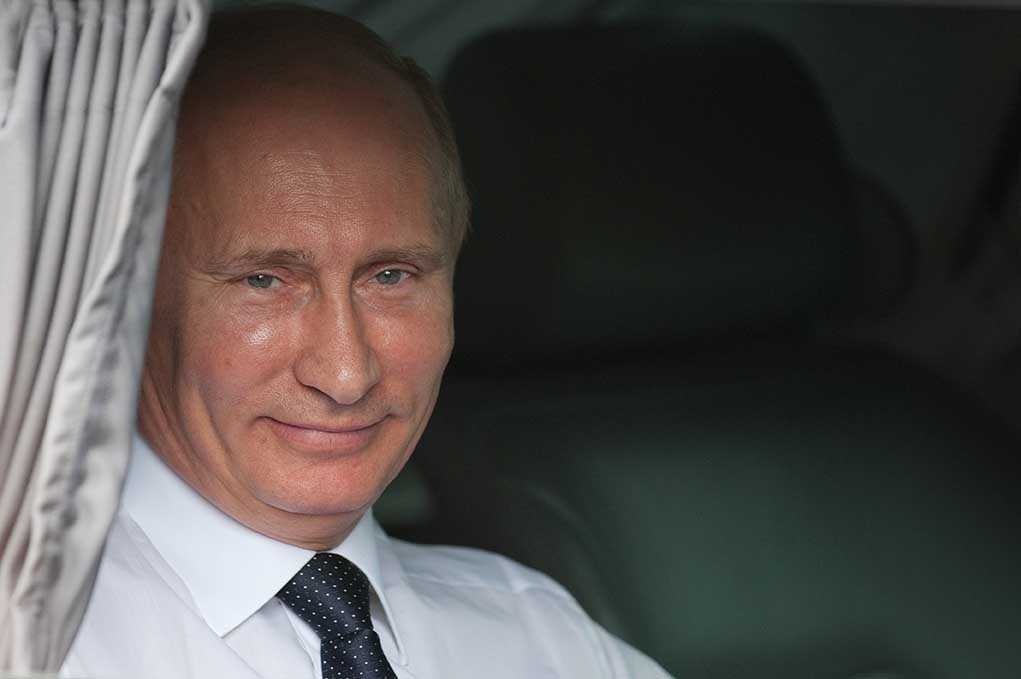
President Trump announced that American Stephen Hubbard is on a plane home from Russia after a direct request to Vladimir Putin led to his release.
Story Highlights
- Trump says no swap was needed for Hubbard’s release and shared his return photo.
- Putin announced the release in St. Petersburg during talks with U.S. envoy Steve Witkoff.
- Kremlin officials cited “humanitarian grounds,” including Hubbard’s poor health.
- Hubbard had been convicted in a closed Russian trial in 2024 on mercenary charges.
What Happened: A U.S. Citizen Is Coming Home
President Trump said Stephen Hubbard, a retired American teacher, is flying home after Russia released him. Russian President Vladimir Putin announced the decision in St. Petersburg, where he met U.S. special envoy Steve Witkoff. Trump said he asked Putin for the release in a call last week and stressed that there was no exchange. Reports stated that Hubbard reached the airport in St. Petersburg and began his trip back to the United States shortly after the announcement.
The Kremlin described the action as a humanitarian step. Kremlin spokesman Dmitry Peskov said the release came on humanitarian grounds. Reporting added that Russian officials considered Hubbard’s health in making the decision. Trump posted that no swap was required, highlighting that the United States did not give anything up. Published accounts confirmed the release and described Hubbard’s travel home after the announcement.
How The Deal Took Shape: Direct Lines And Clear Roles
Putin disclosed Hubbard’s release during face-to-face talks with Steve Witkoff in St. Petersburg. Trump said he spoke with Putin by phone the week before and requested the release. That placed the decision inside a direct leader-to-leader channel, followed by an in-person meeting that confirmed it. Trump’s public note that no swap was needed shaped the early U.S. framing. Major outlets reported both the Putin announcement and Trump’s statement on Hubbard’s return.
Several reports emphasized that this was not part of a formal prisoner exchange. Trump said there was no swap, a point that drew attention because many prior U.S.–Russia detainee cases involved trades. One outlet also reported that Trump linked the outcome to halting new sanctions, which complicates the line between “no swap” and a favorable policy setting. The reporting still centers on the public claim that no concessions were required for this release.
Case Background: Closed Trial And A Lengthy Sentence
A Russian court convicted Hubbard in October 2024 in a closed trial on a mercenary charge tied to the Ukraine war. The court sentenced him to six years and ten months in a penal colony. Details of the evidence have not been fully public, and much of the record came through official Russian channels. Coverage described him as a retired teacher, with reports differing on some timeline specifics over his detention length and age at sentencing.
U.S.–Russia detainee cases often mix legal claims, humanitarian appeals, and hard bargaining. Past exchanges have traded high-profile prisoners, including civilians and spies, across many decades. This case stands out because both leaders said the release was unilateral and humanitarian. That makes it different from the classic swaps many readers recall. Still, the return fits a familiar pattern where top-level requests can bring fast action when national interests align.
Why It Matters For American Families And Policy
Americans want their fellow citizens home without paying a price to bad actors. Trump’s message says exactly that: no swap and no payout. That lines up with a firm stance against hostage tactics that target our people and pressure our government. It also shows the value of direct diplomacy that gets results without cutting deals that weaken U.S. leverage. Hubbard’s return is a win for an American family and a reminder that resolve can bring our citizens back.
Sources:
rmb.reuters.com, reuters.com, bbc.com, dw.com