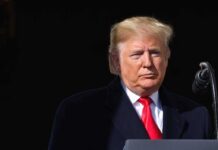
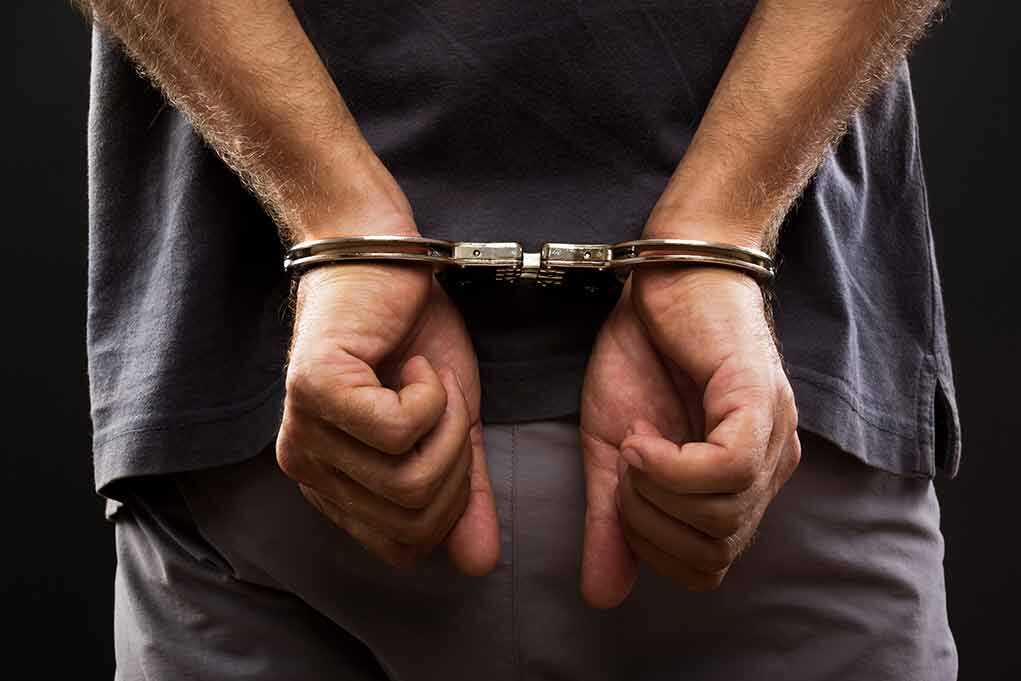
Federal prosecutors say a Kansas man threatened to shoot President Trump and claimed he mapped rooftops near the Wichita rally site.
Story Highlights
- Justice Department charged a Kansas man with threatening President Trump ahead of a Wichita visit.
- Alleged Facebook posts called for shooting Trump and said the suspect would do it himself.
- Complaint alleges the man claimed he had “mapped out roofs” near the rally location.
- Secret Service and multiple agencies investigated and made the arrest before the event.
DOJ Charges Detail Explicit Threats and Timing
U.S. prosecutors say Jaden J. Read, 24, was charged by criminal complaint on October 17 for allegedly threatening President Trump before the President’s October 19 visit to Wichita. The U.S. Attorney’s Office for the District of Kansas cited online posts that said, “Let’s shoot Trump honestly,” and, “I just got a 308 and 305 round and I’m killing this pedo.” The charge carries a potential sentence of up to five years in prison if convicted.
Investigators say the threats surfaced after a Crime Stoppers tip flagged a Facebook thread under a local news item about the upcoming visit. Reporting on the federal case says another comment read, “Can we shoot him in Kansas please I will myself,” which indicated a personal intent to act. Authorities moved within days, filing the complaint and taking Read into custody ahead of the President’s scheduled event.
Alleged Rooftop Mapping Raises Security Concerns
Coverage of the complaint says Read claimed he had “mapped out roofs” near the venue. That allegation signals more than heated talk and suggests planning that security teams must take seriously. The Wichita Eagle described the mapping claim as part of the government’s account in the charging documents. Officials did not state in initial reports whether a firearm was found, but they underscored the urgency of the timing and the need to mitigate potential risk before the rally.
The investigation drew in several agencies responsible for protecting the President and the public. The United States Secret Service coordinated with the U.S. Marshals Service, the Kansas Bureau of Investigation, the Kansas Highway Patrol, and the Wichita Police Department. That joint response reflects standard protective posture when an explicit threat appears tied to a specific visit and location.
Law and Order: True Threats Are Not Protected Speech
Federal law makes it a crime to knowingly and willfully threaten the President’s life or to threaten bodily harm. Courts have held that “true threats” are not protected by the First Amendment, even as political hyperbole remains protected. Prosecutors allege the language and timing here meet the bar for a charge. A judge and jury will weigh the evidence and decide if the posts communicated a serious intent to harm the President, as the statute requires.
Threat activity against protectees has surged as political tensions run high. The United States Secret Service said it opened more than ten thousand threat investigations this year, about a forty percent increase from the same period last year. That figure reflects workload, not confirmed plots, but it shows why agents act fast when a post suggests a plan and a target with a date and place.
Why This Matters to Readers Who Value Safety and Liberty
Presidential security is not abstract. When a person says they will shoot the President, names the place, and claims scouting of rooftops, officers must treat it as real until proven otherwise. That is how they protect free speech rallies, peaceful assembly, and the President’s duty to speak to the country. Swift arrests in such cases support law and order without waiting for a shot to be fired.
Conservatives expect equal justice and strong protection for elected leaders, no matter the politics. This case shows the system moving quickly to defend the office of the presidency and the crowd that came to hear President Trump. The charge is an allegation, and the court process will determine guilt. But the clear message stands: credible threats against the President cross a bright legal line and will face a firm response.
Sources:
foxnews.com, justice.gov, ktvu.com, wfmd.com, thehill.com