

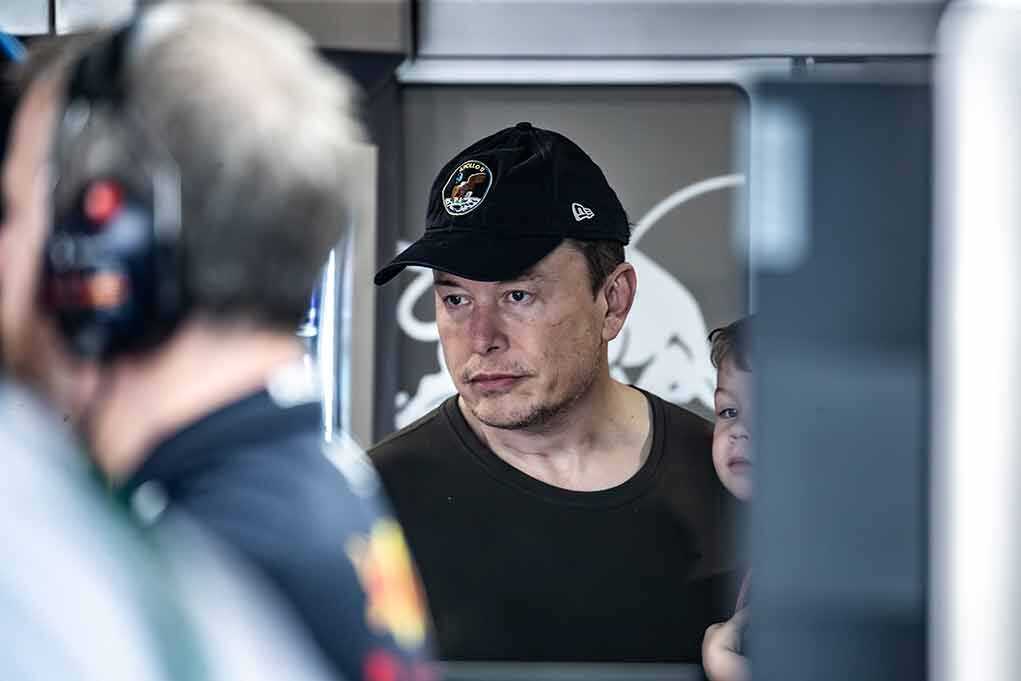
Elon Musk poured at least $276 million into Republican efforts this cycle, with a huge share routed to Senate and House battlefield groups, supercharging ground operations ahead of November.
Story Highlights
- Musk sent $158 million to the Senate Leadership Fund to boost GOP Senate races.
- America PAC built a large canvassing and turnout program across key states.
- Donations also backed House control through the Congressional Leadership Fund.
- Major outlets reported consistent totals since July, anchored in federal filings.
Record GOP Giving Concentrated In Battle-Tested Committees
Reports dated October 12 say Elon Musk became the cycle’s largest known donor, driving at least $276 million into Republican-aligned groups since July. Coverage identifies $158 million for the Senate Leadership Fund, a super political action committee focused on winning Senate races. This committee is built to target close contests and fund late media, turnout tools, and data. The concentration shows a clear plan: secure Senate seats, defend close states, and strengthen the firewall for conservative priorities.
Reuters and CNBC detail two large transfers to the Senate Leadership Fund, with $75 million reported on September 9 and $83 million on September 23, totaling $158 million. That kind of late-season cash matters. It buys air time in expensive markets and locks in ground coverage when voters are paying attention. It also frees campaigns to focus on field and message instead of last-minute fundraising. For readers, that means help where it counts: seats that decide the Senate.
America PAC Built A Ground Game, Not Just Ad Buys
The New York Times reported that America PAC used more than $76 million to stand up a canvassing and turnout program across seven Senate battlegrounds and nearly three dozen House races. The Associated Press described a push to rebuild a major door-knocking operation, the kind of face-to-face contact many conservatives argue beats glossy ads. Door knocks move undecided voters and rally reliable supporters. Strong field teams also help guard against ballot chaos and last-minute rule changes that frustrate conservatives.
Some outlets later cited $89 million tied to America PAC based on federal filings, while others stuck with $76 million from earlier reports. That difference likely reflects reporting windows or amended reports. The bottom line is unchanged: the group operated a real ground program, not a paper shell. That aligns with a conservative lesson from past cycles. Durable wins come from both message and muscle, especially in states where the left enjoys institutional help from unions and activist networks.
House Control Also Drew Major Support
Coverage shows the giving was not just about the Senate. The Hill reported $20 million went to the Congressional Leadership Fund, which backs Republican House candidates. That money supports competitive districts where small shifts decide control. House majorities shape the national agenda, restrain runaway spending, and check executive overreach. With inflation, high energy costs, and border failures still top of mind, focusing on House defenses helps keep a brake on the same failed ideas many readers fought in recent years.
Large donors and independent committees are a feature of politics after the Supreme Court’s Citizens United ruling. The Congressional Research Service explains that corporations, unions, and individuals may make unlimited independent expenditures if they do not coordinate with campaigns, and that federal law requires public disclosure. That legal structure lets outside groups scale up late operations, while transparency lets voters see who funds what. Conservative readers should view these disclosures as sunlight that protects speech and keeps the process accountable.
Why This Scale Matters For 2026
Major outlets, including CNBC, CNN, the Associated Press, Reuters, and The New York Times, reported similar totals and the same $158 million Senate Leadership Fund figure, which strengthens confidence in the scope and focus of the giving. The evidence is strongest on dollars and destinations. Analysts note that proving exact vote effects is harder, but field spending can still shape the map by boosting turnout, defining issues, and keeping races within reach. Smart money targets choke points. That is what we see here.
For conservatives, the takeaway is practical. Targeted funds are backing border security champions, pro-growth energy voices, and leaders who will resist bloat and bureaucracy. Ground teams are meeting voters at the door, not just on screens. The left still enjoys legacy networks, media allies, and union muscle. This time, Republicans are answering with resources, data, and people. That is how you defend the Constitution, protect families, and check chaos at the ballot box.
Sources:
axios.com, cnbc.com, cnn.com, nytimes.com, apnews.com, commondreams.org, thehill.com, degruyter.com