

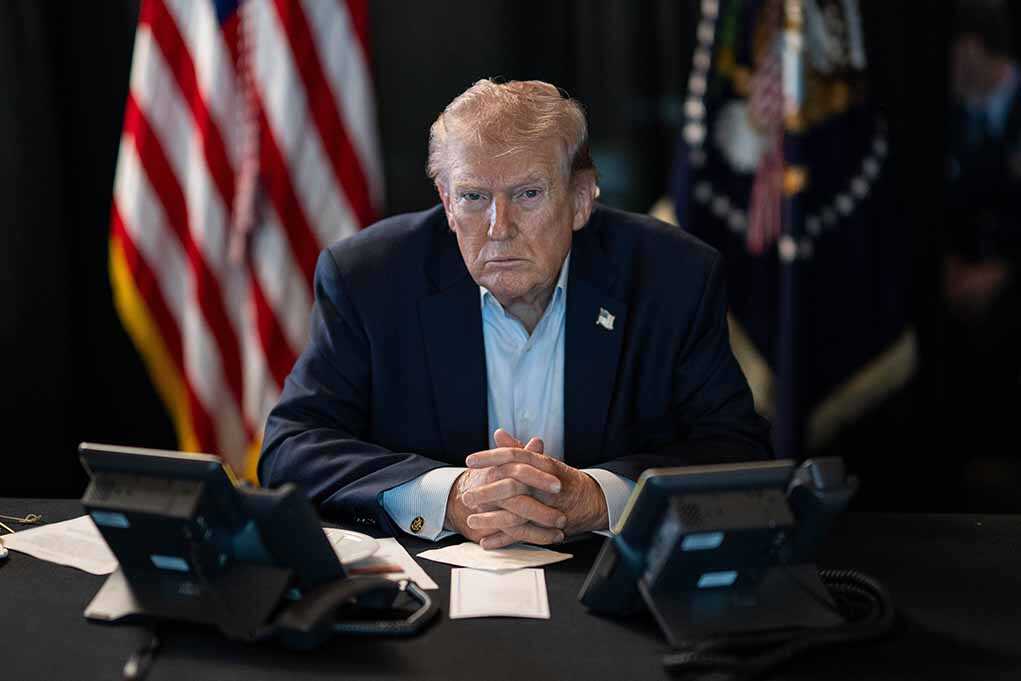
A high-profile antiwar push is pressuring President Trump to end the Ukraine war now and purge top national-security officials tied to continued aid.
Story Snapshot
- Joe Kent urges Trump to end the war immediately and fire four senior officials.
- The plan targets U.S. support channels to Ukraine and certain ties with Israel.
- Trump has said he wants the war ended and is working diplomatic angles.
- Senior Republicans defend current policy and warn against empowering Russia.
What Joe Kent Is Demanding From the White House
Veteran and conservative commentator Joe Kent published a detailed call for President Trump to “end the war today.” He urges removals of Defense Secretary Pete Hegseth, Central Intelligence Agency Director John Ratcliffe, Secretary of State Marco Rubio, and Chief of Staff Susie Wiles. He also pushes for curbs on U.S. military support that he says enable escalation. His article argues for immediate policy shifts, not just rhetoric, and outlines steps to force a cease-fire push.
Kent’s program proposes recalling the U.S. ambassador to Israel and pulling key missile-defense assets that Washington provides to the Israelis. He links those actions to a broader reset of American leverage. He also calls on the administration and Congress to unwind statutory authorities he says funnel sensitive capabilities to Israel. He points to specific sections in defense and intelligence laws as targets for repeal and review, framing them as tools that can and should be changed now.
How This Intersects With Trump’s Stated Goal to End the War
President Trump has said on camera that he wants the war ended and that his team is working with the parties to reach that outcome. He described efforts that include pressure on Ukraine as well as talks that involve Russia. His remarks set a public objective that aligns with stopping the killing and moving to negotiations. That on-record stance gives energy to outside proposals that demand faster, sharper action from the White House today.
Reporting on policy steps shows Washington has already used leverage to slow certain Ukrainian strikes and has explored energy arrangements with Russia. Those moves suggest an attempt to shape battlefield incentives and open space for talks. Critics argue such actions risk sending mixed signals. Supporters say they can cap escalation and drive both sides toward a deal. The foreign-policy tracker records these developments during the current debate.
Pushback From Inside the National-Security Establishment
Defense Secretary Pete Hegseth says the United States has not changed its posture toward Ukraine. He stresses that American forces also need Patriot interceptors and that stockpiles were strained by earlier aid. He adds that the policy aim remains peace, with both sides urged to come to the table. His comments defend resource priorities while keeping the administration’s stated end-the-war goal in view.
Secretary of State Marco Rubio says weapons decisions must account for U.S. bases, allied needs, and North Atlantic Treaty Organization requirements. He denies any directive to harm Ukraine and notes that European partners can still buy and transfer arms. Senate Republican Leader Mitch McConnell warns that cutting intelligence or weapons could enable Russian gains and fail to secure a just peace. He calls for continued strength and clear blame on Russia’s aggression.
The Israel Dimension and What Can Actually Change Fast
Kent’s plan would restrain parts of U.S.-Israel security cooperation by pulling missile-defense assets and revisiting legal authorities. That approach challenges a long-standing framework backed by a 10-year memorandum of understanding that funds Israeli military aid and joint missile-defense work. Changing those flows and authorities would require both executive decisions and congressional action. That hard reality shapes the pace and scope of any rapid shift in policy.
Under American law, presidents can move forces, change deployments, and fire political appointees. Congress controls the purse and many programs. The War Powers framework and related precedents split authority between the branches. That means a president can push hard and fast, but lasting changes to funding and statutory rules often need votes on Capitol Hill. Any “end it today” plan must fit inside that constitutional structure to stick.
What Conservatives Should Watch Next
First, watch for clear written directives from President Trump that set timelines, conditions, and leverage for a cease-fire or peace process. Second, look for personnel moves and interim appointments that maintain readiness while aligning the team with the President’s goal. Third, track any requests to Congress to adjust authorities or funding tied to Ukraine and Israel. These signals will show whether the White House turns broad intent into enforceable policy steps.
Fiscal hawks will also watch stockpile rebuild plans, accountability on past aid, and guardrails against mission creep. Peace through strength means protecting U.S. troops, stopping endless funding drains, and keeping our focus on American security and prosperity. The debate now is not about slogans. It is about who sets the policy lever by lever, how fast those levers move, and whether Washington finally matches words with results that end the war on terms that serve America first.
Sources:
realcleardefense.com, responsiblestatecraft.org, fdd.org, reuters.com, washingtonpost.com, theatlantic.com, foxnews.com, cbsnews.com, thehill.com