

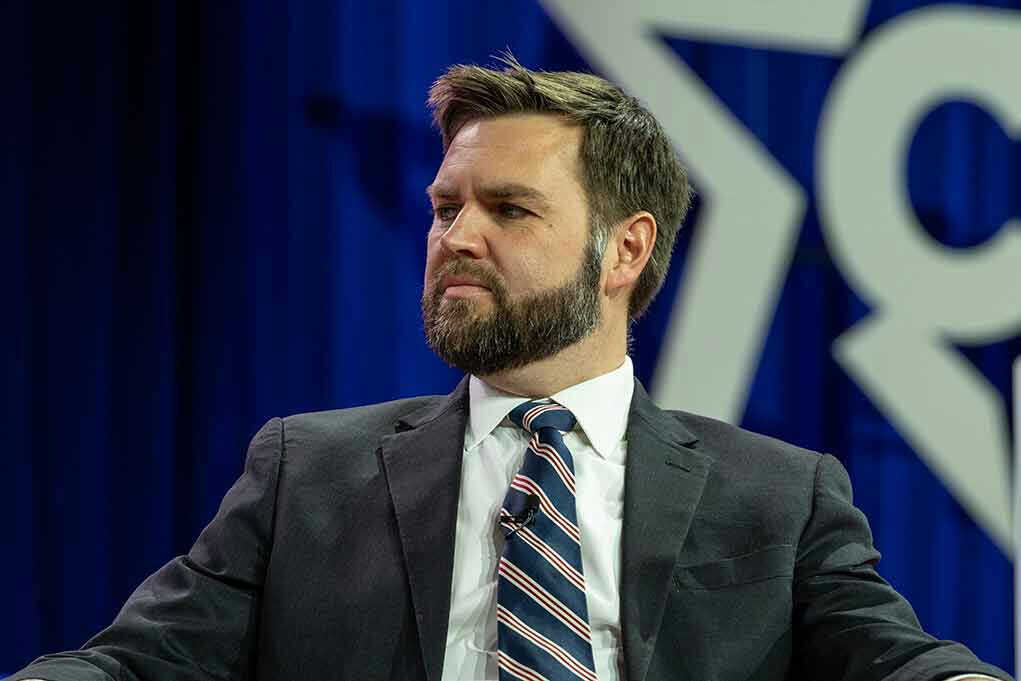
Vice President JD Vance publicly split with President Trump on how to handle Iran, sharpening a high-stakes debate inside the America First movement.
Story Highlights
- White House says Iran’s regime still threatens U.S. security and allies, requiring sustained pressure.
- President Trump argues the Iran strategy serves long-term U.S. interests despite costs.
- Vice President JD Vance favors a narrower, lower-cost path, breaking with Trump on scope and tempo.
- Conservative media voices press competing endgames, from decisive finish to measured containment.
What The Administration Has Put On The Record
The White House stated in February 2026 that Iran’s nuclear work, missile buildup, and support for terror endanger American security and allies. The statement said these threats demand a “sustained and intensified response,” and it laid out new economic tools, including penalties on countries doing business with Tehran, to choke the regime’s cash and reach. This is the administration’s baseline: keep pressure high, block a nuclear weapon, and protect Americans and partners from Iran’s aggression.
President Trump has also framed the strategy as a long-term investment in safety and strength. He said the decision to confront Iran remains in the best interests of the United States and the world, even as fuel prices rose and political costs mounted after the midterms. Trump has argued that ending the conflict requires a firm guarantee Iran will never get a nuclear weapon and that the United States will decide the timing and terms of any endgame.
Where JD Vance Parts Ways
Vice President JD Vance has signaled a different path on Iran’s scope and cost. He favors tighter objectives, lower exposure for U.S. forces, and faster economic leverage with fewer open-ended commitments. That stance contrasts with Trump’s call for sustained, wide pressure until Tehran yields on nuclear ambitions and regional terror support. Vance’s view appeals to conservatives who want strength without drift, sharper limits on mission creep, and a plan that protects U.S. industry from energy price shocks at home.
Vance’s break reflects a live debate on what “America First” demands in practice. One side stresses relentless pressure until Iran’s regime has no path to a bomb and no cash for terror. The other side wants a precise target set, clear red lines, and tight timelines to avoid a drawn-out grind. Both camps agree Iran is a threat. They differ on the speed, scale, and risk that America should accept to force change in Tehran while keeping costs and inflation down for families here.
Conservative Voices Push Competing Endgames
Conservative media figures are also split over the right finish line. Some argue wars must end decisively, not by economic pressure alone, and urge stronger support for Iranian opposition to break the regime. Their shows in recent weeks framed this as the only sure way to stop the bomb and end proxy terror, not just manage it. Others warn that mission creep would drain resources, hit gas prices, and shift focus from border security, crime, and inflation at home.
This divide intensified after the midterms, when some commentators blamed strategy choices and communication for voter anger over war costs and energy pain. Trump loyalists point to the White House record that Iran’s threat is real and growing, and they say resolve now will prevent a far worse fight later. Skeptics counter that resolve must be matched with a tight exit concept and hard limits that protect the U.S. worker and taxpayer first.
Four Steps To Reunite America First On Iran
First, define victory in plain terms the public can check. The administration should publish a short list of measurable goals: no enriched uranium beyond a set cap, verified dismantling of key sites, and a halt to armed proxy attacks. Tie each goal to clear triggers for more pressure or relief. This keeps the mission narrow, denies mission creep, and lets Congress and voters see progress without guesswork.
Second, lock an “energy shield” at home. Expand domestic drilling permits, speed pipelines, and clear refineries to blunt price spikes tied to Iran policy. Third, codify snap-back economic penalties on any country that funds Tehran’s oil and arms networks, using the tariff process the White House outlined, so pressure does not fade with time. Fourth, set a firm review cycle with Congress. Every 90 days, brief lawmakers on goals, costs, and risks. Sunlight builds trust and keeps the mission honest.
What Readers Should Watch Next
Watch for the next formal White House update on Iran policy. Look for whether the stated goals match the narrow list above and whether social and energy costs are addressed up front. Track President Trump’s language for firm nuclear red lines and timing for de-escalation, which he has said must ensure Iran never gets a bomb. Watch Vice President Vance’s remarks for budget, troop exposure, and energy measures that point to his tighter approach.
Bottom Line For Conservatives
Iran’s rulers threaten our people, our troops, and our allies. The White House record says sustained pressure is needed. President Trump says the long-term gains are worth the price. Vice President Vance wants a sharper, cheaper path to the same end. Uniting the movement means clear goals, a homefront energy shield, hard penalties for Tehran’s cash lifelines, and strict oversight. Strength with limits protects American lives, our wallets, and our freedom.
Sources:
theatlantic.com, huffpost.com, iranintl.com, responsiblestatecraft.org