
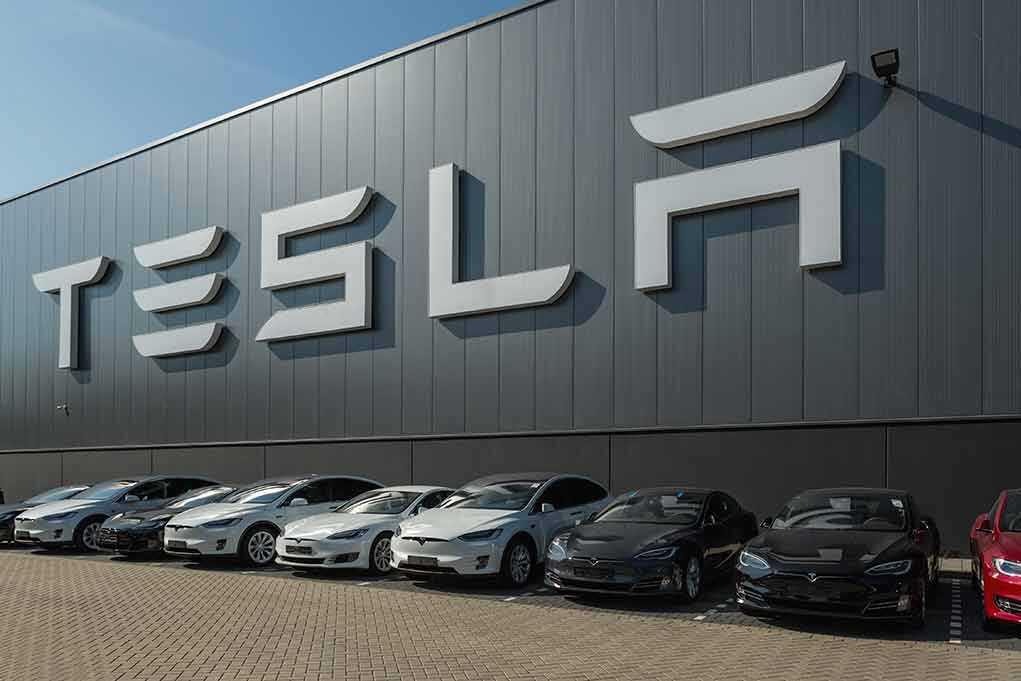
Tesla is winding down Cybertruck production in Texas to make room for a driverless “Cybercab” fleet already taking paid riders in Austin — with federal safety auditors watching every step.
Story Highlights
- Tesla began paid Cybercab service in Austin and says the cars meet federal safety rules.
- Elon Musk said Cybertruck production at the Texas factory will wind down to expand Cybercab output.
- The National Highway Traffic Safety Administration (NHTSA) opened an audit of Tesla’s self-certification.
- NHTSA flagged the lack of pedals, steering wheel, and mirrors as central compliance questions.
Tesla Shifts Factory Capacity From Cybertruck To Cybercab
Elon Musk said Tesla will wind down Cybertruck production at Gigafactory Texas to expand Cybercab manufacturing next year, marking a major pivot away from the stainless steel pickup and toward driverless ride-hailing at scale. Reports tied the decision to weak Cybertruck sales and narrow market reach, while portraying Cybercab as Tesla’s next growth bet. The shift signals that the company is betting factory space, workers, and capital on autonomy rather than traditional models.
The National Highway Traffic Safety Administration (NHTSA) vehicle record for the 2026 Tesla Robotaxi shows Tesla began paid rides in Austin in September and told the agency the cars meet all applicable Federal Motor Vehicle Safety Standards (FMVSS). That record provides the first official confirmation of a limited commercial rollout. It anchors Musk’s production move to a real service, not just a prototype demo, and sets the stage for a broader expansion if safety and compliance hold.
Regulators Probe Self-Certification And Missing Manual Controls
NHTSA launched an Audit Query in early September to examine how Tesla concluded its driverless Cybercab meets federal safety rules under the self-certification system. The agency said it will review the technical basis for compliance and whether Tesla treated some standards as not applicable to this design. This is a common path for novel vehicles in America’s self-certification model, but it means the government has not yet endorsed Tesla’s approach beyond allowing deployment to proceed.
NHTSA’s public record underscores the core issue: Cybercabs lack a permanently attached brake pedal, accelerator pedal, steering wheel, and conventional mirrors. The agency will assess how that layout fits with rules that were written for human-driven cars. Reuters and other outlets also reported that NHTSA asked if the vehicle can be driven by a human or moved through touchscreen controls, while noting that current rules still apply until any updates are finalized.
Early Operations In Austin Show Promise But Limited Scope
The Austin launch gives Tesla real-world data, but the fleet remains small and localized, which limits conclusions about safety at scale. Coverage said Tesla installed significant factory capacity for Cybercab and set plans to expand beyond Austin, yet acknowledged that approvals and technical validation remain hurdles before wider rollout. The NHTSA inquiry can shape public views by framing compliance as unresolved, even as rides continue under Tesla’s self-certification.
The CyberTruck is officially being discontinued 🪦
Elon Musk announced that Tesla will wind down Cybertruck production at its Texas factory around mid-2027 to make room for increased production of its two-seat Cybercab robotaxi. pic.twitter.com/VvGY1Kbuta
— Complex (@Complex) November 6, 2026
Some reports highlighted first-responder concerns about unique doors and the lack of manual controls, and described rider experiences where routing avoided highways and drop-offs were less direct than a human driver. Those anecdotes do not negate the launch facts, but they point to user-experience and emergency-response questions that Tesla will need to address as it scales. Strong, transparent safety data would help answer those concerns and build trust with riders and local officials.
What This Means For Consumers, Communities, And Policy
For consumers, the promise is simple: cheaper rides, less waiting, and safer trips than today’s ride-hailing drivers can offer. For now, Austin riders can try the service, but they should expect limited routes, cautious driving, and feature gaps while Tesla refines the system. For communities, robotaxis could reduce drunk driving and expand mobility, but they can also add traffic if empty vehicles reposition often. Clear operating rules and honest data are vital before mass deployment.
For policymakers in President Trump’s administration, the path is to keep innovation moving while enforcing the law. The United States relies on self-certification to speed products to market. That structure works when companies prove compliance with evidence and fix problems fast. NHTSA’s audit should push for complete test files, straight answers on missing pedals and mirrors, and clear emergency procedures, without imposing red tape that kills American jobs or cedes leadership to foreign rivals.
The Conservative Bottom Line
Tesla’s pivot shows American industry still takes bold bets, builds at home, and tries new ideas. That is good for jobs and for U.S. tech leadership. But no company should get a free pass. The law protects families on the road, and rules exist for a reason. The right balance is simple: prove compliance, publish safety data from Austin, answer first responders’ needs, and scale up only when the results match the promises. That is common sense and good governance.
Sources:
washingtontimes.com, finance.yahoo.com, techcrunch.com, uk.pcmag.com, abc30.com, insideevs.com