
United Nations food cuts will drop monthly aid in Gaza from 1.6 million to 1.1 million people, leaving about 500,000 without WFP support as winter nears.
Story Highlights
- World Food Programme says it needs $450 million to keep Gaza and West Bank operations running for six months.
- Daily hot meals drop from 250,000 to 150,000; food parcels and cash aid also shrink.
- Multiple outlets confirm the 500,000-person cut and the funding shortfall claim.
- Israeli COGAT disputes that supply is the main problem and says markets are stocked.
WFP Confirms 500,000 Fewer People Will Receive Monthly Aid
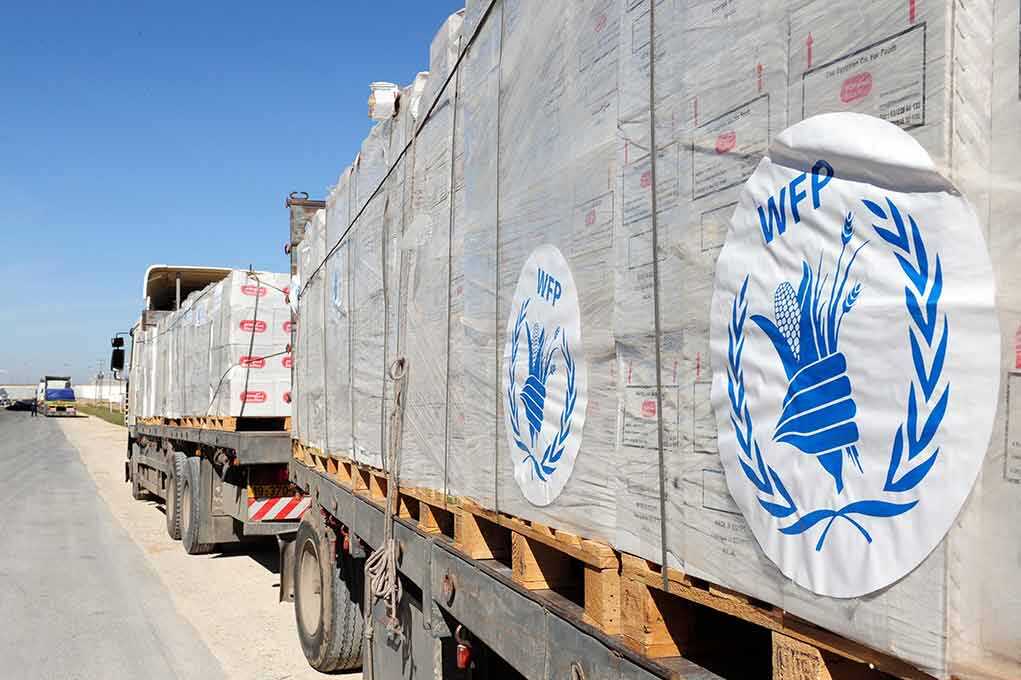
World Food Programme leaders said on October 19 they will reduce coverage in Gaza from 1.6 million to 1.1 million people because funding fell below half of normal levels this year. The agency tied the change directly to cash shortfalls and asked donors for $450 million to sustain six months of food operations across Gaza and the West Bank. Reporters from Europe, the United States, and the Middle East confirmed the size and timing of the cut and the stated reasons.
Program managers also described deep changes to what families receive. The agency said families who once got two food parcels will now get one, daily hot meals will drop from 250,000 to 150,000, and cash aid will be cut for tens of thousands of families. These reductions apply across several delivery channels, not just one. The net effect is less food on tables, fewer meals per week, and thinner reserves if supply chains break again. The agency warned needs remain high even with recent access gains.
Why The Cuts Are Happening Now
Officials blamed donor fatigue and other crises for weaker 2026 funding. They said their Palestine operation received under half of prior-year resources, forcing triage toward the highest-risk groups. The $450 million ask is large but time-bound and reflects rising costs for food, fuel, and logistics. Several outlets echoed the same numbers and framing on the same day, which strengthens confidence in the core facts even as full budget spreadsheets were not shared in reports.
Humanitarian analysts also tracked changing needs over time. An Integrated Food Security report said access improved after an October 2025 ceasefire, allowing aid to scale up, then down again as funding and permissions tightened. That review recorded that in-kind assistance reached about 1.49 million people by May 2026, down from a 2.13 million peak in November 2025, and warned that future cuts could follow both money gaps and uncertainty over authorizations for dozens of international groups.
Dispute Over What Is Blocking Food Access
Israel’s Coordination of Government Activities in the Territories office pushed back on the idea that not enough food is entering the Strip. It said Gaza is flooded with aid and that Israel prioritizes humanitarian shipments when organizations request them. The office also said there are no Israeli barriers to moving aid inside Hamas-run Gaza, pointing instead to internal logistics and program choices as possible limits. This claim conflicts with the World Food Programme’s funding-first explanation.
British reporting added a different angle. Journalists said many markets now have food on shelves, but families cannot afford to buy it after years of war and job loss. That detail matters. It shows that “supply in” and “food on plates” are not the same thing. If households lack cash and charities lack funds, stocked stores will not stop hunger. This also explains why cash vouchers and subsidized meals are central to relief plans in war zones.
What This Means And What Comes Next
The bottom line is simple and sobering. The World Food Programme will serve 500,000 fewer Gazans each month unless donors fill a $450 million gap. Cuts span food parcels, hot meals, and cash aid, which means fewer safety nets across the board. Even with better access than during peak fighting, aid groups say needs still outrun resources. Conservative watchers can recognize a core lesson here: without clear oversight, defined goals, and burden-sharing, large systems fail the people they claim to help.
For American readers, two practical steps matter. First, demand transparency from every institution moving money or goods into conflict zones. Show the budgets, the burn rates, and delivery results. Second, tie any U.S. support to hard conditions that prevent diversion, confirm deliveries, and promote real self-reliance. Accountability protects taxpayers and ensures aid reaches families, not cartels or corrupt networks. Clear rules and proof of delivery are not cold; they are compassionate and effective.
Sources:
apnews.com, dw.com, biz.heraldcorp.com, bbc.com, un.org