

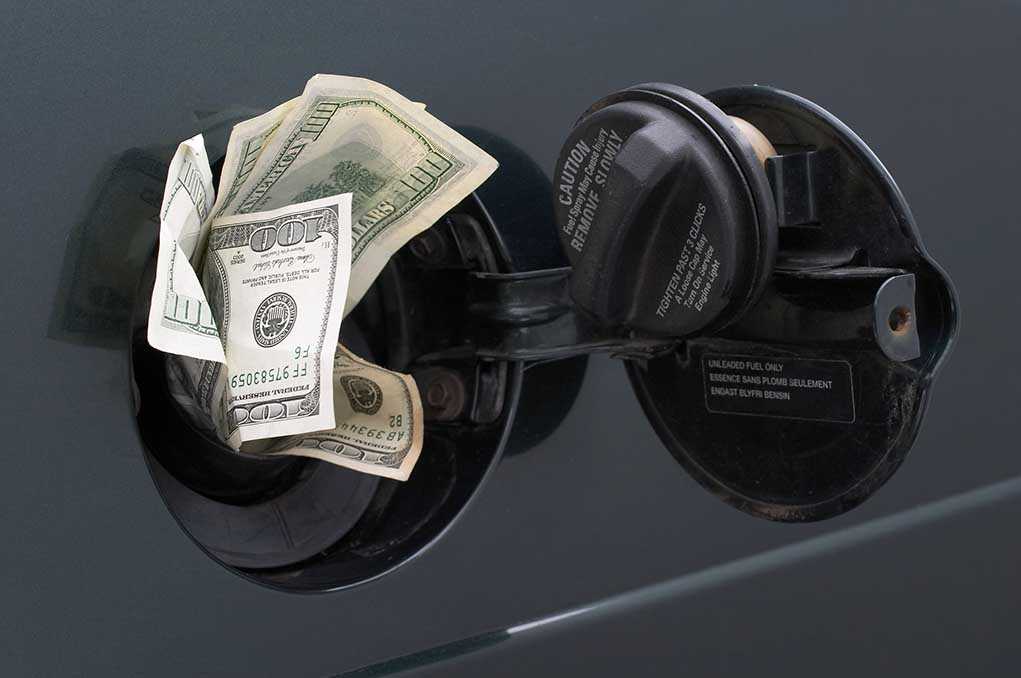
A new government report shows inflation jumped to 3.7% in September, even as President Trump told Americans the numbers are actually good news.
Quick Take
- The Bureau of Labor Statistics says annual inflation hit 3.7% in September, up from 3.4% in August.
- Gasoline prices spiked 9.1% for the month and made up more than half the overall increase.
- Core inflation, which strips out food and energy, climbed to 2.6% from 2.4% the month before.
- President Trump pointed to core numbers and other bright spots while critics focused on the headline rate.
- The report landed just three weeks before the midterm elections, raising the political stakes for both sides.
Prices Rose Faster Than Expected Last Month
The Consumer Price Index rose 0.6% in September, pushing the annual inflation rate to 3.7%. That is up from 3.4% in August and came in higher than economists had predicted. The monthly increase also beat August’s 0.4% pace, meaning prices did not just rise, they rose faster than the month before.
Gas Pump Pain Drove Most of the Jump
Gasoline prices surged 9.1% in September alone and accounted for more than half of the entire monthly increase in the index. For families already stretched thin by years of high costs, that kind of spike at the pump is impossible to ignore, no matter what the overall statistics say. Gas was also reported up 34.2% compared to a year earlier, the largest monthly CPI jump since April.
Energy market disruptions tied to ongoing conflict in the Middle East have been cited as a factor pushing fuel costs higher this year, adding real-world consequences for everyday drivers well beyond a line item on a government spreadsheet.
Trump Points to Core Inflation as the Real Story
President Trump has repeatedly told supporters at rallies that “we don’t have inflation,” leaning on the narrower core inflation figure, which excludes volatile food and energy prices and came in at 2.6% for the year. Core inflation is a long-used government measure meant to show underlying price trends without gas and grocery swings skewing the picture, a distinction economists have used for decades.
Food prices held steady in September, giving the administration another data point to argue that everyday grocery costs are not spiraling out of control the way gas prices are. CBS News described the president as hunting for “silver linings” in a report that, on its surface, looked worse than expected.
The Numbers Still Tell a Tougher Story
Core inflation itself rose from 2.4% in August to 2.6% in September, which undercuts any claim that rising prices are purely an energy story. New vehicle prices rose 0.2%, and housing costs climbed 0.4%, showing cost pressure is not limited to the gas pump. That makes it harder to call the overall inflation picture simply “low,” even with core inflation running below the headline rate.
None of this changes the basic math conservatives have lived with for years: the dollar buys less than it used to, and families feel it every time they fill up the tank or check out at the grocery store. Whether the number is 3.7% or 2.6%, it is still higher than Americans were promised, and Washington’s spending habits remain a root cause worth real scrutiny.
Election Timing Raises the Political Temperature
This inflation report landed just weeks before the midterm elections, guaranteeing both parties will fight over how to frame it. Democrats are already using the 3.7% headline number to argue the economy is struggling under President Trump, while the White House is highlighting core inflation and stable food prices to push back on that narrative.
Voters do not need a government economist to tell them whether their paycheck stretches further or not. They will judge this debate at the gas pump and grocery store long before they judge it at the ballot box, and no amount of spin from either side will change what their wallets tell them.
The Bureau of Labor Statistics data stands as the official record here. Both sides are arguing over how to interpret the same numbers, not disputing what those numbers actually are.
Sources:
cbsnews.com, bls.gov, theatlantic.com, finance.yahoo.com, ippsr.msu.edu