

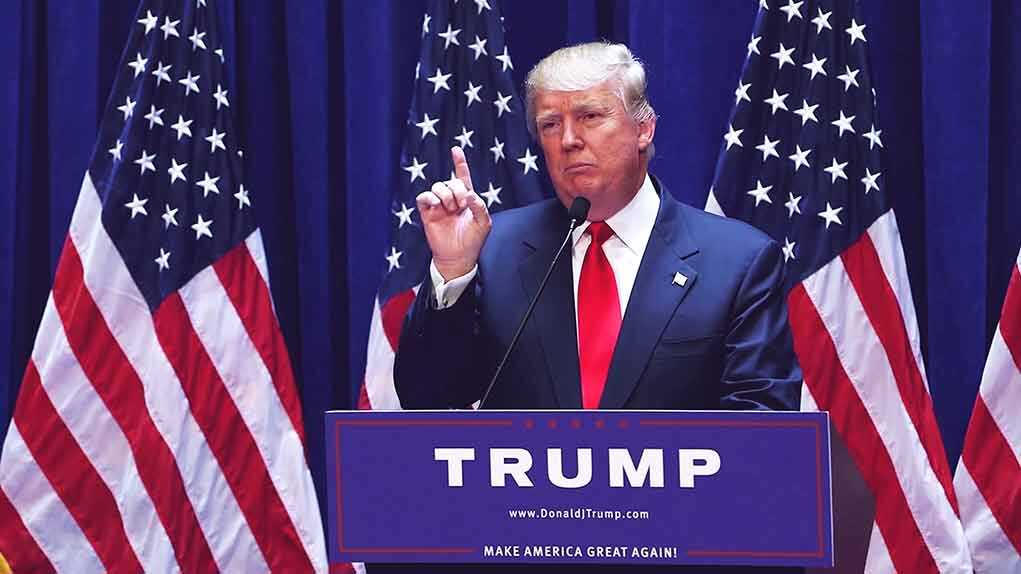
President Trump has asked the Supreme Court to revive his lawsuit claiming Hillary Clinton and allies smeared his 2016 campaign with a false Russia-collusion narrative, reopening a high-stakes fight over truth, accountability, and abuse of power.
Story Highlights
- Trump petitioned the Supreme Court after lower courts dismissed his lawsuit and imposed sanctions on his attorneys.
- The Mueller investigation found no criminal conspiracy between Trump’s 2016 campaign and Russia.
- The Durham review and congressional materials flagged serious FBI errors in the Russia probe’s launch and FISA process.
- A bipartisan Senate inquiry said Russia ran an influence campaign aimed at hurting Clinton and helping Trump.
What Trump Is Asking the Supreme Court To Do
President Trump filed a petition asking the Supreme Court to reinstate his 2022 civil lawsuit that targeted Hillary Clinton, Democratic lawyers, and others. The suit alleged a coordinated effort to push a false collusion story during the 2016 race. A federal judge dismissed the case and later ordered almost one million dollars in sanctions against Trump’s lawyers. The United States Court of Appeals for the Eleventh Circuit mostly upheld those rulings in 2025, prompting this new appeal.
Trump’s filing challenges how the lower courts handled conspiracy and racketeering claims tied to the Russia narrative. His argument centers on the harm from years of claims that his campaign secretly worked with Moscow. His team points to official findings that cut against the collusion storyline. The petition asks the justices to correct what he calls legal errors that blocked a jury from hearing core facts. The Supreme Court will decide whether to take the case or let the lower rulings stand.
Key Findings That Shape the Legal Battlefield
The Department of Justice’s summary of the Special Counsel report said investigators did not find that the Trump campaign, or anyone tied to it, conspired or coordinated with Russia to influence the 2016 election. That conclusion undercuts the broad collusion claim that fueled years of headlines and political damage. This matters because Trump’s lawsuit argues that opponents knowingly pushed a false narrative that went far beyond what any official probe could support in court or in public.
Separate reviews exposed serious problems in the government’s early steps. Congressional materials summarizing the Special Counsel John Durham report describe weak grounds to open the case, failures to weigh evidence that cut the other way, and misuse of secret surveillance under the Foreign Intelligence Surveillance Act. Those findings suggest officials broke trust and process while targeting a presidential campaign, a warning sign for civil liberties and the rule of law that conservatives have raised for years.
What Russia Actually Did—and What That Means Here
A bipartisan Senate Intelligence Committee review said Russia ran an influence campaign to harm Hillary Clinton and help Donald Trump. The committee backed the intelligence community’s assessment on that point. Those findings do not prove a criminal conspiracy by Trump’s team, but they do confirm Moscow’s meddling efforts in 2016. Supporters of the lawsuit say these two realities can both be true: Russia interfered, and the collusion story about the campaign itself exceeded the facts.
This mix of facts frames the legal test. The question before the Court is not whether Russia interfered. It is whether Trump can pursue claims that political actors and operatives built and spread a knowing falsehood about his campaign’s conduct. The lower courts dismissed his case and punished his attorneys. Trump argues that move shut the door on accountability and shielded powerful players from being questioned under oath about how the story took hold.
Why Conservatives See a Larger Fight Over Fair Play
Conservatives see a pattern: secret warrants misused, exculpatory leads ignored, and a media drumbeat that treated rumor like proof. They view the sanctions on Trump’s lawyers as a message to anyone who challenges the old story line—sit down and be quiet. If the Supreme Court takes the case, it could reset how courts treat political disinformation claims, government missteps, and the right to seek redress when reputations are dragged through the mud.
President Donald Trump asked the U.S. Supreme Court to revive his dismissed lawsuit against his 2016 Democratic rival Hillary Clinton. https://t.co/Dp4rQz5JsG pic.twitter.com/6tlCNGlmVq
— The Daily Record (@MDDailyRecord) October 13, 2026
The stakes reach beyond one lawsuit. The outcome could shape limits for partisan opposition research that spills into law enforcement and the press. It could also check government overreach that chills speech, taints elections, and erodes trust in equal justice under the law. President Trump is not asking the Court to rewrite 2016. He is asking for a fair chance to prove, in court, that the collusion tale crossed legal lines and caused real harm to a candidate and a presidency.
Sources:
govinfo.gov, gop.gov, cnn.com, bookstore.gpo.gov, collins.senate.gov, apnews.com