

Saudi Arabia’s cabinet vowed the Houthi militants will face consequences after deadly strikes on Saudi airports and threats to Red Sea shipping.
Story Highlights
- Saudi cabinet warned Houthis after attacks on Riyadh and Abha airports and threats to holy cities.
- Reuters reports deadly airport strikes and Houthi claims of more attacks on airports and oil sites.
- Saudi leaders tied the warning to freedom of navigation in the Red Sea amid ongoing disruptions.
- Houthis frame their actions as a blockade focused on Saudi-linked vessels, not all shipping.
Saudi Cabinet Issues Firm Warning After Civilian Deaths
Saudi Arabia’s cabinet said the Houthi group would “bear the consequences” for attacks on airports, the holy cities of Mecca and Medina, and vital economic sites. The cabinet linked the warning to the kingdom’s security and to freedom of navigation in the Red Sea. Saudi officials have faced a grim week. Reuters reported people killed and dozens wounded after strikes on King Khalid International Airport in Riyadh and on facilities at Abha airport in the southwest. The warning signals a tougher stance.
Saudi media echoed the cabinet, calling Houthi operations “recurrent, heinous attacks” that target civilians and economic infrastructure. The message framed the Houthi campaign as terrorism that would not go unanswered. Government language stressed both sovereignty and safety for travelers and pilgrims. Officials highlighted risk to airports and to navigation lanes that serve global trade. The cabinet’s wording set a clear red line and a public promise of accountability for future attacks.
Houthis Claim Responsibility and Threaten More Strikes
Houthi military spokesman Yahya Saree claimed responsibility for the Riyadh airport strike and warned of more attacks on Saudi airports and oil facilities. Reuters said the group also claimed hits on Dammam airport and Saudi Aramco sites, and vowed to keep up pressure following earlier deadly strikes. Another Reuters report said three people were killed at Riyadh’s airport, as the group tried to shut down airspace with missiles and drones amid a widening fight. These claims raised public alarm.
Saudi airports have been a repeated target. Reuters detailed one person killed and eight wounded in Riyadh, and two killed and 28 wounded at Abha facilities in the same period. The pattern matches past Houthi tactics of using drones and missiles to reach deep into Saudi territory. Saudi officials say these attacks strike civilian locations and economic lifelines. The focus on airports raises concerns for pilgrims, families, and business travelers, and for the oil supply chain that affects global prices.
Red Sea Security and Global Trade Stakes
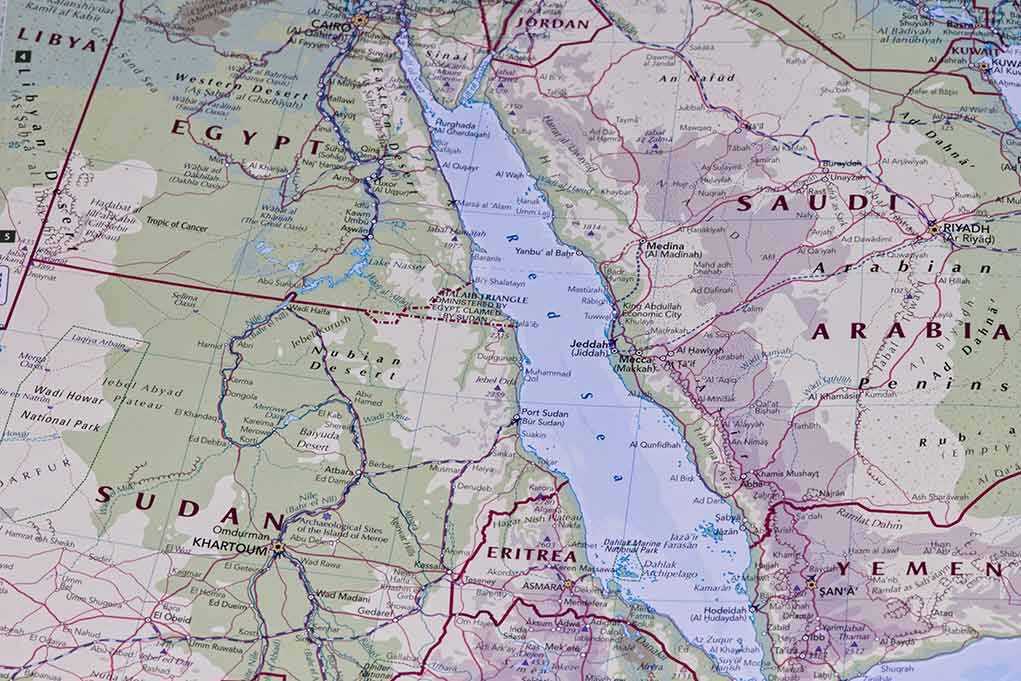
Freedom of navigation sits at the center of this fight. Saudi leaders tied their warning to safe passage through the Red Sea, a key route for energy and goods. Independent tracking shows the Houthi campaign since late 2023 has disrupted shipping and forced costly detours around Africa. Analysts reported steep drops in Suez traffic and higher insurance costs as attacks continued in the southern Red Sea and Gulf of Aden. These pressures hit supply chains and raise prices for families worldwide.
This maritime risk is not new. The Wilson Center noted more than 190 attacks on United States Navy or commercial vessels in the first eight months after the campaign began, showing a persistent threat to shipping. Academic and policy studies detail how major carriers rerouted vessels, adding days and millions in fuel and insurance costs. Saudi warnings therefore align with a broad record of danger to ships passing near Yemen. Protecting these lanes matters for American consumers and for allies who depend on stable energy flows.
Houthi Justifications and Limitations of Their Claims
Houthi leaders say they declared a maritime blockade against Saudi Arabia in response to a Saudi “siege” on Yemen. They argue navigation is safe for non‑Saudi companies and warn ships using Saudi ports could be targeted. Reports from the BBC and Reuters reflect these stated limits and threats, including emails to shippers about avoiding Saudi ports. These claims do not dispute the airport strikes reported by Reuters; they instead try to narrow blame and justify targets.
The public record shows the Houthis continue to hit civilian airports and threaten economic sites inside Saudi Arabia while also pressuring sea lanes. Saudi Arabia’s cabinet response sets an official line: attacks that kill travelers and disrupt trade will bring consequences. For Americans, this matters at the pump and at the store. Stable shipping lowers inflation and supports jobs. Clear, lawful defense of navigation and civilian sites aligns with national interests and conservative principles of security and order.
Sources:
insiderpaper.com, reuters.com, aa.com.tr, english.aawsat.com, english.ahram.org.eg, news.sbs.co.kr, apnews.com