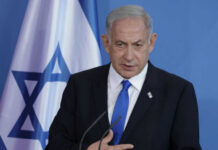

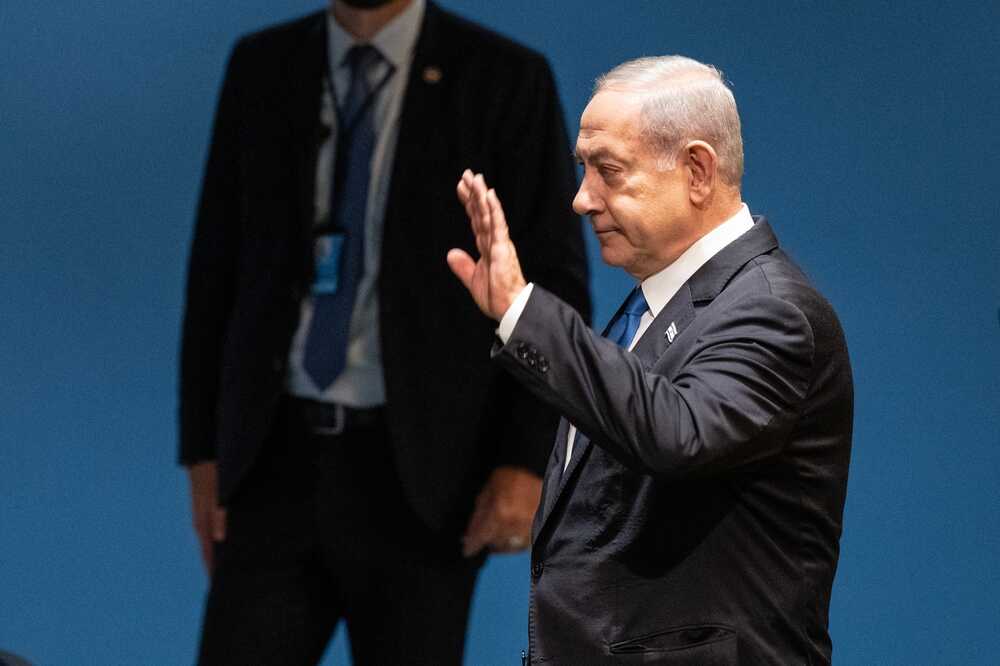
Israeli Prime Minister Benjamin Netanyahu ordered a strike in Qatar to hit exiled Hamas leaders, but the move likely failed and strained diplomacy.
At a Glance
- Israel struck a Hamas-linked site in Doha; top leaders reportedly survived.
- Five Hamas affiliates and a Qatari guard were killed.
- Qatar denounced the strike, calling it a breach of sovereignty.
- U.S. officials were caught off-guard, complicating ceasefire mediation.
- Netanyahu faces backlash from allies and critics over the failed hit.
Target Missed, Damage Done
Israel launched a precision strike Tuesday on a Doha compound believed to house senior Hamas leaders. Intelligence suggested a rare opportunity to decapitate the group’s political wing.
But the main figures—allegedly including Ismail Haniyeh—escaped unscathed. Instead, five lower-tier Hamas operatives and a Qatari security officer were killed.
Watch now: Israel carries out strike on senior Hamas leaders in Qatar
Israel has not officially confirmed its role. But senior officials defended the action as part of its broader war strategy, targeting Hamas abroad after decimating its Gaza leadership.
Qatar responded with fury, calling the attack an “unacceptable breach” of its sovereignty. It had been hosting key Hamas figures as part of a diplomatic effort to broker ceasefire talks.
Diplomatic Fallout Escalates
The strike rattled already fragile ceasefire negotiations. Qatar’s mediating role now hangs in the balance, as trust in Israel plummets.
Arab states expressed unified condemnation. Saudi Arabia, Jordan, and Egypt warned Israel against expanding the conflict into Gulf states. The strike undermines any illusion of regional containment.
U.S. officials were reportedly not consulted. The move undercut their ongoing hostage and truce mediation. One U.S. diplomat described it as “a rogue escalation.”
The Trump administration has yet to publicly rebuke Israel, but pressure is mounting. Lawmakers and regional partners have urged Washington to rein in Netanyahu’s military adventurism.
Bibi’s Political Chess
Netanyahu’s approval ratings have dropped amid rising war fatigue and domestic protests. Sources say he hoped a dramatic overseas strike would shift the political mood.
Hardliners in his coalition demanded harsher action against Hamas’s foreign wing. The Doha hit was intended as proof of resolve. But with no high-profile kills, critics call it a misfire.
Inside Israel, opposition leaders accuse Netanyahu of risking regional stability for political optics. Some warn the attack may push Qatar out of ceasefire efforts entirely.
At least 20 Israeli hostages are still believed to be alive in Gaza. A diplomatic breakdown now could imperil their chances of release.
What Comes Next
Qatar may reduce or freeze its mediation unless it receives firm guarantees. Some regional analysts expect a retaliatory diplomatic move—possibly expelling Israeli envoys.
Hamas is expected to exploit the attack for propaganda, portraying it as a failed Israeli assassination and proof of its leaders’ resilience.
Israel must now weigh whether to escalate further abroad or recalibrate. With global patience wearing thin, each new strike carries greater risk.
Meanwhile, Netanyahu walks a tightrope. Another misstep abroad could rupture alliances—and open new fronts he cannot afford.