
Russia Acknowledges Downing of Azerbaijani Passenger Jet, 38 Fatalities Reported
Story Highlights
- Russian President Vladimir Putin confirmed Russian forces were responsible for shooting down an Azerbaijani passenger jet.
- The incident resulted in 38 fatalities.
- The event occurred amidst Ukrainian drone activities.
- Putin’s admission follows an extended period of diplomatic tension and previous denials.
- Russia has pledged compensation and cooperation with ongoing investigations.
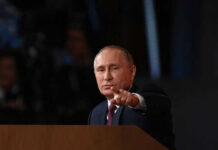
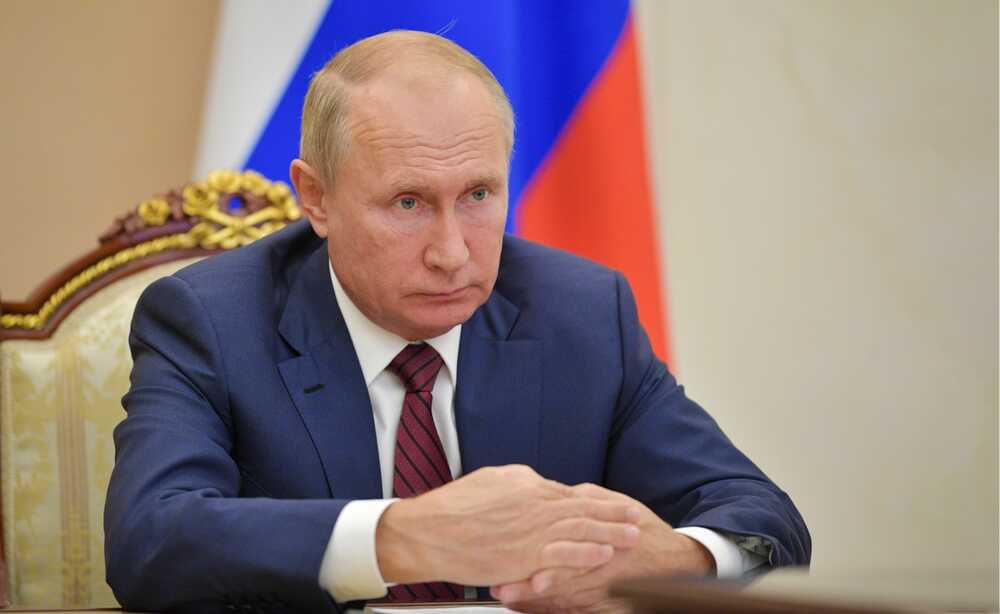
Dushanbe, Tajikistan – Russian President Vladimir Putin has admitted that Russian air defense forces were responsible for the downing of an Azerbaijan Airlines passenger plane, an incident that resulted in 38 fatalities. The admission was made during a summit with Azerbaijani President Ilham Aliyev. This statement marks a change from previous official positions, which had denied Russian involvement over several months.
BREAKING:
🇷🇺🇦🇿 Putin has publicly apologized to Azerbaijan over the AZAL plane crash in a meeting with Azerbaijan's President Aliyev.
"Russian air defenses were tracking three Ukrainian drones, and fired two interceptor missiles, which exploded near the plane while in air."… pic.twitter.com/UXCqWaaLn7
— Megatron (@Megatron_ron) October 10, 2025
The flight had been rerouted over Kazakhstan due to Ukrainian drone activity reported near Grozny at the time of the incident. This marks the first public acknowledgment by Russia of shooting down a foreign civilian airliner since the Cold War era. The incident underscores the inherent risks associated with civilian aviation in active conflict zones. President Putin has committed to providing compensation to the victims’ families and cooperating with ongoing investigations, with the aim of reducing diplomatic tensions that have persisted since the crash.
Context and Historical Incidents
The downing of the Azerbaijani jet took place amid ongoing military conflicts involving Russia and frequent Ukrainian drone strikes, which have maintained a high alert status for airspace in the region, particularly near Grozny. The deployment of advanced Russian air defense systems in populated areas has highlighted the potential for misidentification. Previous incidents, such as the 2014 downing of Malaysia Airlines Flight MH17 and the 1983 shooting down of Korean Air Lines Flight 007, serve as historical examples of the severe consequences when military operations intersect with civilian air traffic.
The international community is observing the potential impact of this admission on military protocols and airspace management in conflict areas. While immediate compensation efforts for victims’ families are in progress, the long-term implications may include the establishment of precedents for Russian accountability in civilian air disasters.
Diplomatic and Industry Responses
The incident has generated significant diplomatic repercussions, with Azerbaijan seeking accountability and justice for those affected. Russia is facing increased scrutiny regarding its air defense protocols and is working to mitigate diplomatic fallout. The event has also prompted calls for enhanced international oversight of military activities in proximity to civilian air corridors to prevent future tragedies.
The incident serves as a reminder of the hazards involved in operating civilian flights within or near active military zones. A joint investigation involving Russia and Azerbaijan is currently underway and is being monitored by international aviation bodies to ensure transparency and prevent similar occurrences.
Watch the report: Putin’s SHOCKING Confession: Russia Shot Down Azerbaijani Passenger Jet
Putin admits Russian air defences were to blame for Azerbaijani jet crash | Russia | The Guardian
Vladimir Putin says Russian air defences were to blame for Azerbaijani jetliner crash – ABC News