

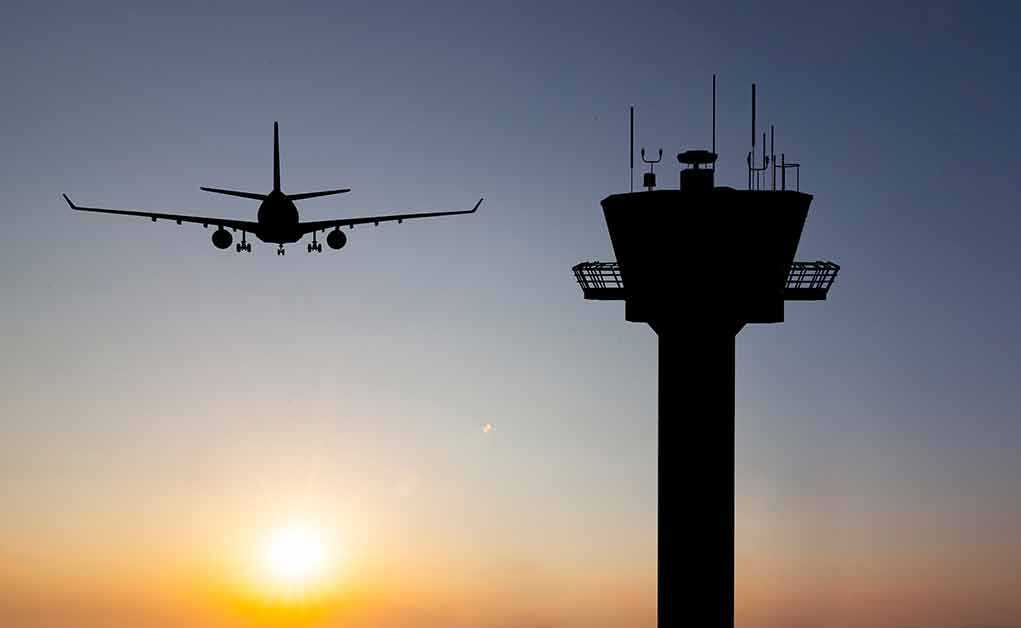
The Federal Aviation Administration halted all departing flights nationwide after communications problems hit air traffic control centers, citing extraordinary safety concerns.
Story Snapshot
- The Federal Aviation Administration (FAA) ordered a nationwide ground stop on departing flights for safety.
- Officials tied the order to communications issues at air traffic control centers.
- Flights already in the air were allowed to continue; international arrivals were handled case by case.
- An earlier equipment outage at Chicago preceded the national halt.
Nationwide Ground Stop Ordered Over Communications Failures
The Federal Aviation Administration stopped all departing flights across the United States after reporting communications problems that affected air traffic control centers. Officials described “extraordinary circumstances” and said safety drove the decision. The halt applied to departures nationwide while planes already airborne were allowed to land. The agency managed inbound international flights case by case to avoid crowding limited gates and taxiways, a standard traffic safety step during system disruptions.
Financial networks, family plans, and business travel felt the shock as the order paused the morning rush. The Federal Aviation Administration stated the issue involved communications at multiple Air Route Traffic Control Centers, which guide traffic between airports at high altitude. Transportation Secretary Sean Duffy said technicians were working the problem and confirmed the broad scope across control centers. The department framed the move as a necessary pause to prevent cascading risks in busy skies.
How The Order Worked And Why Safety Came First
The Federal Aviation Administration targeted departures because controllers could not safely start more flights without reliable communications. Aircraft already airborne had known routes and could land under existing instructions. Departures add new complexity and conflict points, which require stable voice and data links. When that stability breaks, national regulators often slow the system to keep separation standards and prevent runway gridlock at major hubs. That is why international arrivals received tailored handling rather than a blanket diversion.
Safety professionals call this a predictable response to a central system problem. In 2023, a failure in the Notice to Air Missions system led to a national pause on departures until the core tool came back online. The Government Accountability Office later described that step as the first nationwide halt since the September 11, 2001 attacks, underscoring how rare these actions are and why they carry weight for safety and public confidence.
Chicago Outage And The Visible Airport Impact
Before the national stop, the Federal Aviation Administration issued a ground stop at Chicago O’Hare and Midway, attributing it to an equipment outage. That local action previewed the broader move and showed how a single metro area can feel the effects first. With arrivals flowing and departures paused, airports risk running out of gates and ramp space, which can compound delays and drive cancellations if not managed promptly and clearly.
Airlines and crews scrambled to resequence flights once the pause lifted. Schedules do not snap back, because planes and crews end up in the wrong places. The Detroit News noted that officials tied the nationwide step to a communications issue affecting multiple centers, which aligns with how traffic managers protect separation and sequencing during uncertain conditions. The Federal Aviation Administration’s phased restart aims to reset the flow and reduce the chance of mid-route changes that can create new risks.
What We Know, What We Do Not, And Why It Matters
Officials have not detailed the precise technical cause. Reports did not clarify whether it was a radio frequency problem, controller-to-aircraft voice link, data network, or another system failure. SecurityWeek reported that authorities had not identified the trigger and had not ruled in or out a cyber issue at the time, so the exact mechanism remains under review. The established facts are clear: the Federal Aviation Administration grounded departing flights nationwide and tied the move to communications problems for safety.
For travelers and taxpayers, two takeaways stand out. First, safety must always win when core systems falter. The risk from unclear instructions in crowded skies is not acceptable. Second, transparency helps the public trust rare national actions. Once technicians finish the review, the Federal Aviation Administration should release a facility-level timeline, the safety rationale, and the restart plan. Clear records will show why the pause was needed and how to avoid a repeat.
Looking Ahead: Resilience, Accountability, And Limited Government
Congress and the Department of Transportation should focus on resilient systems, clear lines of authority, and fast recovery. The Federal Aviation Administration can harden communications, add more tested backups, and drill national playbooks with airlines. Lawmakers should demand results, not new bloated programs that burn money without fixing weak points. Taxpayers deserve targeted upgrades that keep planes moving and families on schedule, while preserving the limited-government principle of doing the job right the first time.
For families, small businesses, and veterans heading to events or medical care, the cost of system failure is real. Every hour on the ramp is an hour lost with loved ones or customers. The Federal Aviation Administration took a tough but standard safety step. Now the task is simple: show the facts, fix the fault, and strengthen the backbone of American air travel without feeding wasteful bureaucracy. That is how we protect safety, liberty, and the nation’s mobility.
Sources:
washingtontimes.com, edition.cnn.com, cbs58.com, cp24.com, wsvn.com, 6abc.com