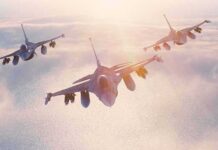


Saudi Arabia signed a defense pact with Syria and brought in Syrian military advisers as Iran-backed Houthis target Riyadh with missiles and drones.
Story Highlights
- Saudi Arabia and Syria signed a defense deal covering training and advice.
- Syrian personnel arrived in Saudi Arabia for military advice and training, sources said.
- Reports say Damascus is weighing a larger troop role, while Syria publicly denies a Yemen deployment.
- Exact troop numbers and any role inside Yemen remain unconfirmed and disputed.
Saudi-Syrian Defense Pact Formalizes Military Ties
Saudi officials hosted Syrian leaders in Riyadh on November 4, where both sides signed a defense cooperation agreement that covers training, military advice, capability building, consultations, and sharing expertise. The agreement set a legal and political frame for joint work after years of strained ties. The deal did not publicly authorize combat operations in Yemen. It focused on skills, rebuilding forces, and structured coordination, leaving room for future steps that either side may consider later.
Syrian and Yemeni officials have given mixed statements about next moves. The New York Times reported that Syrian and Yemeni officials with direct knowledge said Damascus was weighing whether to send thousands of troops to Saudi Arabia and Yemen to help guard the border against Houthi incursions. That reported option goes well beyond training and would mark a new phase in the Yemen conflict. But any such move would carry political and military risks for all sides and is not confirmed.
Advisers in Saudi Arabia as Houthi Threat Persists
Reuters reported that Syrian military personnel have already arrived in Saudi Arabia for advice and training in recent weeks, citing two Syrian military sources and a senior United States official. Another report, summarized by Al Jazeera, said Syrian officials acknowledged advisers in the kingdom and expected 600 special forces to arrive for training, expertise exchange, and consultations. These accounts show active cooperation on Saudi soil. They do not prove any Syrian combat role inside Yemen or any cross-border deployment.
Saudi leaders face steady Houthi attacks using missiles and drones that target deep inside the kingdom. Those strikes test Saudi defenses, strain commerce, and risk civilian areas. Riyadh has long sought partners to harden air defense, secure borders, and improve training. Syrian units bring years of combat experience against insurgents and militias. That field knowledge may help Saudi forces refine tactics, harden sites, and counter low-cost, long-range threats more effectively while limiting outside boots on the ground.
Damascus Denies Yemen Deployment, Numbers Remain Unclear
Syrian Foreign Minister Asaad Hassan al-Shaibani said Syria had not deployed forces to Yemen and had no plans to do so in the near future. He said the agreement with Saudi Arabia focuses on rebuilding Syria’s armed forces and that any foreign deployment would be announced publicly, not done in secret. A Syrian diplomatic source echoed that position through the state news agency, saying current cooperation covers training, capability building, and advisory work, not combat in Yemen.
🇸🇾🇾🇪🇸🇦 Syria could send THOUSANDS of troops to help Saudi Arabia fight the Houthis in Yemen.
According to the New York Times, Syrian military teams have already visited Saudi Arabia and Yemen to scout positions and coordinate with local commanders.
The proposed mission would… pic.twitter.com/QZqEpwRtpo
— Mario Nawfal (@MarioNawfal) November 10, 2026
Reports disagree on numbers and timing. Some accounts describe scores of Syrians in Saudi Arabia, while others mention hundreds present and 600 more expected, and one report discussed thousands under review for border duty. None provide a confirmed roster, unit list, or public orders. Saudi Arabia has not publicly confirmed any Syrian combat deployment. Based on current reporting, the strongest verified facts show advisers in Saudi Arabia and a signed defense pact, not Syrian combat in Yemen.
Why This Matters to American Readers
Iran-backed Houthis keep hitting Saudi targets, which threaten energy markets that drive prices here at home. A stronger Saudi defense posture can reduce pressure on global oil flows, which helps American families. The Trump administration seeks to contain Iran’s proxies while avoiding new large wars. Training and advice inside Saudi Arabia fit that goal better than new foreign combat missions. Clear roles, strong borders, and shared intelligence can check terror tactics without endless deployments.
What to Watch Next
Watch for any official Saudi statement on scope, locations, and mission rules. Look for verified movement of the reported 600-person Syrian special forces element and any visible drills at Saudi bases. Monitor whether Syrian personnel remain trainers only or shift toward border security tasks. Keep an eye on Houthi launch rates and strike reach. If attacks slow, that may signal better defenses. If attacks grow, pressure for a larger response could rise, and with it the risk of mission creep.
Bottom Line for Conservatives
The facts show a signed defense pact and Syrian advisers in Saudi Arabia. Syria denies a Yemen deployment, and no public evidence proves combat operations. Strong borders, clear missions, and no blank checks align with American interests. The focus should stay on stopping Iran’s proxies, keeping energy stable, and ensuring any partnership serves security without dragging friends or the United States into open-ended fights. That is the common-sense path that protects our wallets and our values.
Sources:
thegatewaypundit.com, reuters.com, aljazeera.com, nytimes.com, longwarjournal.org, straitstimes.com