

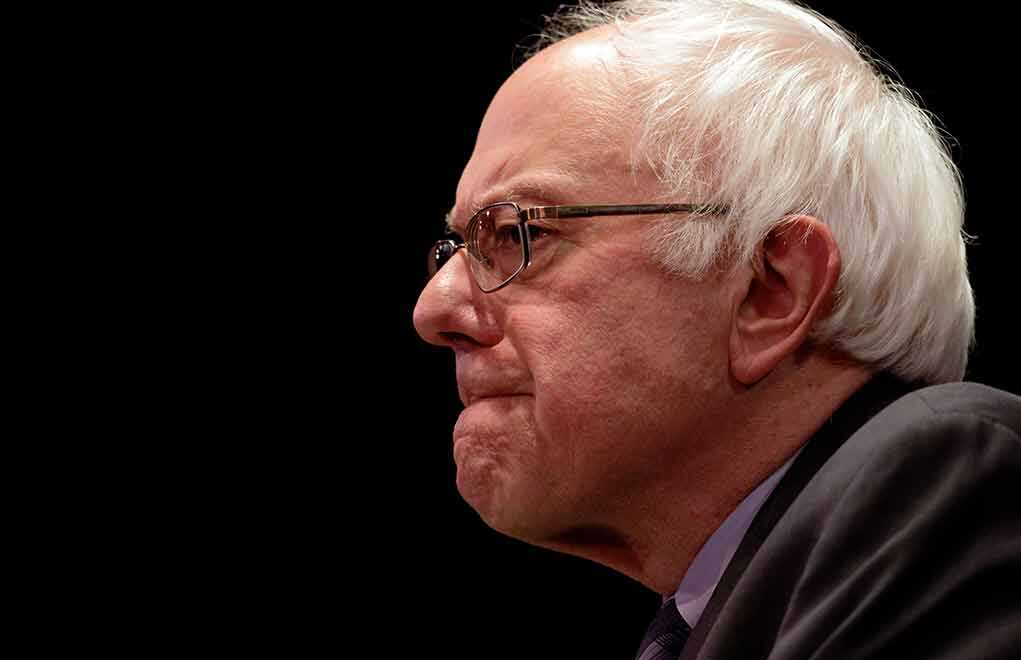
Bernie Sanders publicly rejected Chuck Schumer’s bid to stay Democratic Senate leader, exposing a deep rift at the top of the left.
Story Highlights
- Sanders said he will not support Schumer and called for leadership change.
- Sanders pushed for a real contest, not an uncontested caucus vote.
- Sen. Elissa Slotkin and several senators-elect declined to endorse Schumer.
- Reports named Chris Van Hollen as a potential challenger, still weighing a run.
Sanders Declares Open Opposition To Schumer’s Leadership
Senator Bernie Sanders said on November 10, 2026, that he will not support Senator Chuck Schumer to stay as the Democrats’ Senate leader. Sanders praised Schumer’s work ethic but said the party needs change now. His on-camera line was clear: he will not back Schumer’s reelection as leader. Sanders linked his stance to a demand for new direction, not to personal dislike. This public break turns private grumbling into a measurable leadership test.
Sanders also urged an actual leadership contest rather than a quick, insider handoff. When asked if he would hold his position if Schumer faced no rival, Sanders said he did not think Schumer would run unopposed. He called for open debate and a vigorous process. That signals a push to make Democrats defend their direction in full daylight, not in a closed room with a rubber stamp vote.
Dissent Grows As Allies And Newcomers Hold Back Support
Reporting showed Sanders was not alone. Senator Elissa Slotkin said she would not back Schumer either, adding weight from a sitting member. Several Democratic senators-elect also avoided endorsing Schumer. Names included Abdul El-Sayed and others who kept their powder dry. With incoming members signaling hesitation, the next caucus meeting could bring a real choice, not only a formality. That matters because new members often want a say in the team’s future.
Coverage pointed to Senator Chris Van Hollen as a possible alternative. Abdul El-Sayed praised Van Hollen as a strong option, while Van Hollen said he was still listening and considering. A declared challenger would give shape to the debate that Sanders wants. But without a formal entry, the effort remains about change in principle more than a set platform. That keeps pressure on Schumer while leaving the final matchup unclear.
How Leadership Elections Work Behind Closed Doors
Senate party leaders are picked by their party conferences, not by a public vote. These elections are usually held by secret ballot and require only a simple majority to win. That means public statements show energy, but they do not reveal final tallies. Members can talk one way and vote another. The structure also favors the incumbent, who benefits from ties, fundraising, and committee influence inside the caucus.
Scholars note that leadership challenges are uncommon and often fail, but they can expose real divides and shape later change. Even if Schumer survives, this revolt highlights tension over strategy and direction. It also spotlights how insular caucus rules can shield big choices from public view. For voters who want transparency, secret ballots and private deals feel like the same old Washington game that fails families and small businesses.
Why This Matters For Conservatives Watching The Other Side
Democratic infighting over leadership shows strain from years of costly agendas. Sanders’s push for change comes after policies that fueled higher prices, energy pain, and border chaos. Party leaders drove big spending and culture fights that turned off working families. Now the left is arguing over who should steer next. The dispute will shape how hard Democrats resist President Trump’s plans to cut spending, secure the border, and restore energy strength. Those stakes touch every kitchen table.
🚨 Bernie Sanders Refuses to Back Chuck Schumer for Senate Majority Leader, Setting Up Democratic Leadership Showdown
🔴 Sanders Breaks With Schumer: Sen. Bernie Sanders announced Tuesday that he will not support Sen. Chuck Schumer's bid to become Senate majority leader when…
— Washington Report (@Washington_Rep) November 11, 2026
Republicans should watch the whip count and the clock. If a real challenger steps in, committee priorities and floor tactics could shift. A weakened Schumer still in charge could struggle to hold his side together. A new leader could try to rebrand while keeping the same policies. Either way, Sanders’s move forces Democrats to pick a lane. For Americans who want secure borders, lower costs, and respect for the Constitution, that choice will show what kind of fight is coming.
Sources:
youtube.com, nbcnews.com, bloomberg.com, newrepublic.com, the-express.com, washingtontimes.com, themirror.com