

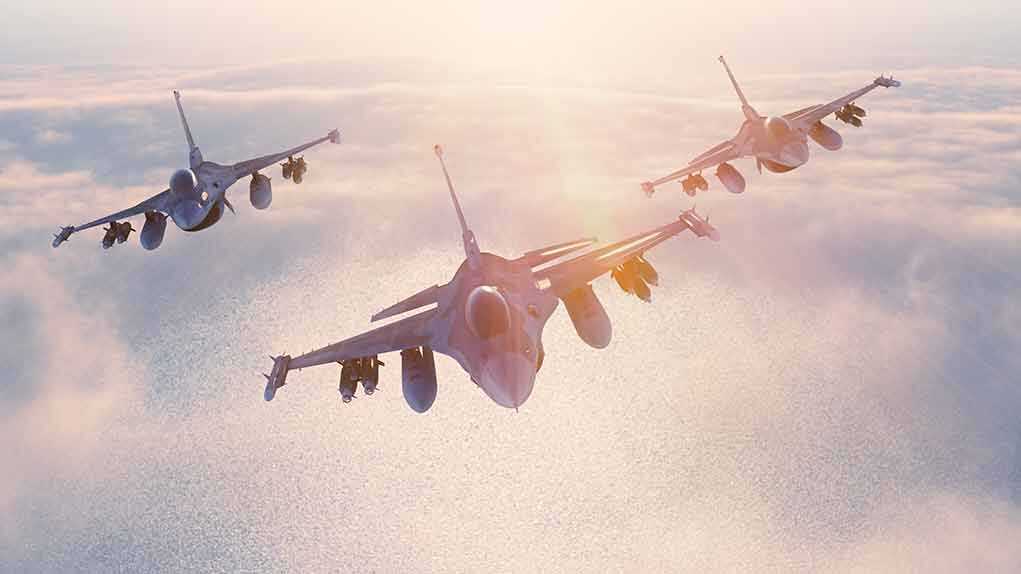
European talk of negotiating with Moscow while delaying real defense fixes echoes the appeasement errors that led to world war, historians warn.
Story Highlights
- Scholars link today’s concessions-first mindset to the failed Munich playbook of 1938.
- Analysts say “systemic appeasement” creates a cycle that erodes deterrence and alliance trust.
- European defense spending is up, but gaps in readiness and manpower persist.
- NATO reports sharp spending gains, yet warns capability shortfalls remain a risk.
Why Appeasement Analogies Are Back in Europe’s Debate
Historians and security analysts are again using the “Munich” lens to judge Europe’s choices on Russia. They point to a clear lesson: appeasement buys time but at a rising cost. A detailed study of interwar policy shows how Britain and France prioritized calm over commitments in 1938, leaving Czechoslovakia exposed through the Munich Agreement. Contemporary work argues the same habit can reappear today when leaders downplay threats and hope talks alone will change an aggressor’s aims.
Research on “systemic appeasement” describes a repeating pattern. Leaders sense danger, fear wider war, show empathy, and then grant concessions to cool tensions. The process weakens confidence among allies, invites tests, and strains deterrence over time. Analysts warn that this cycle is less about any single meeting and more about steady signals of softness. It is cumulative doubt—about will, readiness, and follow-through—that invites miscalculation.
What NATO and Europe Are Fixing—and What Still Lags
Officials say Europe has started to reverse years of underinvestment. The North Atlantic Treaty Organization (NATO) reported a near one-fifth jump in allied defense spending in real terms in 2024 compared to 2023, reflecting a push to restore deterrence across land, sea, air, cyber, and space. United States congressional research notes that Russia’s war in Ukraine forced allies to speed plans and shift forces to the eastern flank, renewing focus on the alliance’s two percent of gross domestic product goal.
Spending alone is not enough. A major German outlet summarized findings that Europe still lacks troops and must fix stockpiles, training, and industry to sustain a fight, not just start one. That view matches wider analysis: budgets are rising, but gaps in ammunition production, air defense, logistics, and rapid reinforcement remain. If those gaps persist, leaders risk sending mixed signals—loud talk, thin capability—which can look like appeasement with better branding.
Lessons From the 1930s Without the Myths
Serious historians caution against lazy one-to-one Hitler analogies. The point is not to clone 1938, but to remember which behaviors failed. A respected account of interwar choices shows how burden shifting, weak promises, and delayed force buildup helped turn a regional crisis into a general war. Another study ties early Western leniency toward Russia to a pattern that also marked the “Phony War” after 1939—hesitation that signaled room for risk. The shared thread is the cost of mixed deterrence.
Critics of the Munich frame argue today’s talks aim to end a war, not prevent one, and that Russia’s power differs from 1938 Germany. That point adds context but does not erase the core warning: concessions without strength invite more demands. Policy thinkers note the “Munich” reference works best as a strategic filter, not a prophecy. It reminds leaders to align words, weapons, industry, and timelines—so diplomacy rides on power, not hope.
What This Means for Americans Who Value Peace Through Strength
President Trump has pushed allies to spend more and move faster. That pressure matches the record: Europe’s budgets are up, and NATO acknowledges the pivot to harder defense planning. Yet numbers on slides will not stop missiles. Ammunition lines, air defenses, trained brigades, and logistics corridors do. If Europe lets negotiations outrun readiness, Moscow will read that gap as space to probe. That is how deterrence frays and how costs shift to American taxpayers and troops.
Russia is trying to turn negotiations over ending its invasion of Ukraine into negotiations over how Europe may defend itself.
A source in Russia’s delegation told Reuters that a settlement in Ukraine was subordinate to a wider objective, creating a security framework for the… pic.twitter.com/7GHUA7cWhA
— GMan | GMan’s Chronicle (@FAB87F) November 10, 2026
Common sense rules apply. Set clear red lines, back them with real forces, and keep promises. Fix stockpiles and air defenses now. Tie any talks to verifiable steps and snapback penalties. Do not trade away leverage for short-term quiet. The 1930s teach what happens when free nations dodge hard choices. Build strength first, then bargain from it. That is not warmongering. That is how you keep our sons and daughters out of a wider war and protect the peace they defend.
Sources:
youtube.com, eprints.lib.hokudai.ac.jp, rucforsk.ruc.dk, securityconference.org, jurist.org, politicalviolenceataglance.org, nato.int