

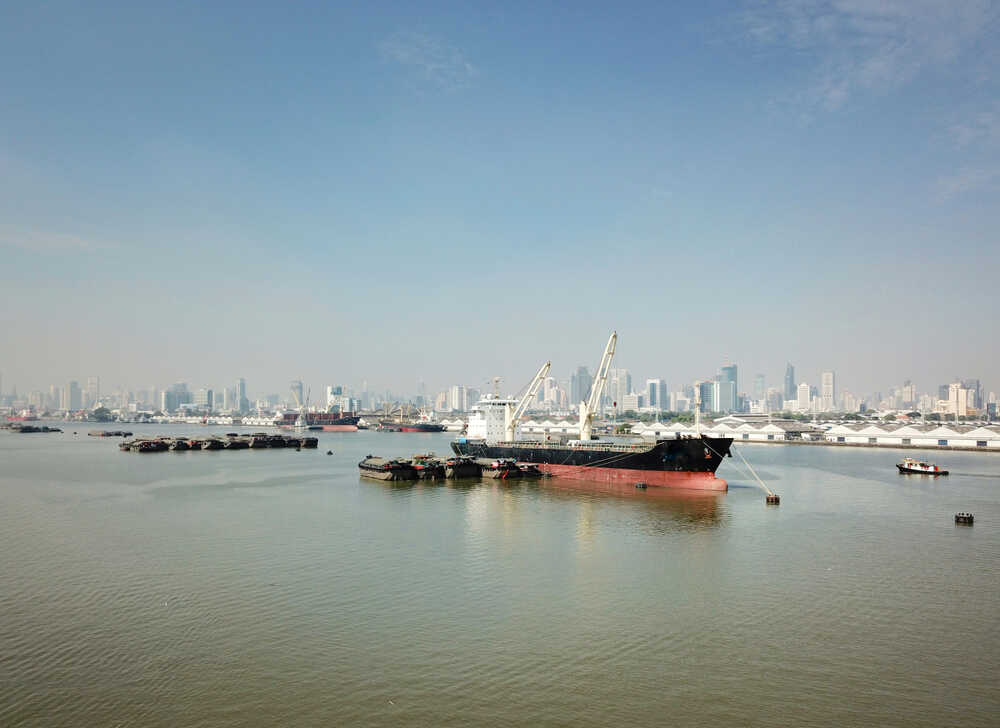
Iran’s push to oversee the Strait of Hormuz may give Tehran leverage, but it also raises a fresh fight over free shipping and basic maritime law.
Quick Take
- Iran says it will monitor traffic through the Strait of Hormuz and keep the waterway open.
- Iranian officials say they are working with Oman on a protocol for safe passage and services for ships.
- Reports also say Tehran has discussed tolls, permits, and tighter control over transit.
- Legal experts and U.S. officials say the strait is an international route that cannot be blocked at will.
Iran Moves to Shape Traffic, Not Just Threaten It
Iran says it wants to oversee transit through the Strait of Hormuz without shutting it down. Deputy Foreign Minister Kazem Gharibabadi said Tehran is drafting a protocol with Oman to monitor traffic and improve safety for ships. He also said the plan would not mean limits on passage. That is the public message, but it comes after weeks of Iranian claims about tolls and tighter control over the route [1].
That message matters because the strait is not a side issue. It is one of the world’s most important shipping lanes, and any change in how it is run can hit global energy prices fast. Reuters-style reporting and other recent coverage say Iran has already moved beyond simple threats and has tried to create a managed system for who can pass, when they can pass, and under what terms [3][8].
The Legal Fight Is the Real Battlefield
The core dispute is simple. Iran acts as if it has the right to supervise the strait. The United Nations Convention on the Law of the Sea says ships in international straits enjoy transit passage, which “shall not be impeded,” and that there shall be no suspension of transit passage [18]. That legal rule is why the United States and many maritime experts reject any claim that Tehran can impose a selective toll booth on a major global route.
Some analysts say Iran is trying to use domestic law and wartime claims to justify a narrower form of control. A BBC report quoted an Iranian legislator saying the armed forces would enforce a law tied to passage rights, and other coverage says Tehran may seek fees through an Iranian-led framework [4][2]. But legal analysts also note that the Strait of Hormuz sits within a wider international system that limits what a coastal state can do, even during conflict [15][16].
What Tehran Gains, and Why Washington Pushes Back
Iran has a clear motive: leverage. Control over the strait gives Tehran a way to pressure rivals, raise costs for shipping firms, and turn maritime access into a bargaining chip. A U.S. intelligence assessment said Iran now has the ability to block access at its discretion, while other reports say shipping lanes have already been disrupted and some vessels were cleared while others were not [8][9][10]. That kind of selective access looks less like normal governance and more like coercion.
Washington and international maritime groups see the issue very differently. The United States says Iran has no legal authority to control the strait, and the International Maritime Organisation has said no country has a legal right to block shipping in straits used for international transit [12][6]. That puts Iran in a dangerous position: it may be able to pressure the waterway in practice, but the law still cuts against any claim of full sovereign control [18][16].
The Bigger Stakes for Readers and Shippers
The fight over Hormuz is about more than legal theory. It affects fuel costs, insurance rates, and the security of global trade. If Iran can keep forcing vessels into a managed system, the costs spread far beyond the Gulf. That helps explain why conservative voters, energy consumers, and shipping companies all watch this story closely. A chokepoint that carries a huge share of world oil should not become a private revenue stream for a hostile regime.
At the same time, the current reporting leaves some gaps. Iran says it will not restrict transit, but the practical details still matter: who sets the rules, who collects fees, and whether ships can pass freely without fear. Those are the facts that will decide whether this becomes a limited oversight plan or a full-blown challenge to open navigation [1][3][11].
Sources:
[1] YouTube – Iran will oversee reopening and operation of Strait of Hormuz, foreign …
[2] Web – The Strait of Hormuz as a Key Theater of War—The Legal Dimension
[3] Web – The Legal Regime of the Strait of Hormuz and Attacks Against Oil …
[4] Web – How International Law Restricts the Use of Military Force in Hormuz
[6] Web – #Iran is moving from military muscle to legal mandates. The Iranian …
[8] Web – Legal Dimensions of Iran’s Control over the Strait of Hormuz – JuWiss
[9] Web – Continuing Crisis in Strait of Hormuz: Why Iran’s Hold is Illegal and …
[10] Web – Iran’s Legal Strategy in Hormuz – Völkerrechtsblog
[11] YouTube – Iran Warns It Has Legal Right To Control Strait Of Hormuz
[12] Web – Iran creates new agency to control shipping in Strait of Hormuz while …
[15] Web – The Potential-Use Test and the Northwest Passage
[16] Web – [PDF] Freedom of Navigation: New Challenges – itlos
[18] Web – Chapter 3: Freedom of Navigation – Law of the Sea – Tufts University