

A wounded left‑wing prime minister in Britain just walked away, and global markets are quietly asking whether his replacement will double down on high spending and weak borders—or finally get serious about discipline.
Story Snapshot
- UK Prime Minister Keir Starmer has resigned as Labour leader but will stay on as caretaker until a successor is chosen, signaling an orderly transition instead of a sudden power vacuum.[1][2]
- Initial market reaction was muted, with the British pound only slightly weaker and stabilizing after the announcement, while government bond moves stayed contained.[3][15]
- Analysts say the real risk is not the resignation itself but whether the next Labour leader loosens fiscal rules, borrows more, and rattles bond markets already wary of high debt and inflation.[7][9][12][15]
- Global investors are watching to see if Britain repeats the chaos of prior “mini‑budget” disasters, a reminder of what happens when progressive tax‑and‑spend politics collide with market reality.[8][9]
Starmer’s Exit: Managed Hand‑Off, Not Sudden Coup
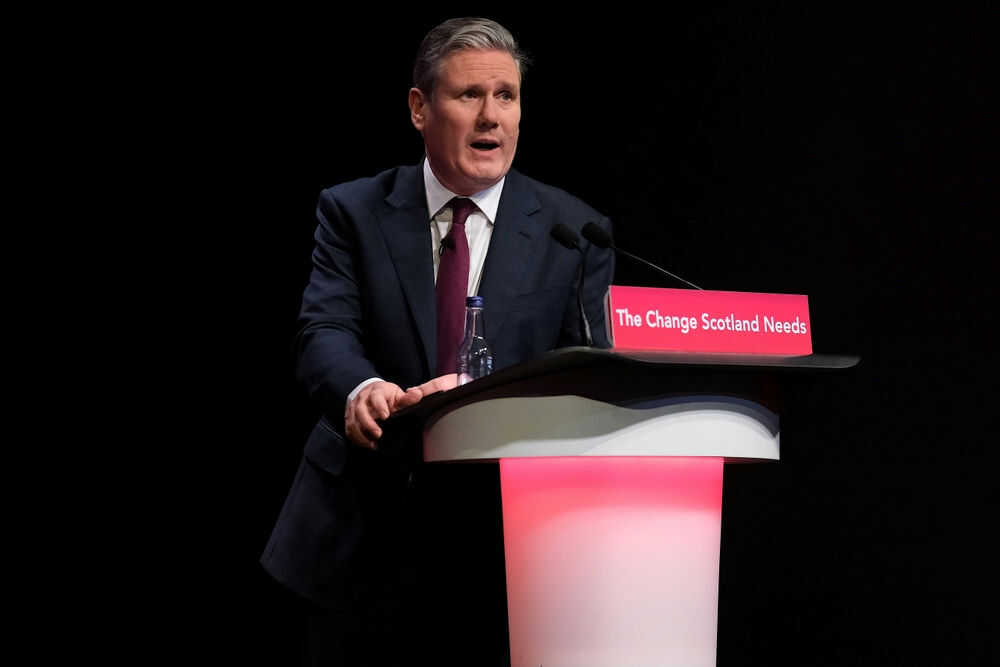
British voters just watched another left‑leaning prime minister buckle under political pressure. Keir Starmer announced he is stepping down as leader of the Labour Party after a sharp internal backlash and a key election setback, but he will stay on as prime minister until party members select a replacement.[1][2][5] His statement promised an “orderly handover of power” with a clear timetable for nominations and a new leader in place before Parliament returns from its summer break.[2] That structure matters to markets, because it signals continuity in day‑to‑day government while the party fights over its future.
Major outlets in the United States and Europe did not treat the announcement as the kind of shock that freezes trading screens. National Public Radio reported that Starmer would serve as a caretaker prime minister until Labour’s process produced a successor, stressing that the handover would take weeks, not hours.[1] That gives investors time to evaluate the next leader’s plans instead of reacting to a sudden vacuum. France 24 likewise described the transition as being managed by Labour’s national executive, again underscoring procedure over panic.[5] For seasoned traders, clear rules and timelines matter more than political theater.
Markets Hold Their Nerve, But Watch the Debt Meter
Despite breathless headlines about yet another British leader heading for the exit, early market signs looked more like a shrug than a stampede. The New York Times live blog noted that financial markets remained stable after the resignation news, with the British pound dipping only slightly before recovering from earlier lows.[3] Separate analysis of past leadership changes shows a similar pattern: when new prime ministers arrive, stock moves on day one are usually small, with the FTSE 250 index historically moving only a fraction of a percent on average.[4] In short, traders have seen Number 10 change hands before.
What has investors on edge is not who lives at 10 Downing Street, but whether the next Labour leader spends money the country does not have. LGT Wealth Management reports that bond markets are already reacting cautiously to the prospect of higher public spending, weaker fiscal discipline, and larger deficits under pressure from the party’s left.[7] They warn that even the perception of looser fiscal policy can push up yields on United Kingdom government bonds, especially when inflation and borrowing costs are still elevated.[7][12] That should sound familiar to Americans who watched our own debt and inflation spiral during years of unchecked spending.
Lessons From Britain’s Last Fiscal Meltdown
Conservatives will remember the last time British politicians tried to outspend reality. The Institute for Fiscal Studies describes how the 2022 “mini‑budget” under Liz Truss triggered a sharp, unusual market backlash because it signaled a direct clash between huge unfunded tax cuts and the Bank of England’s fight against inflation.[8] Gilt yields spiked, the pound sank, and Britain’s broader institutional credibility took a hit.[8] That episode still hangs over London. Today’s bond investors demand a premium to hold United Kingdom debt, and any hint that Labour’s next leader wants to reopen the spending taps could bring that pain rushing back.[7][9]
JPMorgan Asset Management now talks openly about a “political premium” embedded in British bond yields, driven by uncertainty over future policy.[9] Ten‑year gilt yields have climbed to around mid‑single digits, with longer‑dated bonds at levels not seen since the late 1990s, as markets price in both fiscal risk and stubborn inflation.[9] Analysts there warn that any efforts by the government to spend more could backfire if they trigger fresh market instability and slower growth.[9] For American readers, this is a live case study in what happens when global investors lose patience with big‑government promises.
Why This UK Drama Matters to American Conservatives
What is happening across the Atlantic is not just Westminster gossip; it is a warning label for every advanced country that has drifted toward bloated government and soft money. Dimensional Fund Advisors points out that over many decades, British stocks have marched higher no matter which party ruled, because companies adapt and foreign factors matter more than headlines.[8] But currency and bond markets are a different story: they react directly to domestic spending, growth, and debt. Coutts notes that changes in leadership tend to show up most clearly in the pound and in government bonds, where investors judge national discipline in real time.[10]
The pound held losses and UK gilts were steady after PM Starmer announced he will step down, as markets assessed whether a new Labour leadership could revive fiscal concerns. Dani Stoilova from BNP Paribas Markets 360 told Reuters that clarity is unlikely before the next budget pic.twitter.com/SuOl61KS0f
— Reuters Business (@ReutersBiz) June 22, 2026
For Americans tired of globalist lecturing and “woke” economic sermons, the United Kingdom’s experience carries a simple message. Markets can tolerate political noise, but they punish runaway borrowing, confused leadership, and contempt for hard numbers. Britain is learning again that there is no free lunch when debt is high and inflation still bites. As the next Labour leader sets out a platform, global investors will decide if this is just another left‑wing reshuffle—or the start of a deeper reckoning with fiscal reality that Washington should watch very closely.
Sources:
[1] YouTube – Market Talk: Will a new UK prime minister rattle markets? – Business
[2] Web – Keir Starmer announces resignation as UK prime minister – NPR
[3] YouTube – UK prime minister Keir Starmer announces resignation
[4] Web – U.K. Live Updates: Starmer Announces Resignation
[7] Web – Keir Starmer announces resignation, UK to get sixth PM in seven years
[8] Web – British Prime Minister Keir Starmer announces he will resign, setting …
[9] Web – Markets respond to shifting political outlook – LGT Wealth Management
[10] Web – UK outlook: why we need to do things differently – IFS
[12] Web – What impact can political changes have on UK investment returns?
[15] Web – Currency strategists say markets may be underestimating the fiscal …